Find Your Solution
In 3 minutes, you’ll know where to start ➤
%20.png)





Estimated Reading Time: 8 Minutes
It's one of the most common questions parents ask:
"Are they doing this on purpose?"
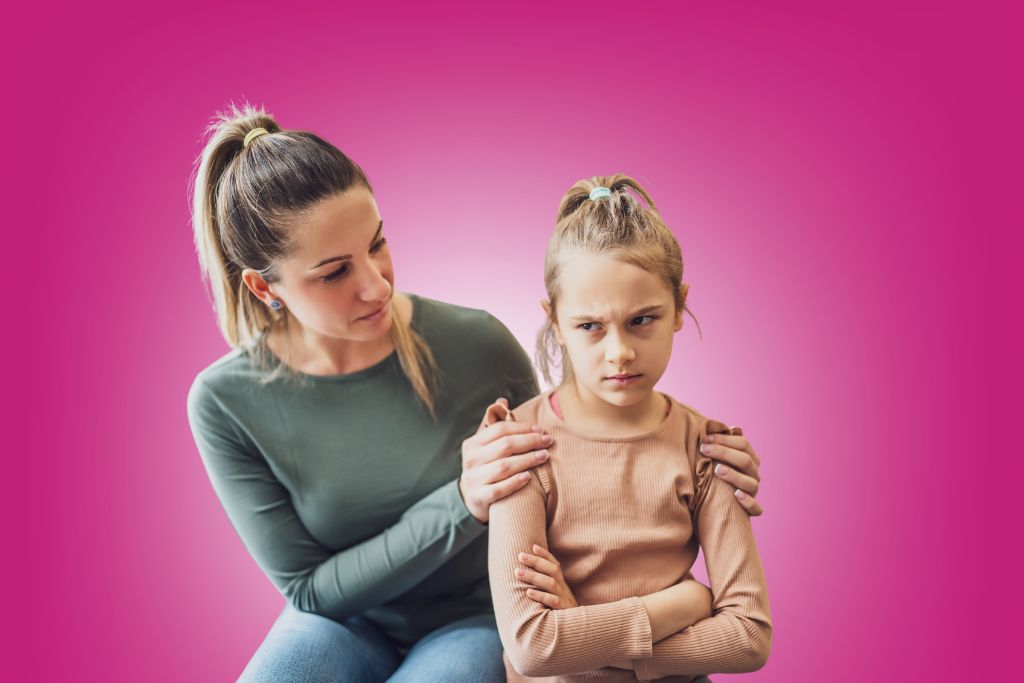
When children ignore directions, refuse to cooperate, forget responsibilities, melt down, shut down, or repeat the same behaviors over and over, it's easy to assume they're choosing to be difficult.
But most of the time, that's not what's happening.
Many children with ADHD, anxiety, OCD, depression, learning disabilities, executive functioning challenges, autism, or emotional dysregulation are struggling with skills—not motivation.
In this episode, we explore what's really driving challenging behavior, why punishment often fails, and the practical steps parents can take to create meaningful change.
Because understanding behavior changes everything.
In most cases, no.
Children generally want to succeed.
They want positive relationships.
They want to feel capable.
The problem is that many children lack the skills needed to meet expectations consistently.
When children struggle with:
their behavior often reflects those challenges.
What looks like laziness, defiance, or avoidance may actually be a child who doesn't know how to do what is being asked of them.
As I often say, behavior is communication.
The question isn't "Why won't they?"
The question is "What's getting in the way?"
One of the biggest predictors of success isn't the diagnosis itself.
It's the family system.
The family system includes:
Parents have tremendous influence over the environment children grow up in.
When families focus on learning, growth, regulation, and skill-building, children are more likely to make progress.
This doesn't mean parents cause the problem.
It means parents have tremendous power to influence positive change.
Real-Life Example
Two children with identical diagnoses can have very different outcomes depending on the support, consistency, and environment surrounding them.
Many parents rely heavily on punishment because they want behavior to change.
The problem is that punishment often addresses symptoms rather than causes.
Excessive punishment may lead to:
Punishment alone rarely teaches a child what to do differently.
Children need:
This doesn't mean there are no consequences.
It means consequences are only one small piece of behavior change.
Teaching is far more powerful than punishing.
Many parents assume children know exactly what is expected of them.
But that's often not true.
Children with ADHD, anxiety, depression, learning disabilities, executive functioning weaknesses, and other challenges frequently struggle to visualize the end result.
They may not understand:
This is especially true when executive functioning is involved.
Executive functioning skills help children:
When these skills are weak, children often appear unmotivated when they are actually overwhelmed.
Real-Life Example
A child may understand they need to clean their room but feel completely stuck because they cannot break the task into manageable steps.
When children become overwhelmed, their nervous systems shift into survival mode.
This is often called:
When activated, children may:
The brain becomes focused on protection rather than learning.
This is why reasoning with an activated child rarely works.
As I often say, calm the brain first, everything else follows.
Children need regulation before they can access learning and problem-solving.
Children co-regulate from the adults around them.
When parents become frustrated and reactive, children often become even more dysregulated.
Stay as calm as possible.
Your calm is the catalyst.
Don't try to fix everything at once.
Choose one behavior that creates the most disruption.
Ask yourself:
Focus on one thing.
Behavior change requires repetition.
Children need consistent reinforcement of:
The brain learns through repetition.
The goal isn't just reinforcing the final outcome.
It's reinforcing the small steps that lead to the outcome.
This is how real learning happens.
The Regulation Rescue Kit provides practical Regulation First Parenting™ tools that help reduce stress, improve emotional regulation, and create more peace at home.Become a Dysregulation Insider VIP and get your FREE kit: www.drroseann.com/newsletter
🗣️ “Most children aren't trying to give you a hard time. They're having a hard time.” — Dr. Roseann
When children struggle, it's easy to assume they're choosing difficult behavior.
But most of the time, there is much more happening beneath the surface.
The more we understand the brain, emotional regulation, executive functioning, and nervous system health, the better equipped we are to support lasting change.
Stop personalizing the behavior.
Start becoming a detective.
Focus on teaching skills.
And remember, your child isn't trying to make life difficult.
They're trying to figure it out too.
In most cases, challenging behavior reflects skill deficits, emotional dysregulation, anxiety, executive functioning challenges, or other underlying issues rather than intentional defiance.
Punishment may stop behavior temporarily but often fails to teach the skills children need to behave differently in the future.
Executive functioning includes planning, organization, impulse control, attention, problem-solving, and follow-through skills.
Children who struggle with anxiety, rejection sensitivity, shame, or emotional dysregulation may become overwhelmed by correction and enter a fight, flight, or freeze response.
Focus on regulation, clear expectations, teaching skills, identifying one behavior at a time, and consistent reinforcement over time.
Not sure where to start? Use the Solution Matcher to get personalized recommendations based on your child's emotional and behavioral needs. Start here: www.drroseann.com/help
Dr. Roseann Capanna-Hodge is a licensed therapist, certified school psychologist, and leading expert in emotional dysregulation in children. With over 30 years of experience, she helps parents understand the root causes of meltdowns, anxiety, ADHD, autism, learning differences, and challenging behavior through the lens of nervous system regulation. She is the creator of Regulation First Parenting™, host of the Dysregulated Kids Podcast, and author of The Dysregulated Kid.
Dr. Roseann Capanna-Hodge
Emotional Dysregulation in Children & Nervous System Expert
Regulation First Parenting™ | CALMS Protocol™
Host of the Dysregulated Kids Podcast (Top 1% Globally)
Author of The Dysregulated Kid