Find Your Solution
In 3 minutes, you’ll know where to start ➤
%20.png)




Estimated Reading Time: 6 minutes
If you’re walking on eggshells because your child melts down over small things or seems unpredictable, you’re not alone. Childhood’s misbehavior is not about laziness or defiance, it’s a dysregulated child signaling that their nervous system is overwhelmed. In this episode, I break down why behavior is communication, how to decode it, and simple strategies to calm the brain first so skills, connection, and learning can follow.
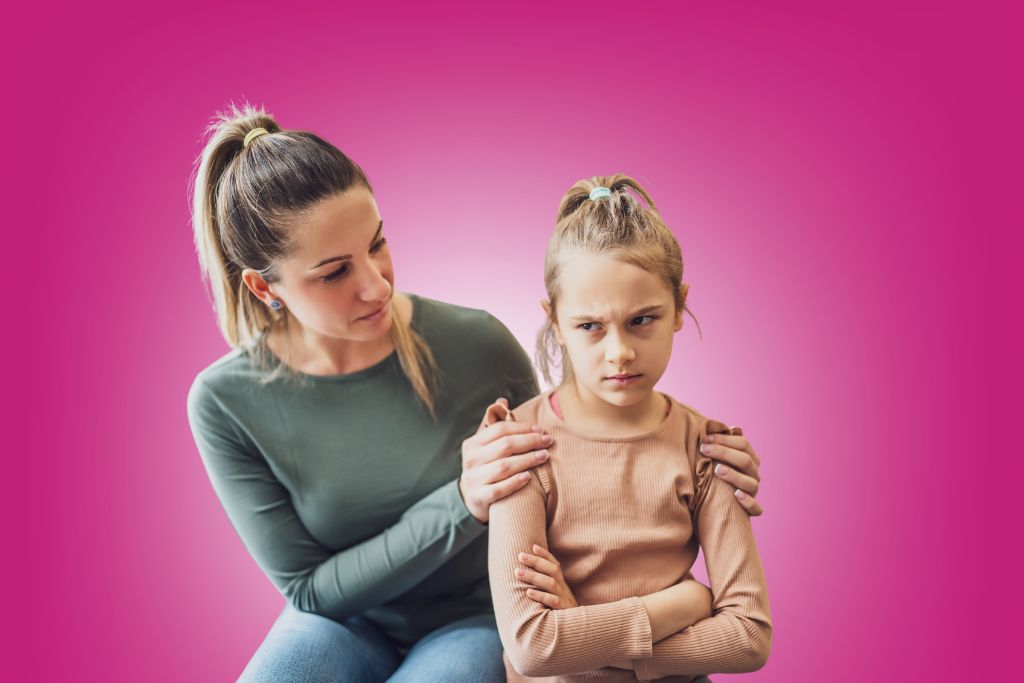
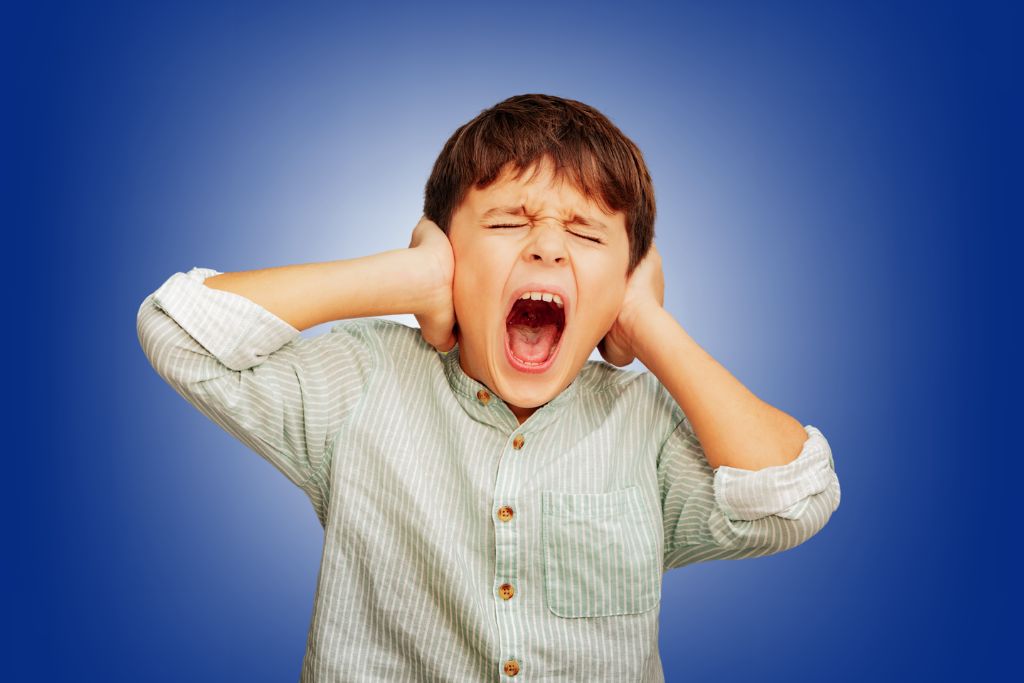
Even a small request, like putting on shoes or turning off a device, can feel impossible when a child’s nervous system is in survival mode. Their brain is signaling: “I’m overwhelmed!”
Try this:
Parent Story:
After school, a child screamed when asked to start homework. By pausing and refueling with a snack and five minutes of quiet play, they were able to begin calmly.
Every outburst, yelling, whining, or refusal is a form of communication. Often, the underlying drivers include emotional dysregulation in children, anxiety, or sensory overload. The key is to decode the “why” rather than focusing solely on the “what.”
Focus on:
If you’re tired of walking on eggshells or feeling like nothing works…
Get the FREE Regulation Rescue Kit and finally learn what to say and do in the heat of the moment.
Become a Dysregulation Insider VIP at www.drroseann.com/newsletter and take the first step to a calmer home.
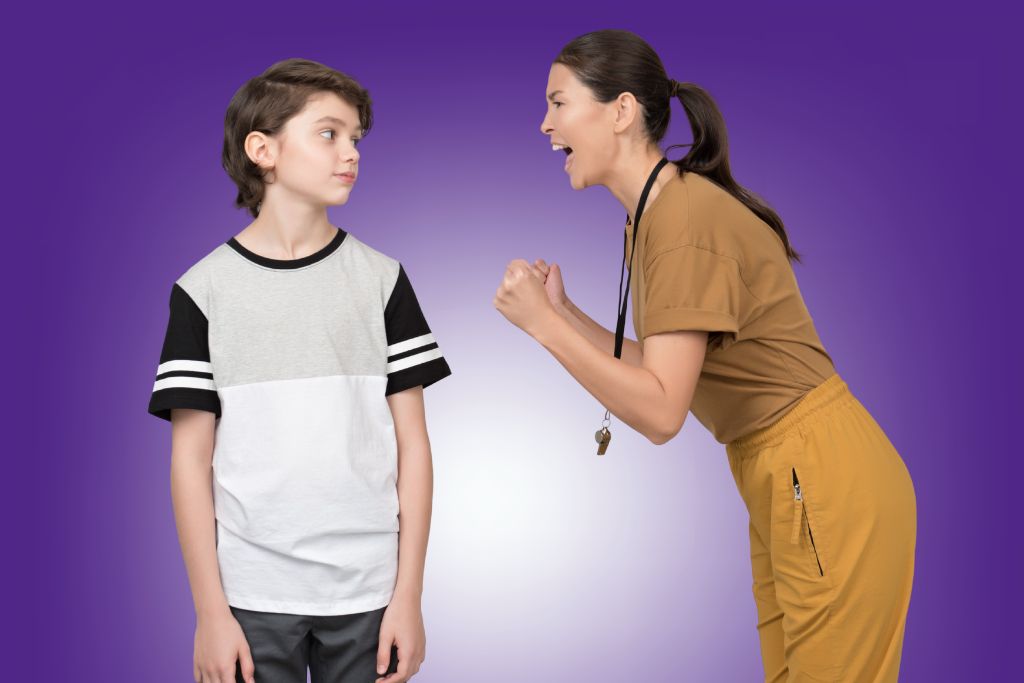
You cannot out-yell a dysregulated brain. Co-regulation is your most powerful tool.
Parent strategies:
Parent Story:
When a child screamed over lost Legos, sitting close, breathing slowly and guiding them through a calm reset allowed connection and cooperation to return within minutes.
Yes. Techniques like PEMF and mindful breathing support behavioral dysregulation by helping the brain self-regulate naturally—no medication required.
Tips for parents:
Every brain develops at its own pace. Anxiety, ADHD, or sensory differences can delay skills like focus, flexibility, and impulse control.
Support strategies:
Top interventions include:
These approaches work best when paired with predictable routines and parent emotional regulation.
Preparation and structure matter more than reaction. Implement:
Consistency helps your child anticipate expectations, reducing anxiety and explosive responses.
“Behavior is the language of children. When we calm ourselves first, we can finally hear what their behavior is trying to say.” — Dr. Roseann
Childhood’s misbehavior isn’t random—it’s your child’s brain signaling overwhelm. When you calm the brain first, connection and correction follow naturally. You’re not failing—your child is learning to regulate.
Next Steps:
Usually a dysregulated nervous system from stress, fatigue, or sensory overload—not defiance.
Observe patterns, stay calm, and look for unmet needs behind the outburst.
Yes. These tools teach the brain to self-regulate and calm emotional spikes.
No. Behavior is communication—the brain is telling you it needs help.
Co-regulate: slow breathing, soft voice, sensory or movement breaks. Wait for calm before guiding behavior.
Tired of not knowing what’s really going on with your child?The Solution Matcher gives you a personalized recommendation based on your child’s behavior—not just a label. It’s free, takes just a few minutes, and shows you the best next step.
Go to www.drroseann.com/help
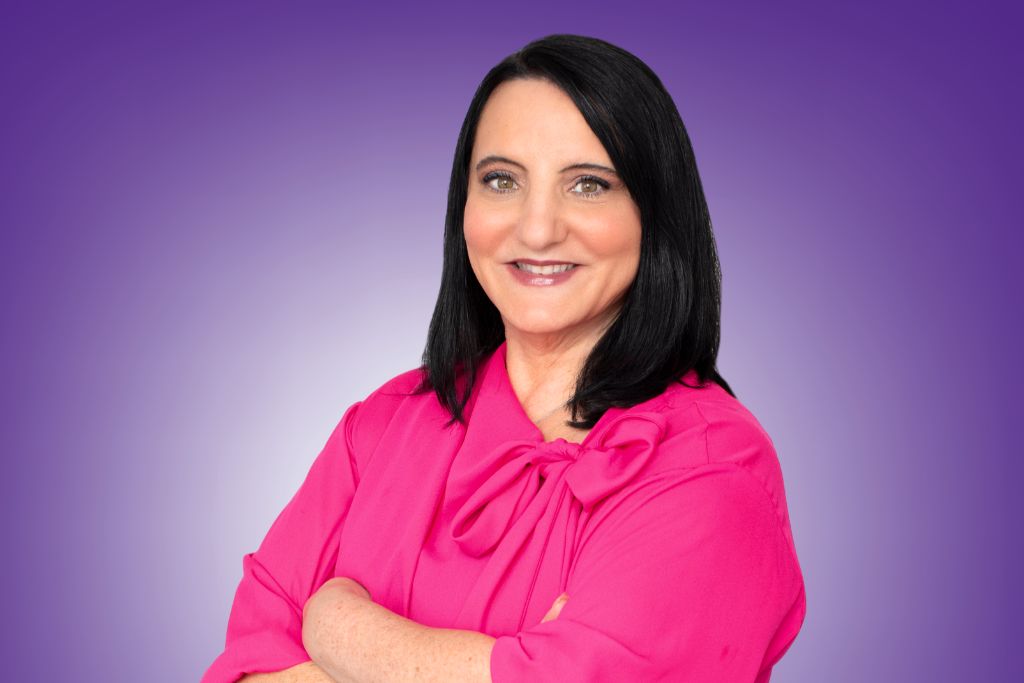
Dr. Roseann Capanna-Hodge is a licensed therapist, certified school psychologist, and leading expert in emotional dysregulation in children. With over 30 years of experience, she helps parents understand the root causes of meltdowns, anxiety, ADHD, and challenging behavior through the lens of nervous system regulation. Dr. Roseann teaches practical, science-backed strategies for co-regulation and how to calm a dysregulated child using her Regulation First Parenting™ approach. She is the host of the Dysregulated Kids Podcast and author of The Dysregulated Kid.
Dr. Roseann Capanna-Hodge
Emotional Dysregulation in Children & Nervous System Expert
Regulation First Parenting™ | CALMS Protocol™
Host of the Dysregulated Kids Podcast (Top 1% Globally)
Author of The Dysregulated Kid