Find Your Solution
In 3 minutes, you’ll know where to start ➤
%20.png)





Estimated reading time: 5 minutes
When your child is spiraling with worry, rituals, or endless “what if” questions, you may be asking yourself, is it OCD or anxiety? So many parents miss the signs of OCD because it looks so much like anxiety on the surface, especially when emotional dysregulation in children is involved. Getting the diagnosis right changes everything. Once you understand the difference between anxiety and OCD, you can stop reinforcing fears and start helping your child break free from intrusive thoughts.
In this episode, I walk you through why these two conditions get mixed up, the subtle signs parents often miss and what effective OCD treatment really looks like.
Many kids spend months—or years—in therapy with little progress, which is why understanding is it OCD or anxiety matters so much because the root issue isn’t anxiety at all. It’s OCD. The two overlap, but they aren’t the same. Anxiety is driven by realistic worries. OCD is driven by irrational, intrusive fears that feel catastrophic to the child.
Kids with OCD often:
Parent Story: A mom recently told me she felt like she kept “doing therapy wrong” because her child wasn’t improving. The truth? Her child didn’t have the right treatment. Once we identified OCD and shifted approaches, he finally began to heal.
This is all connected to nervous system regulation in children.
It’s so natural to want to reassure your fearful child. But with OCD, reassurance feeds the fear. Every time you answer a compulsive question—
➡️ You reinforce the intrusive thought
➡️ You strengthen the OCD cycle
This is why many parents feel like conversations around fear get bigger, not smaller. This is why traditional anxiety approaches often backfire with OCD.
Key reminders:
Imagine a child terrified that something bad will happen if they don’t repeat a question or avoid a topic. Their brain feels stuck in danger mode, and reassurance temporarily soothes, but ultimately strengthens the worry loop.
Want to stay calm when your child pushes every button? Become a Dysregulation Insider VIP and get the FREE Regulation Rescue Kit—your step-by-step guide to stop oppositional behaviors without yelling or giving in.
Go to www.drroseann.com/newsletter and grab your kit today.
A quick way to differentiate:
Look for these OCD clues:
Parent Story: A dad recently shared that his daughter quietly avoided bedtime because her intrusive thoughts were too terrifying to explain. Once she learned her thoughts were symptoms—not secrets—she finally felt safe opening up.
Neurofeedback, therapy, and calming the brain are wonderful supports—but they don’t stop intrusive thoughts by themselves. For OCD, the gold standard is Exposure and Response Prevention (ERP).
ERP helps kids:
Other supports that enhance ERP:
And yes—it’s gonna be OK. Kids improve. Families heal. You truly have nowhere to go but up.
🗣️ “Kids with OCD aren’t choosing these thoughts. Their brain is hijacked by fear—and once we stop feeding the cycle, everything changes.” — Dr. Roseann
Understanding the difference between anxiety and OCD is the first step toward real relief—for you and your child. When you stop reinforcing the fear cycle and start using the right tools, your child can finally reclaim their calm, confidence, and joy.
Look for intrusive thoughts, repetitive questions, secrecy, or fears that feel illogical.
They’re related but separate. Stress can intensify intrusive thoughts, making OCD symptoms more obvious.
Yes—answering fear-based questions strengthens the OCD loop.
Yes, and many do—but OCD requires specialized treatment.
Every child’s journey is different. That’s why cookie-cutter solutions don’t work.
Take the free Solution Matcher Quiz and get a customized path to support your child’s emotional and behavioral needs—no guessing, no fluff.
Start today at www.drroseann.com/help
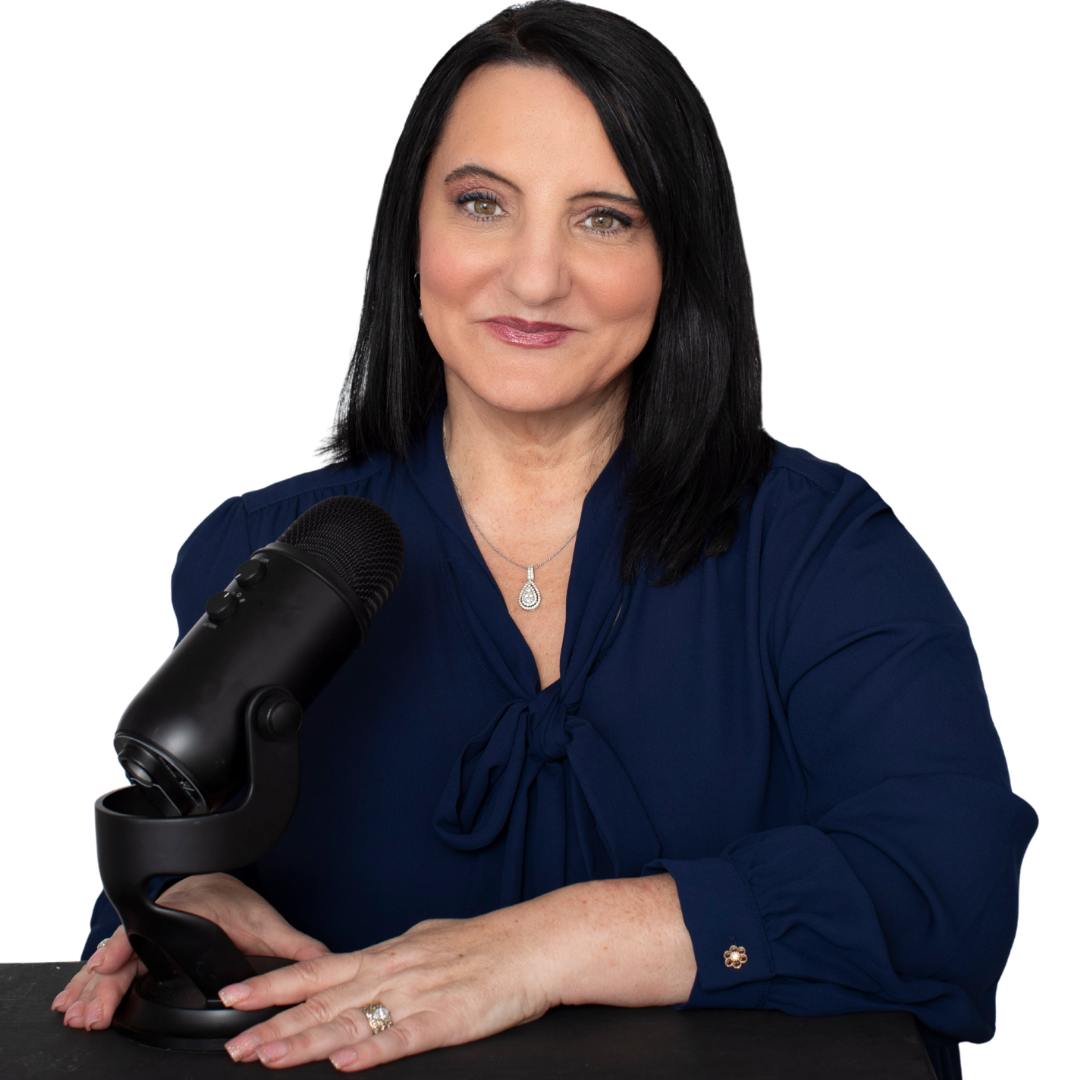
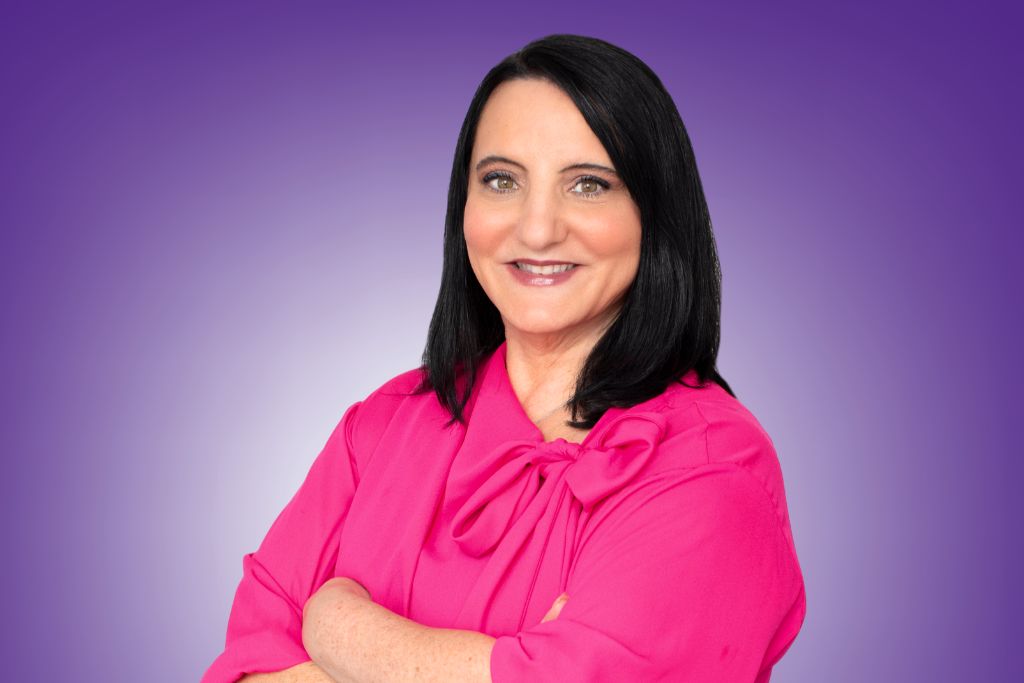
Dr. Roseann Capanna-Hodge is a licensed therapist, certified school psychologist, and leading expert in emotional dysregulation in children. With over 30 years of experience, she helps parents understand the root causes of meltdowns, anxiety, ADHD, and challenging behavior through the lens of nervous system regulation. Dr. Roseann teaches practical, science-backed strategies for co-regulation and how to calm a dysregulated child using her Regulation First Parenting™ approach. She is the host of the Dysregulated Kids Podcast and author of The Dysregulated Kid.
Dr. Roseann Capanna-Hodge
Emotional Dysregulation in Children & Nervous System Expert
Regulation First Parenting™ | CALMS Protocol™
Host of the Dysregulated Kids Podcast (Top 1% Globally)
Author of The Dysregulated Kid