Find Your Solution
In 3 minutes, you’ll know where to start ➤
%20.png)





Estimated Reading Time: 5 minutes
Vickie and Amanda explain that a 504 provides access while an IEP provides services. Both can help kids with ADHD, anxiety, dyslexia, or emotional challenges—but they serve different purposes.
A 504 is for:
An IEP is for:
Real-life example:
A child with ADHD may get extended time with a 504—but if they’re still falling behind academically or emotionally, they may need an IEP with targeted interventions.
Short answer: No. Parents are often surprised by this. A diagnosis is helpful, but eligibility requires more than a doctor’s note.
Schools look at:
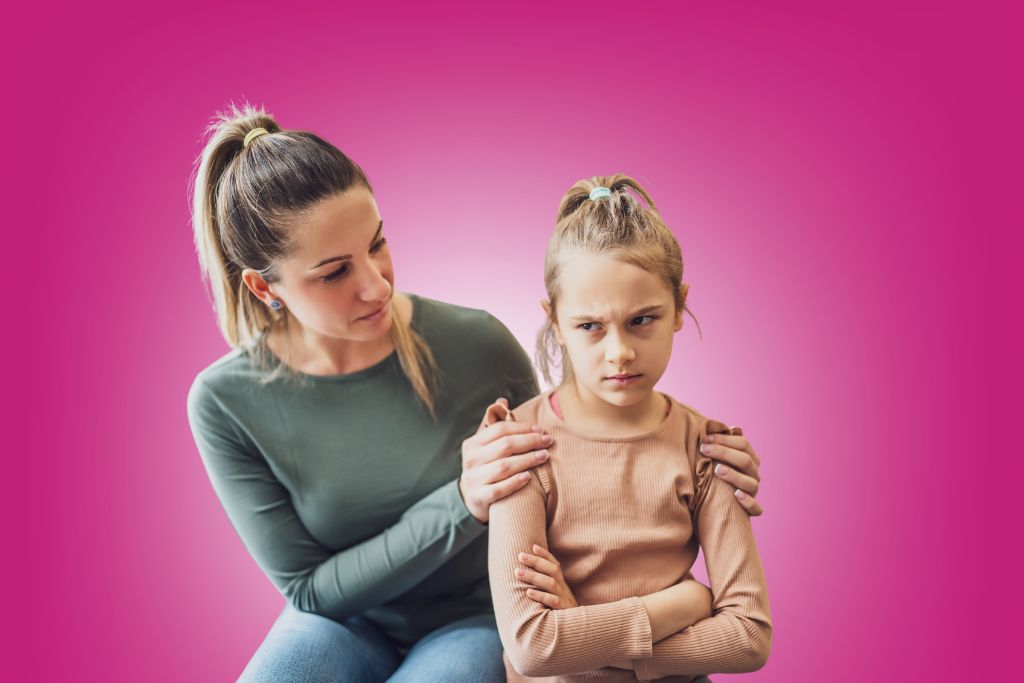
Behavior is communication. If your child is melting down after school, avoiding homework, or struggling to initiate tasks, those are clues that there is emotional dysregulation.
Because when emotions run high and staff turnover is constant, written communication protects your child—and your peace of mind.
Put in writing:
Think of it like keeping a “paper trail for the brain.” It helps ensure accountability and keeps your child’s needs front and center.
If your child is struggling academically, socially, emotionally, or behaviorally—and classroom strategies aren’t helping—it’s time for a formal assessment.
Under IDEA’s Child Find, schools must identify and evaluate students who may have disabilities. But parents often need to initiate the process.
Signs it’s time:
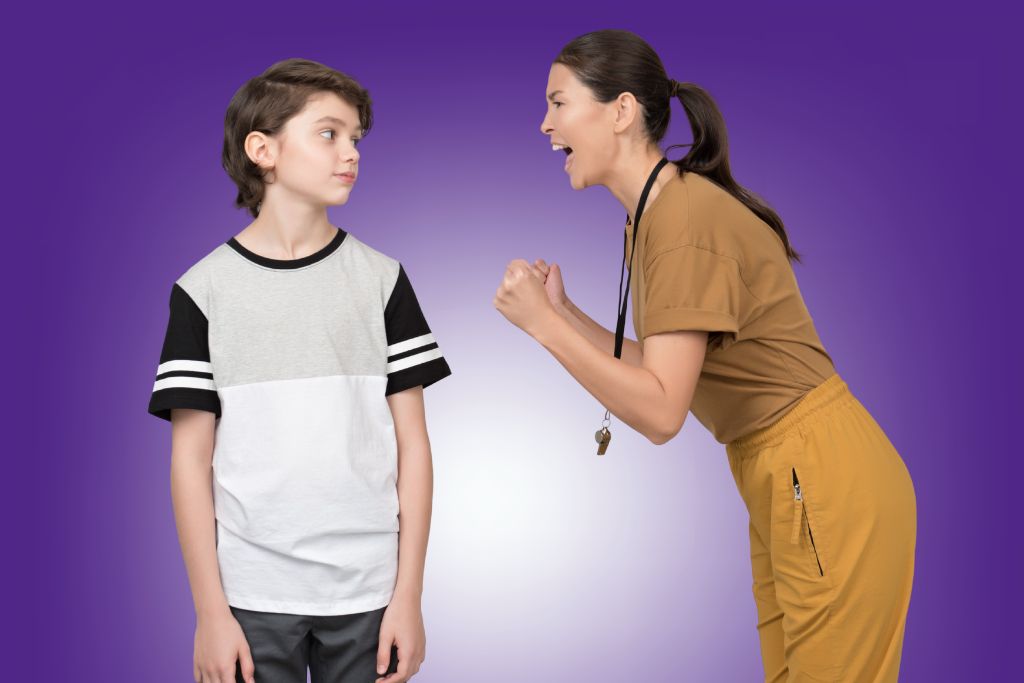
Yelling less and staying calm isn’t about being perfect—it’s about having the right tools.
Join the Dysregulation Insider VIP list and get your FREE Regulation Rescue Kit, designed to help you handle oppositional behaviors without losing it.
Download it now at www.drroseann.com/newsletter
🗣️ “You must be the CEO of your child’s overall health and wellness—because not everyone in a school understands ADHD, anxiety, or dysregulation.”
— Dr. Roseann
IEPs and 504s can feel overwhelming, but once you understand the differences—and your rights—you can advocate with confidence. Remember, it’s not bad parenting; it’s a dysregulated child's brain.
Yes. A 504 requires showing a substantial limitation. An IEP requires a disability and the need for special education services.
Usually an IEP replaces the need for a 504, because it already includes accommodations.
Timelines vary by state, but schools must act promptly under IDEA guidelines.
You can still request a formal assessment—in writing. Schools are legally required to respond.
Yes. A second set of ears helps you absorb information and stay grounded.
Next Step:
Not sure where to start? Take the guesswork out of helping your child.
Use our free Solution Matcher to get a personalized plan based on your child’s unique needs—whether it’s ADHD, anxiety, mood issues, or emotional dysregulation.
Start here: www.drroseann.com/help
If you want to learn more about Vickie and Amanda's Inclusive Education Project, you can check out their website through this link:https://www.inclusiveeducationproject.org/. They also have a weekly Q&A on their Instagram account (@inclusiveeducationproject) in case you have any inquiries.
Become Your Child’s Best Advocate!
Download The Ultimate Guide to School Accommodations
Have you been searching the internet for the right school accommodations for your kid and still don’t know what to ask for? Well, look no further. We have created this guide just for you…and it's FREE!
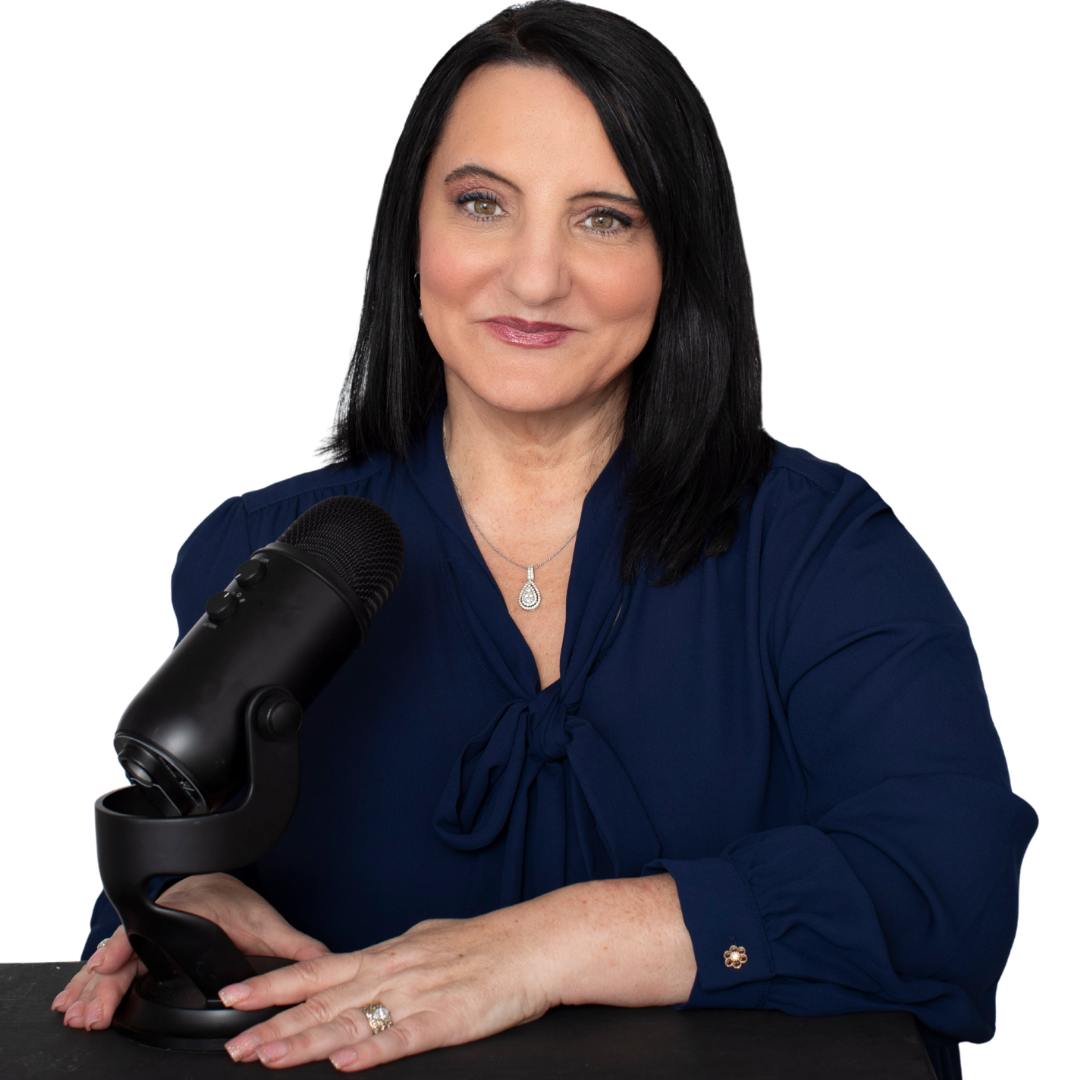
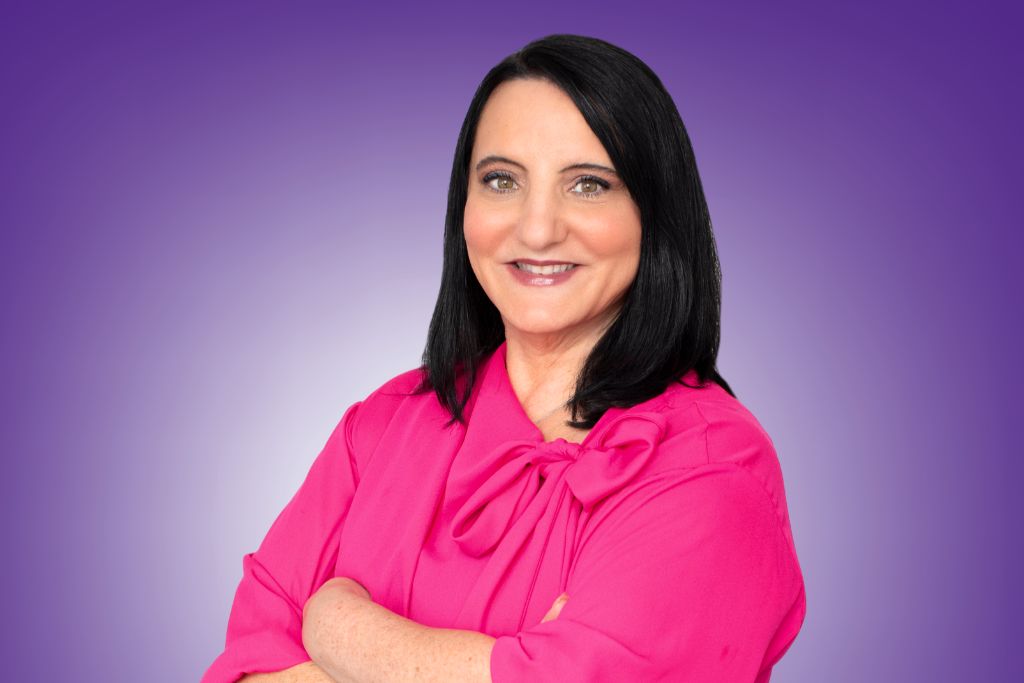
Dr. Roseann Capanna-Hodge is a licensed therapist, certified school psychologist, and leading expert in emotional dysregulation in children. With over 30 years of experience, she helps parents understand the root causes of meltdowns, anxiety, ADHD, and challenging behavior through the lens of nervous system regulation. Dr. Roseann teaches practical, science-backed strategies for co-regulation and how to calm a dysregulated child using her Regulation First Parenting™ approach. She is the host of the Dysregulated Kids Podcast and author of The Dysregulated Kid.
Dr. Roseann Capanna-Hodge
Emotional Dysregulation in Children & Nervous System Expert
Regulation First Parenting™ | CALMS Protocol™
Host of the Dysregulated Kids Podcast (Top 1% Globally)
Author of The Dysregulated Kid