Find Your Solution
In 3 minutes, you’ll know where to start ➤
%20.png)





Is your difficult child actually highly sensitive? If your child melts down over small things, it may not be behavior—it’s a dysregulated nervous system. Learn how to understand emotional dysregulation in children and how to calm a dysregulated child with real tools.
If you’ve ever wondered, “Is your difficult child actually highly sensitive?”—you’re not alone. When your child melts down over small things, it can feel confusing and exhausting. But what if those reactions aren’t defiance at all? What if they’re signs of a dysregulated nervous system?
Let’s calm the brain first. Because when you understand what’s really happening underneath the behavior, everything changes.
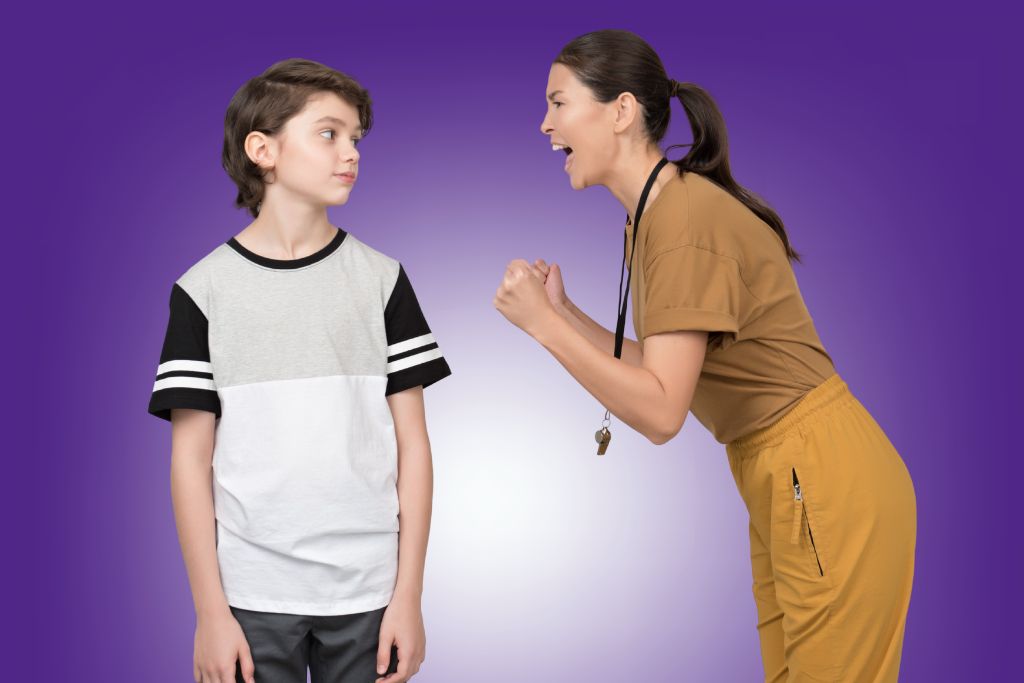
Parents of a dysregulated child often feel like they’re walking on eggshells. One moment everything is fine, and the next, your child is overwhelmed, explosive, or completely shut down.
It’s easy to assume it’s misbehavior. But I see this every day with dysregulated kids—this is a pattern, not a one-off behavior. What you’re seeing is a stress response, not misbehavior.
And once you understand how sensitivity and emotional dysregulation in children are connected, you can finally respond in a way that actually helps.
When your child reacts intensely to “little things,” it’s not about the socks, the tone, or the schedule change. It’s about a nervous system that’s already overloaded.
Highly sensitive kids have nervous systems that register input at a higher volume. Their “stress cup” fills faster—and spills over sooner.
What’s really happening:
Real-life example:
Your child holds it together all day at school. Then you ask them to turn off the TV—and suddenly they explode. It feels out of nowhere, but their system has been overloaded for hours.
VISUAL: “Stress Cup Overflow – Why small triggers cause big reactions”
Here’s the truth: many “difficult” kids are actually deeply sensitive—and dysregulated.
This isn’t defiance—it’s dysregulation.
A highly sensitive nervous system notices everything: tone shifts, noise levels, social cues, even emotional tension in a room. That constant input can overwhelm their system if they don’t know how to regulate it.
Signs your child may be highly sensitive and dysregulated:
Real-life example:
Your child falls apart when corrected in front of others—not because they’re “too emotional,” but because their brain experiences embarrassment as a threat.
If you’re tired of walking on eggshells or feeling like nothing works…
Get the FREE Regulation Rescue Kit and finally learn what to say and do in the heat of the moment.
Become a Dysregulation Insider VIP at www.drroseann.com/newsletter and take the first step to a calmer home.
Emotional dysregulation in children often comes from a loop between sensory overload and emotional reactivity.
When the sensory system is overwhelmed, it activates the stress response. Once that happens, the thinking brain goes offline.
What this means:
Real-life example:
At a birthday party, your child becomes clingy or irritable. It’s not the party—it’s the noise, the movement, the unpredictability overwhelming their system.
Key takeaway:
If you’re wondering how to calm a dysregulated child, the answer isn’t more discipline—it’s more regulation.
Calm the brain first, everything else follows.
What works:
Real-life example:
Instead of rushing from school to homework, you create a 20-minute decompression routine—snack, quiet time, or movement. Meltdowns decrease dramatically.
Remember:
Transitions are especially hard for a dysregulated child because their nervous system needs time to adjust.
Even positive transitions can feel overwhelming.
Why this happens:
Real-life example:
Your child melts down before leaving for a fun outing. It’s not that they don’t want to go—it’s that the transition itself is stressful.
What helps:
“Your child isn’t too much—their nervous system just feels more. And when you calm that system first, their intensity becomes their strength.” — Dr. Roseann
Can sensitivity actually become a strength?
Yes—and this is where everything shifts.
Unregulated sensitivity feels chaotic. But regulated sensitivity becomes a superpower.
When a child learns to regulate, their sensitivity transforms into:
Real-life example:
A child who once melted down in social situations grows into someone who deeply understands others and builds strong relationships.
And this is exactly what I teach inside The Dysregulated Kid—how to turn struggle into strength through regulation.
You’re not failing. This isn’t bad parenting—it’s a dysregulated brain.
Once you see your child through a nervous system lens, everything changes. You stop asking, “Why are they overreacting?” and start asking, “What does their nervous system need right now?”
And that’s where real change begins.
Take one step toward regulating first. Because when you do, your child doesn’t just feel better—they start to thrive.
Emotional dysregulation in children is when a child’s nervous system becomes overwhelmed, making it hard to manage emotions. It’s not misbehavior—it’s a stress response.
Start with co-regulation. Stay calm, reduce stimulation, and support your child’s nervous system before trying to teach or correct behavior.
Most of the time, it’s dysregulation. If your child’s reactions seem intense or unpredictable, their nervous system is likely overwhelmed.
Highly sensitive kids process input more deeply. Their brains notice more, feel more, and need more support to regulate.
Feel like you’ve tried everything and still don’t have answers?
The Solution Matcher helps you find the best starting point based on your child’s symptoms, behaviors, and history.
It’s fast, free, and based on decades of clinical expertise.
Get your personalized plan now at www.drroseann.com/help
Dr. Roseann Capanna-Hodge is a licensed therapist, certified school psychologist, and leading expert in emotional dysregulation in children. With over 30 years of experience, she helps parents understand the root causes of meltdowns, anxiety, ADHD, and challenging behavior through the lens of nervous system regulation. Dr. Roseann teaches practical, science-backed strategies for co-regulation and how to calm a dysregulated child using her Regulation First Parenting™ approach. She is the host of the Dysregulated Kids Podcast and author of The Dysregulated Kid.
Dr. Roseann Capanna-Hodge
Emotional Dysregulation in Children & Nervous System Expert
Regulation First Parenting™ | CALMS Protocol™
Host of the Dysregulated Kids Podcast (Top 1% Globally)
Author of The Dysregulated Kid