Find Your Solution
In 3 minutes, you’ll know where to start ➤
%20.png)





If you’re exhausted and wondering Why Your Child Still Struggles despite trying everything, this episode explains what’s really going on. Dr. Roseann Capanna-Hodge, founder of Regulation First Parenting™, reveals how nervous system dysregulation—not parenting failure—blocks real change.
If you’re exhausted from trying therapy, medication, behavior charts, or every tip the internet throws at you, you’re not alone. So many parents reach out after years of effort, still confused about their child’s behavior and why change never seems to stick.
Today, I’m breaking down what’s actually happening inside a dysregulated brain—because this isn’t about willpower, effort, or “trying harder.” It’s about calming the nervous system first so kids can learn, grow, and handle difficult emotions in healthier ways.
If you feel like you’ve done “all the things” and nothing sticks, you’re not alone.
Most parents are given strategies that target symptoms instead of calming the nervous system first. And when a child’s brain is stuck in survival mode, problem solving skills, self regulation, cooperation, frustration tolerance, and even basic listening become neurologically impossible.
Megan’s story says it all. After years of OT, speech, CBT, and multiple meds, her son Jack still couldn’t transition, follow directions, manage anxiety, or regulate emotions. She felt defeated — but the real problem wasn’t effort… it was sequence.
Many kids struggle not because they’re unmotivated, but because their brain is overwhelmed.
At school, with friends, or during transitions, your child may be struggling to manage frustration, think clearly, or solve problems—so lectures and consequences often bounce right off.
️ “You haven’t tried everything — you’ve just been shown what to try first in the wrong order.” — Dr. Roseann
Smart kids can still get stuck in fight, flight, or freeze. When the limbic system takes over, language, frustration tolerance, and cooperation shut down—this is why children struggle, even when a child who “knows better” suddenly can’t listen, transition, or self-regulate.
Look for clues:
Parent tip: Start observing your child like a detective — the little signals matter.
If you’re tired of walking on eggshells or feeling like nothing works…
Get the FREE Regulation Rescue Kit and finally learn what to say and do in the heat of the moment.
Become a Dysregulation Insider VIP at www.drroseann.com/newsletter and take the first step to a calmer home.
Because compliance tools don’t work on an overwhelmed brain. Charts, lectures, and reasoning bounce right off a nervous system in distress.
These strategies help kids return to baseline so they can access their thinking brain again.
If you want an easy way to help your child shift out of overwhelm, try Quick CALM — a proven brain-calming kit for stressed kids and parents.
You don’t need 12 new strategies. Start with one nervous-system intervention and make it consistent. Then layer in more.
When kids feel safe, their self esteem grows. They develop a growth mindset. They handle challenges more easily. And they begin to show the same emotional resilience you see in other kids who seem to “bounce back.”
Your child isn’t struggling because you’ve failed or they can’t learn—they’re struggling because their brain is overwhelmed and no one showed you where to start.
Every child can regulate. Calm the brain first, and kids can figure out emotions, talk, solve problems, and navigate the world confidently.
You’re not behind. You were just given the wrong idea of where to start—until now.
Therapy only works when the brain is regulated. A stressed nervous system blocks learning and coping skills.
Look for micro-signs: tension, avoidance, irritability, or quick frustration.
Pause demands, co-regulate, and help their body calm before giving any direction.
Absolutely — but only when calm. The brain must feel safe first.
Their prefrontal cortex goes offline during stress, making transitions neurologically hard.
Every child’s journey is different. That’s why cookie-cutter solutions don’t work.
Take the free Solution Matcher Quiz and get a customized path to support your child’s emotional and behavioral needs — no guessing, no fluff.
Start today at www.drroseann.com/help
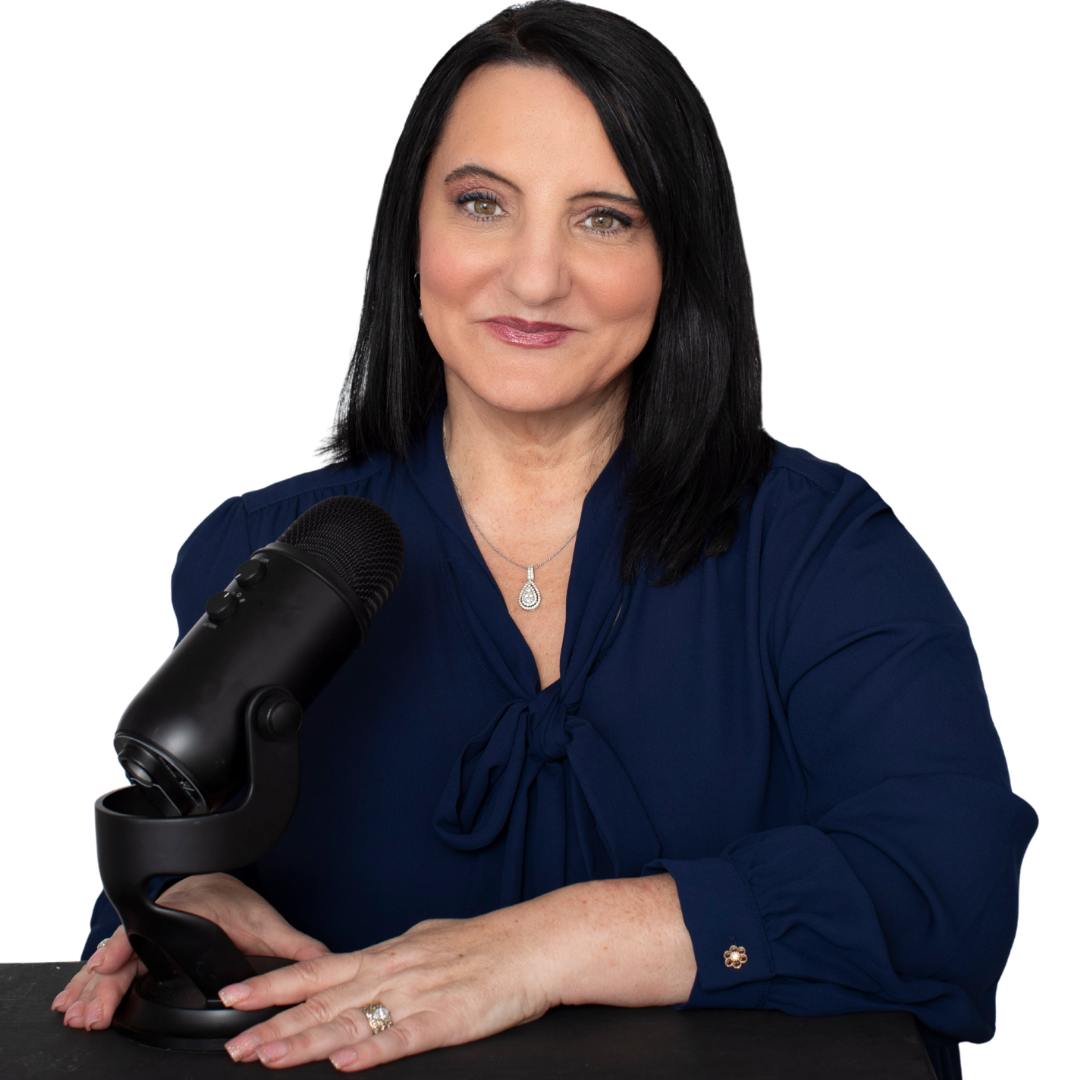
Dr. Roseann Capanna-Hodge is a licensed therapist, certified school psychologist, and leading expert in emotional dysregulation in children. With over 30 years of experience, she helps parents understand the root causes of meltdowns, anxiety, ADHD, and challenging behavior through the lens of nervous system regulation. Dr. Roseann teaches practical, science-backed strategies for co-regulation and how to calm a dysregulated child using her Regulation First Parenting™ approach. She is the host of the Dysregulated Kids Podcast and author of The Dysregulated Kid.
Dr. Roseann Capanna-Hodge
Emotional Dysregulation in Children & Nervous System Expert
Regulation First Parenting™ | CALMS Protocol™
Host of the Dysregulated Kids Podcast (Top 1% Globally)
Author of The Dysregulated Kid