Find Your Solution
In 3 minutes, you’ll know where to start ➤
%20.png)





Estimated Reading Time: 5 minutes
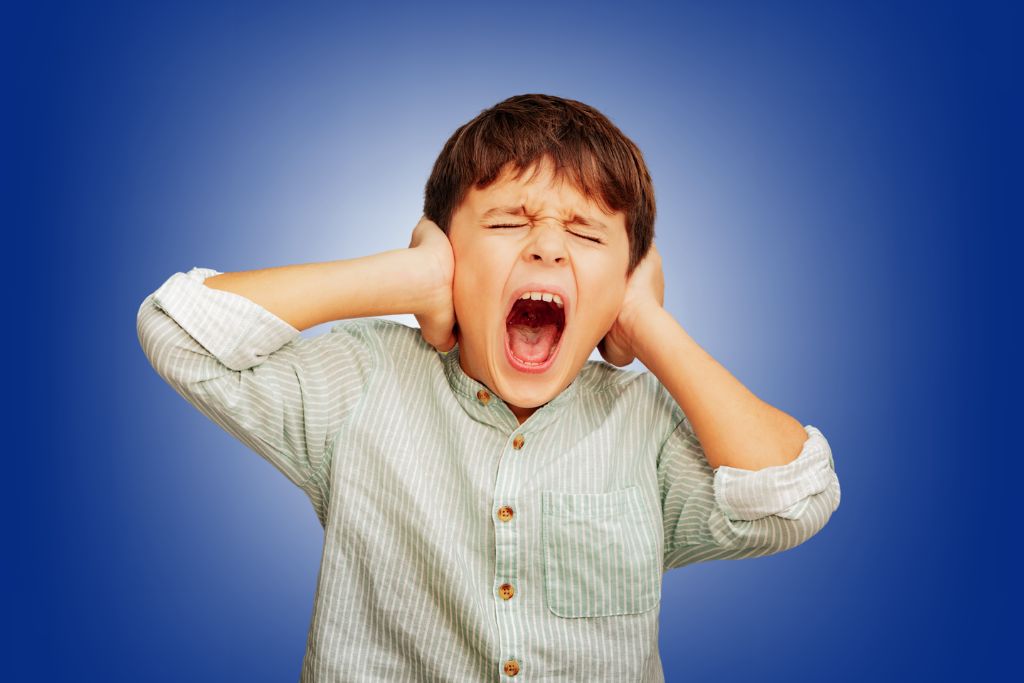
When your child melts down, argues, or reacts explosively, it’s not bad parenting, it’s a dysregulated child signaling that their nervous system is overwhelmed. You’re not alone. In this episode, I share practical, brain-based Strategies for Positive Behavior in Kids to calm the nervous system, model regulation, and teach skills that stick.
These approaches are grounded in nervous system regulation in children, ensuring your child can learn, cope, and grow without escalating stress.
After-school is peak time for dysregulation. Kids hold it together at school, then release stress at home. Behavior is communication, not defiance.
Try this:
Parent example: A child comes home irritable after navigating a noisy classroom. With a snack, brief trampoline time, and deep breathing, meltdowns decreased dramatically.
Overstimulation looks like irritability, shouting, and sensory avoidance. Understimulation can appear as zoning out or refusing to start tasks.
Supports for each:
When the nervous system is regulated, kids respond instead of reacting.
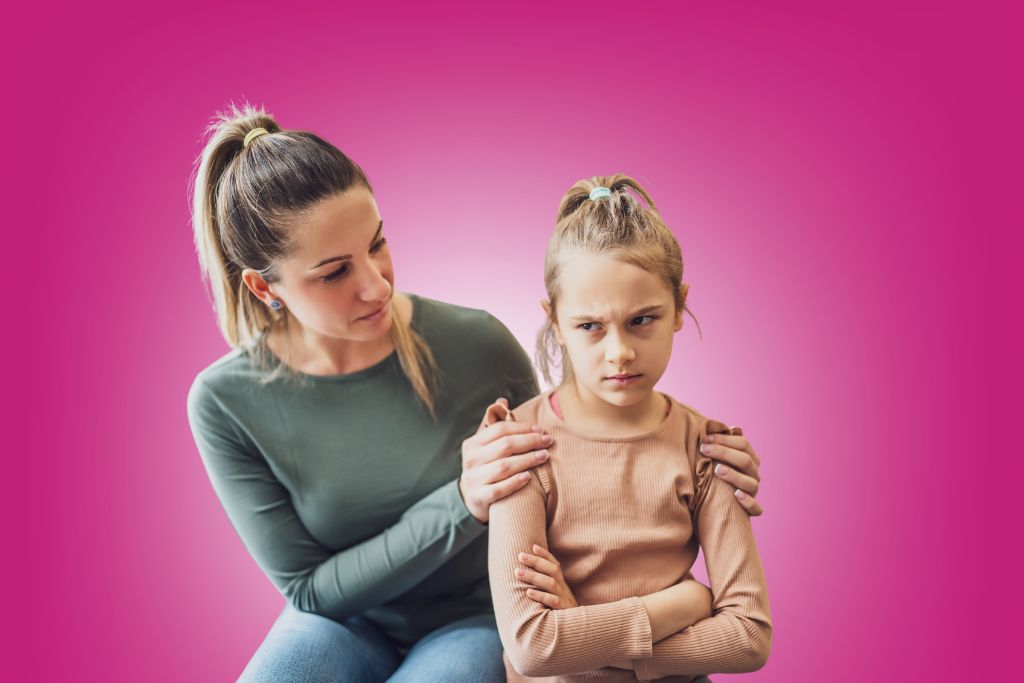
Kids learn self-regulation by mirroring adults. Your nervous system sets the tone.
Co-regulation strategies:
Scenario: A teen slams the door. You kneel, breathe, and guide them gently. After calm, problem-solving becomes possible.
Consistency and clarity reduce anxiety and behavioral dysregulation.
Tips:
Clear limits = safety = calmer nervous system.
Predictable routines reduce reactive behavior in dysregulated children. Small, repeated rituals help the brain anticipate transitions and prevent meltdowns.
Try:
Kids need help recognizing emotions so they can respond rather than react. Teaching emotional vocabulary reduces child behavior problems.
Strategies:
Sensory interventions reduce fight-flight-freeze responses in angry child behavior and ADHD.
Effective tools:
Want to stay calm when your child pushes every button?Become a Dysregulation Insider VIP and get the FREE Regulation Rescue Kit—your step-by-step guide to stop oppositional behaviors without yelling or giving in.
Go to www.drroseann.com/newsletter and grab your kit today.
Regulation First Parenting™ focuses on calm first, connection second, then correction. It teaches both parent and child how to respond instead of react.
Benefits:
When applied consistently, dysregulated children develop resilience and independence.
When kids are dysregulated, small, consistent actions make a big difference:
Behavior is communication, and when we regulate first, skills stick.
.png)
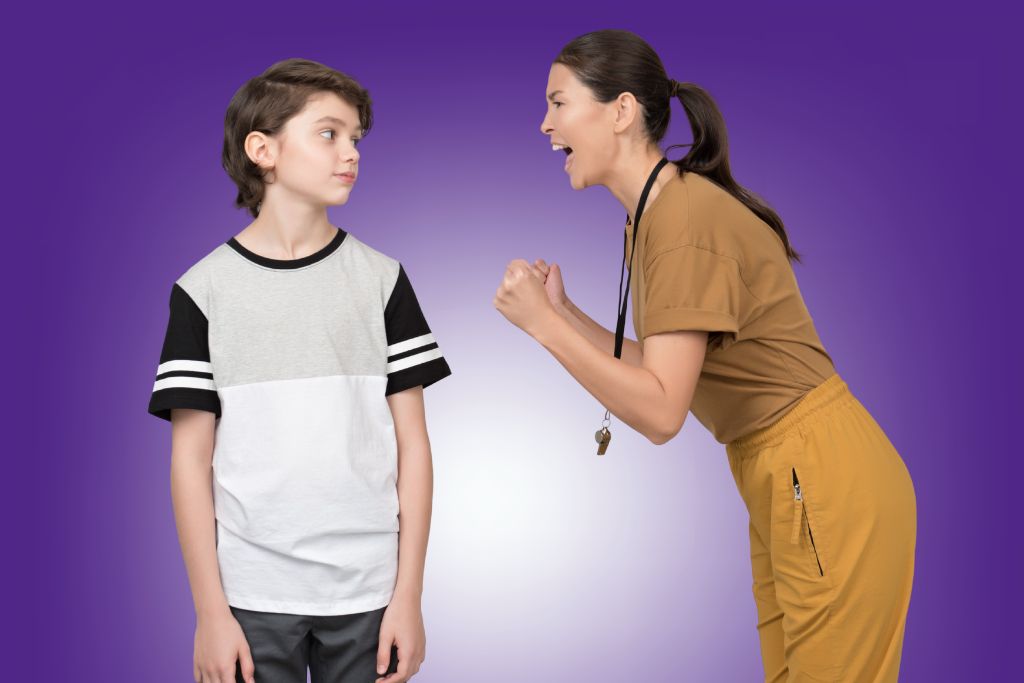
Co-regulate first—lower your voice, model calm, provide safe options. Teach coping afterward.
Most behavior is a nervous system response. Set boundaries after regulation, not in the moment.
Post 3–5 non-negotiables and unify language. Consistency reduces triggers for behavioral dysregulation.
Yes, when delivered calmly and consistently. They help the brain learn cause-and-effect without power struggles.
Yes. Weighted blankets, movement breaks, and other sensory supports help angry child behavior and prevent escalation.
Every child’s journey is different.That’s why cookie-cutter solutions don’t work. Take the free Solution Matcher and get a customized path—no guessing, just clear next steps: www.drroseann.com/help
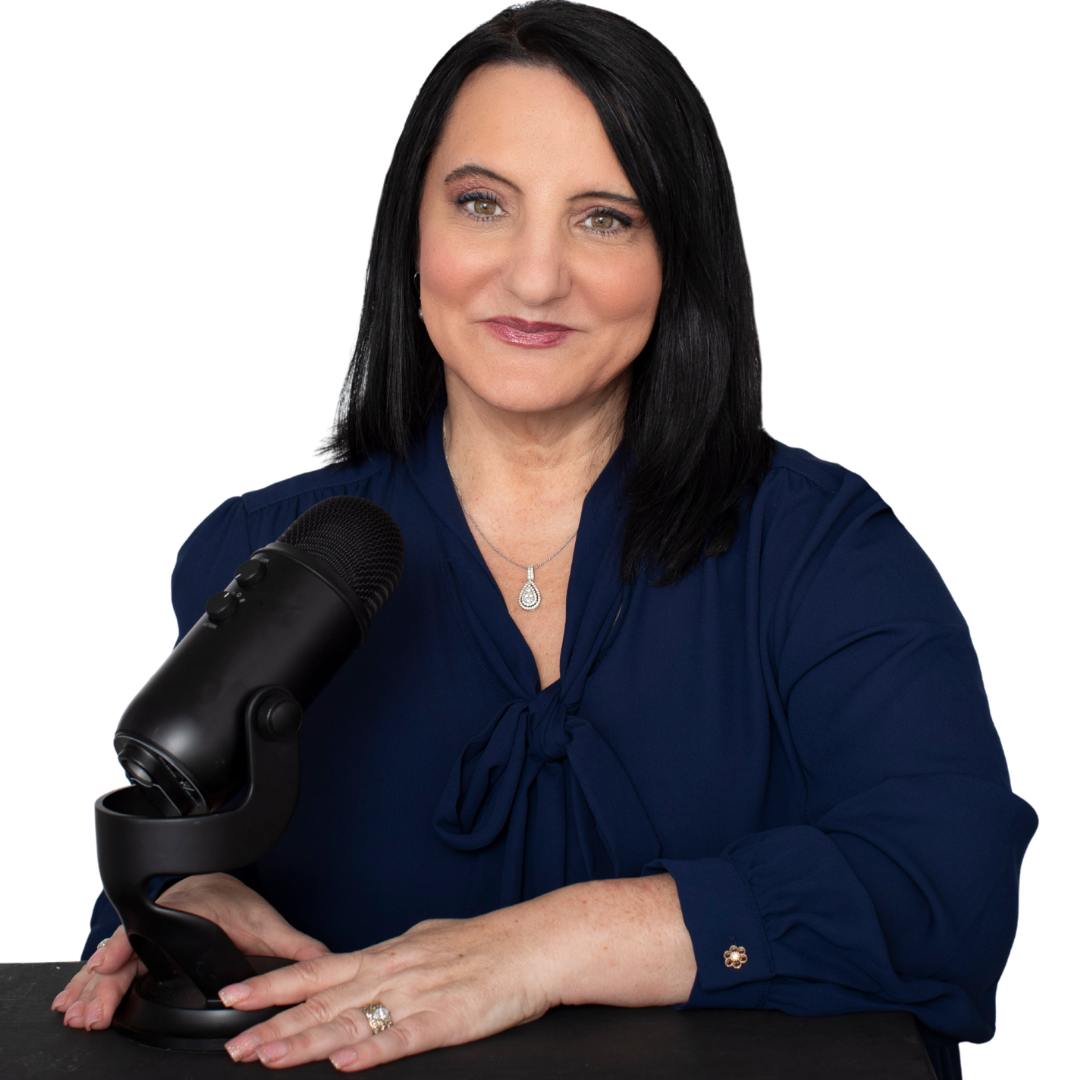
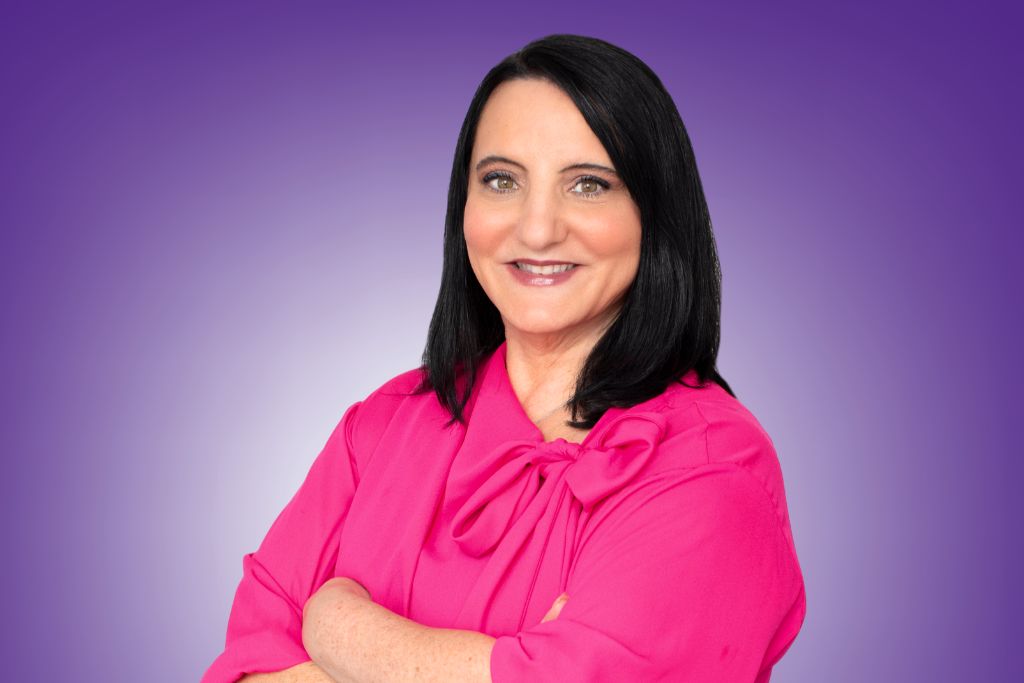
Dr. Roseann Capanna-Hodge is a licensed therapist, certified school psychologist, and leading expert in emotional dysregulation in children. With over 30 years of experience, she helps parents understand the root causes of meltdowns, anxiety, ADHD, and challenging behavior through the lens of nervous system regulation. Dr. Roseann teaches practical, science-backed strategies for co-regulation and how to calm a dysregulated child using her Regulation First Parenting™ approach. She is the host of the Dysregulated Kids Podcast and author of The Dysregulated Kid.
Dr. Roseann Capanna-Hodge
Emotional Dysregulation in Children & Nervous System Expert
Regulation First Parenting™ | CALMS Protocol™
Host of the Dysregulated Kids Podcast (Top 1% Globally)
Author of The Dysregulated Kid