Find Your Solution
In 3 minutes, you’ll know where to start ➤
%20.png)





Estimated Reading Time: 5 minutes
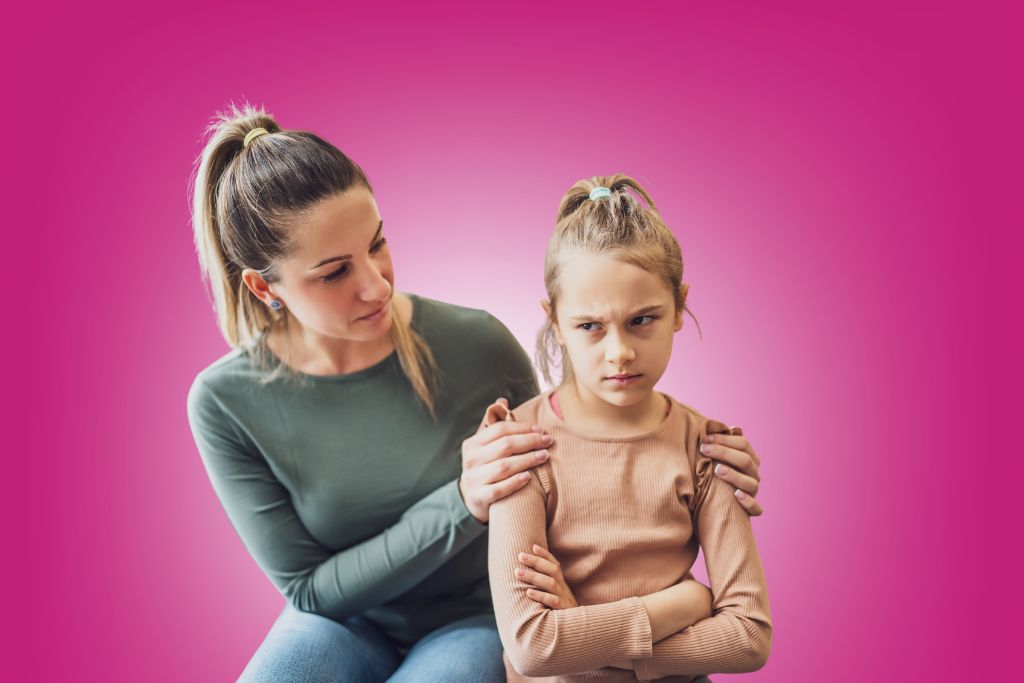
If you've embraced Gentle Parenting but still find yourself dealing with daily meltdowns, anxiety, power struggles, or emotional outbursts, you're not alone. Many parents feel frustrated because they're validating feelings, staying calm, and avoiding punishment, yet their child still struggles to regulate.
The truth is that Gentle Parenting gets many things right. Empathy, connection, and emotional awareness matter. But there's one critical piece often missing: nervous system regulation. In this episode, we'll explore why empathy without regulation can backfire and what actually helps children build lasting emotional resilience.
Gentle Parenting focuses on:
These are all valuable parenting tools.
The problem is that validation alone doesn't regulate the nervous system.
When the brain is stuck in fight, flight, or freeze:
A child may feel heard, but they still don't feel regulated.
This is why Gentle Parenting works best when paired with Regulation First Parenting™.
🗣️ “Gentle parenting only works when it’s built on regulation first.” — Dr. Roseann
Many parents believe that if they validate enough, their child will naturally calm down.
Unfortunately, that's not always what happens.
I worked with a mom named Missy whose daughter, Emma, struggled with anxiety.
Whenever Emma worried, Missy reassured her:
The intention was loving.
The result was not.
Emma became increasingly dependent on reassurance and started seeking constant confirmation before she could feel calm.
Over-validation can:
Children need more than validation.
They need:
Validation should support growth, not replace it.
Validate the feeling, then guide regulation.
For example:
"I see this feels really hard right now. Let's take a breath together."
This supports both connection and regulation.
Yelling less and staying calm isn't about being perfect. It's about having the right tools.
Join the Dysregulation Insider VIP list and get your FREE Regulation Rescue Kit, designed to help you handle oppositional behaviors without losing it.
Download it now at www.drroseann.com/newsletter
This is one of the most important questions parents can ask.
Because children borrow regulation from us.
When we become dysregulated, their nervous systems often follow.
Before responding:
Even a brief pause changes the nervous system.
Focus on calming yourself before calming your child.
Your child's behavior is not an attack.
It's communication.
Ask:
Show your child how you regulate.
Provide predictability and safety.
This is where real co-regulation begins.
When parents regulate first, everything becomes easier.
This is the foundation of Regulation First Parenting™.
Because regulation creates the conditions where empathy can actually work.
You don't need complicated systems.
Small changes often create the biggest shifts.
Silence is often more powerful than lectures.
Children learn by watching.
Take a breath first.
Then invite them to join you.
Children feel safer when expectations are clear.
Examples include:
Instead of fixing every problem, help your child think through it.
Try asking:
This builds confidence and resilience.
You don't have to choose between being gentle and being firm.
Children need both.
Together, they create emotional security.
Regulation First Parenting™ focuses on the nervous system first.
Instead of asking:
"How do I stop this behavior?"
We ask:
"What does this child's brain need right now?"
When the nervous system feels safe:
This is especially important for children who struggle with:
The goal is not compliance.
The goal is regulation.
And regulation creates lasting change.
Gentle Parenting opened the door to more empathy and connection.
But empathy alone isn't enough.
Children need regulation first.
When we calm the brain before correcting behavior:
Remember:
It's not bad parenting.
It's a dysregulated brain.
And when we learn to regulate first, we give our children the gift of calm, confidence, and emotional growth.
Tired of not knowing what's really going on with your child?
The Solution Matcher gives you a personalized recommendation based on your child's behavior, not just a label.
It's free, takes just a few minutes, and shows you the best next step.
Go to www.drroseann.com/help
Take one slow breath before responding. Your nervous system sets the tone. Regulate yourself first, then connect with your child.
No. Gentle Parenting includes empathy and connection, while permissive parenting often lacks consistent boundaries and expectations.
Excessive reassurance can reinforce anxiety. Focus on co-regulation, emotional safety, and helping your child develop confidence in their own coping abilities.
Absolutely. Strong-willed children often thrive when parents combine empathy with clear boundaries and nervous system regulation.
Pause before reacting. Slow your breathing, soften your voice, and offer calm connection. Regulation always comes before correction.
Dr. Roseann Capanna-Hodge is a licensed therapist, certified school psychologist, and leading expert in emotional dysregulation in children. With over 30 years of experience, she helps parents understand the root causes of meltdowns, anxiety, ADHD, and challenging behavior through the lens of nervous system regulation. Dr. Roseann teaches practical, science-backed strategies for co-regulation and how to calm a dysregulated child using her Regulation First Parenting™ approach. She is the host of the Dysregulated Kids Podcast and author of The Dysregulated Kid.
Dr. Roseann Capanna-Hodge
Emotional Dysregulation in Children & Nervous System Expert
Regulation First Parenting™ | CALMS Protocol™
Host of the Dysregulated Kids Podcast (Top 1% Globally)
Author of The Dysregulated Kid