Find Your Solution
In 3 minutes, you’ll know where to start ➤
%20.png)





Estimated Reading Time: 6 Minutes
When children struggle to regulate emotions, they rely on the adults around them to help guide their nervous systems back to safety. That's not weakness. That's how emotional regulation develops.
In this episode, I explain what co-regulation really is, why your child's behavior can trigger your own stress responses, and how Regulation First Parenting™ helps both parents and children move from chaos to calm.
Many parents hear the term co-regulation but aren't exactly sure what it means.
Co-regulation is the process of using your calm, regulated nervous system to help your child regulate theirs.
Children are not born knowing how to manage big emotions.
They learn emotional regulation through repeated experiences of safety, connection, and support.
That's why co-regulation comes before self-regulation.
Co-regulation isn't permissive parenting.
It's nervous system support.
One of the most frustrating parts of parenting is how quickly a child's emotions can affect your own.
This happens because nervous systems are constantly communicating with one another.
When your child becomes dysregulated:
This is called co-dysregulation.
When you're already overwhelmed, your capacity to stay regulated decreases.
A tired nervous system is more reactive.
Many parents were never taught healthy emotional regulation themselves.
When your child struggles, it can activate your own childhood experiences.
Parenting is exhausting.
Without intentional regulation practices, many parents run on empty.
It's not bad parenting.
It's a dysregulated brain.
The goal isn't perfection.
The goal is learning how to return to regulation more quickly.
The most effective way to help your child regulate is to regulate yourself first.
Your calm is the catalyst.
Before responding, ask yourself:
"What does my nervous system need right now?"
Take one slow breath before speaking.
That pause creates space between your child's behavior and your reaction.
Notice tension in your:
Then soften intentionally.
Children often respond more to your tone than your words.
A slower, calmer voice signals safety.
You don't need perfect words.
Your presence matters more than your speech.
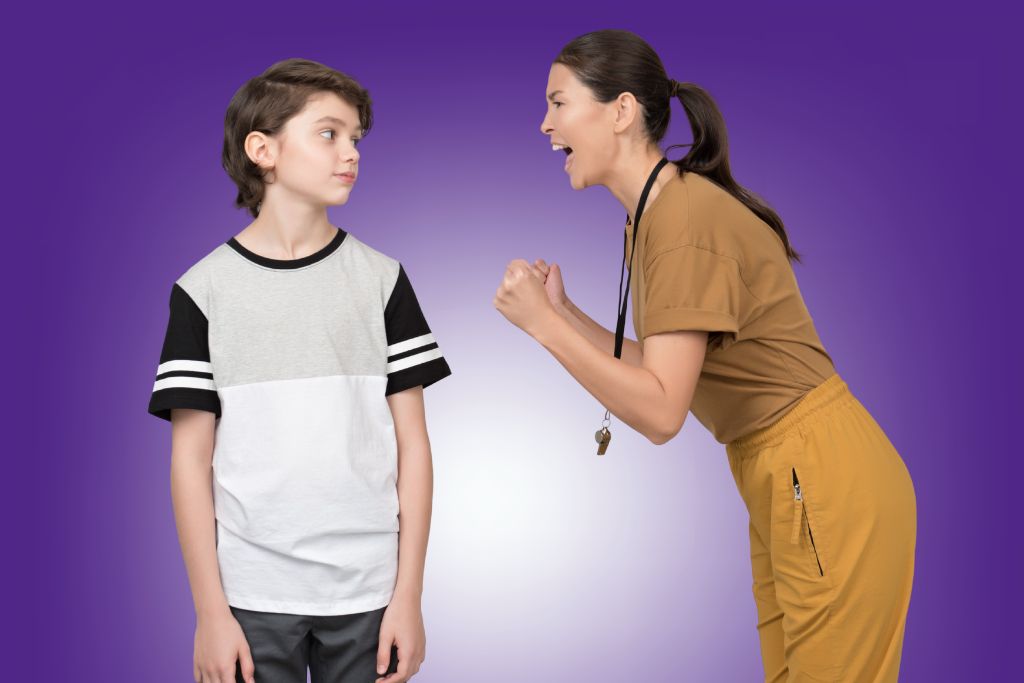
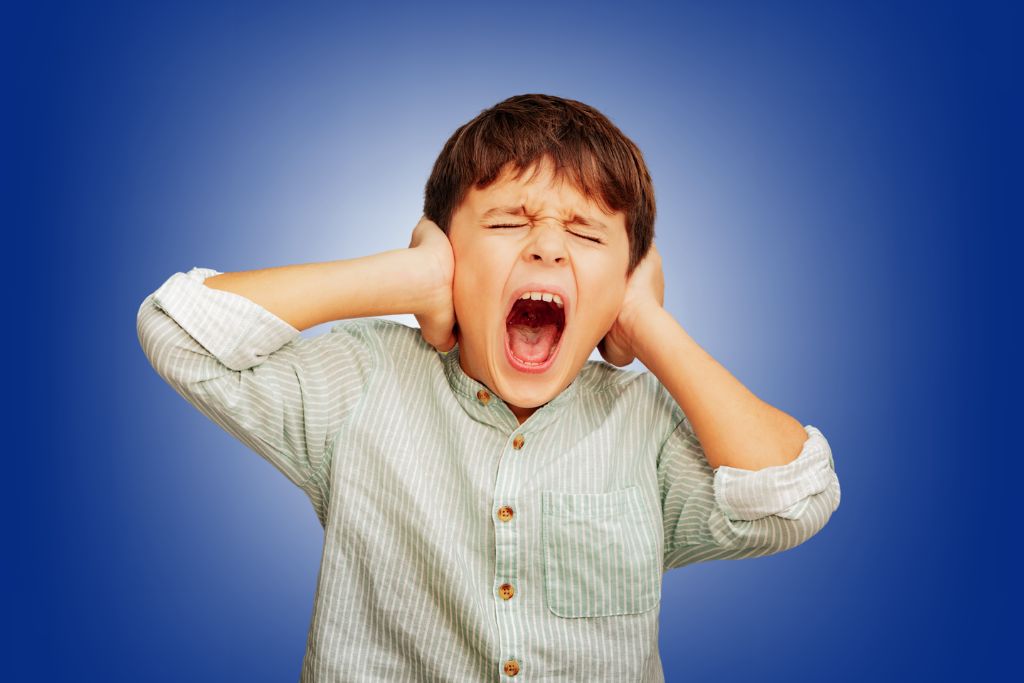
A child begins screaming because screen time has ended.
Instead of immediately arguing, the parent pauses, takes a breath, lowers their voice, and sits nearby.
The child's nervous system begins responding to safety instead of conflict.
That's co-regulation.
Co-regulation doesn't have to be complicated.
Small actions often create the biggest shifts.
Take slow, deep breaths and invite your child to join you.
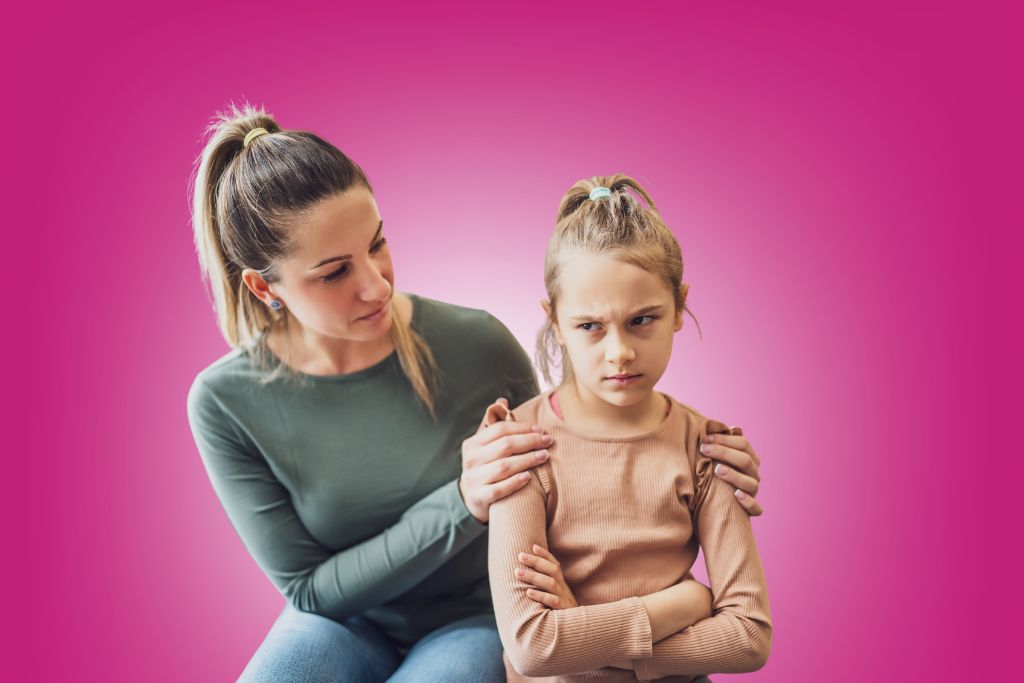
If welcomed, a hand on the shoulder, hug, or sitting nearby can communicate safety.
Say things like:
Children learn by watching.
Don't wait until a meltdown.
Practice regulation skills when everyone feels calm.
A parent and child spend five minutes every evening practicing breathing exercises before bed.
When difficult emotions arise later, the child already has a familiar regulation tool available.
That's how self-regulation skills develop.
When your child is dysregulated, it's easy to feel helpless.
The Regulation Rescue Kit gives you practical scripts, calming strategies, and Regulation First Parenting™ tools to help you stay grounded and support your child effectively. Become a Dysregulation Insider VIP and get your FREE kit: www.drroseann.com/newsletter
Absolutely.
Children learn regulation by experiencing it.
Mirror neurons help children absorb the emotional states of trusted adults.
Over time, repeated experiences of co-regulation help children develop:
This is why co-regulation is so powerful.
You're not just calming today's meltdown.
You're building lifelong emotional skills.
When children stay stuck in dysregulation, parents often feel hopeless.
But regulation is a process.
Not an event.
Respond.
Don't rescue.
Support.
Don't control.
Guide.
Don't shame.
Children learn through safe relationships.
And every regulated interaction strengthens their ability to manage emotions over time.
🗣️ "You're not alone. Parenting isn't about being perfect—it's about showing up with a regulated presence again and again." — Dr. Roseann
If your child's emotions often trigger your own, you're not failing.
You're human.
Co-regulation parenting isn't about being calm all the time.
It's about returning to calm again and again.
Your child isn't giving you a hard time.
They're having a hard time.
And when you regulate first, you create the conditions that help your child learn how to regulate too.
Remember:
Self-regulation happens when children can independently manage emotions. Co-regulation happens when a caregiver provides support and nervous system safety while those skills are still developing.
Yes. Research consistently shows that children learn emotional regulation through repeated experiences with calm, responsive adults.
Focus on your own regulation first. Stay calm, stay present, and avoid escalating. Safety and connection are often more effective than lectures or consequences.
Absolutely. Many children release accumulated stress after school. Co-regulation, connection, movement, and decompression time can help reduce emotional overload.
You're human. Repair is more important than perfection. Apologize, reconnect, and model what healthy recovery looks like.
Not sure where to start?
Use the free Solution Matcher to get a personalized plan based on your child's unique needs.
Start here:
Dr. Roseann Capanna-Hodge is a licensed therapist, certified school psychologist, and leading expert in emotional dysregulation in children. With over 30 years of experience, she helps parents understand the root causes of meltdowns, anxiety, ADHD, and challenging behavior through the lens of nervous system regulation. Dr. Roseann teaches practical, science-backed strategies for co-regulation and how to calm a dysregulated child using her Regulation First Parenting™ approach. She is the host of the Dysregulated Kids Podcast and author of The Dysregulated Kid.
Dr. Roseann Capanna-Hodge
Emotional Dysregulation in Children & Nervous System Expert
Regulation First Parenting™ | CALMS Protocol™
Host of the Dysregulated Kids Podcast (Top 1% Globally)
Author of The Dysregulated Kid