
Join the Dysregulation Insider get free calm parenting tips straight to your inbox!
YES, I'M IN!How to Get Your Child to Cooperate WITHOUT a Fight | Co-Regulation | E377





If every simple request turns into a power struggle, you’re not alone. How to Get Your Child to Cooperate WITHOUT a Fight reveals why cooperation starts in the nervous system—not willpower. Guided by Dr. Roseann Capanna-Hodge, founder of Regulation First Parenting® and expert in childhood dysregulation, you’ll learn calmer, brain-based solutions that work.
If every simple request feels like a negotiation, meltdown, or power struggle, you’re not alone. This isn’t bad parenting—it’s a nervous system under pressure. When kids can’t regulate, cooperation goes offline. And once you understand that, everything changes.
In this episode, I break down the real neurological reason kids resist, why “just listen” doesn’t work, and the exact strategies that help kids of all ages—toddlers, school-age kids, and even older kids—cooperate without fights.
Why does my child say “no” to everything—even simple things like brushing teeth?
Because a dysregulated brain chooses avoidance over cooperation—every time. When your child’s nervous system is overloaded, they lose working memory, impulse control, and the ability to start tasks. Even brushing teeth or putting on socks can feel like too much, even for our own children.
This isn’t disrespect or control—it’s overwhelm. When parents shift from correcting behavior to encouraging kids through regulation, everything changes.
Key takeaways:
- Behavior is communication, not defiance
- A “no” often means “I can’t do this right now”
- Skills don’t disappear—access to them does
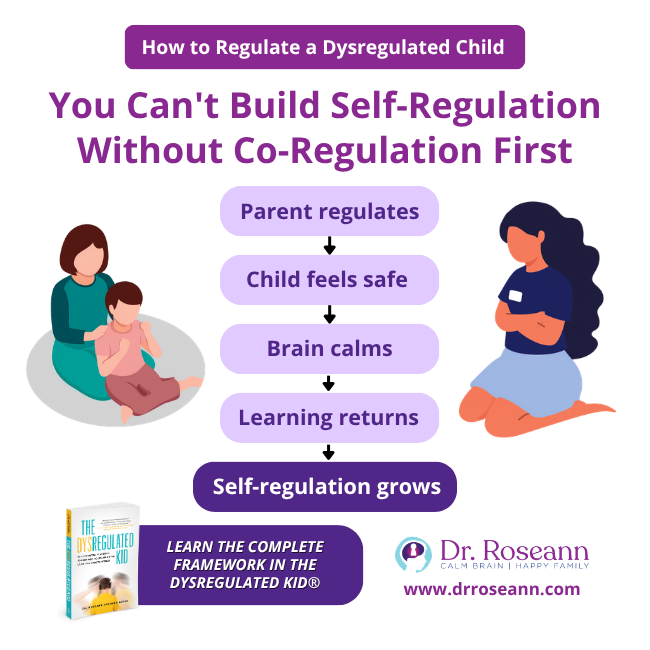
- Child’s cooperation grows when adults regulate first and stay on the same team
Real-Life Example
A mom I worked with felt like brushing teeth was a daily fight. Once she learned to regulate, connect, and then direct, the battles dropped—without teaching new skills. Her child finally accessed what he already knew.
How do I stop power struggles before they start?
Cooperation is a state, not a skill. You can’t demand it—you create it through co-regulation by calming the brain first.
The 3-step Regulation First approach:
- Regulate first: deep pressure, a hug, walking together, slowing your voice
- Connect before you direct: get close, not loud; calm presence matters
- Give brain-friendly directions: short, concrete, one step
Instead of: “Get ready—we’re late!”Try: “Shoes on.”
Connection flips the brain from threat to safety.
️ “Kids don’t resist doing the thing—they resist the internal overwhelm caused by the thing.” — Dr. Roseann
You don’t have to figure this out alone.
Become a Dysregulation Insider VIP and get your FREE Regulation Rescue Kit:
How to Stay Calm When Your Child Pushes Your Buttons and Stop Oppositional Behaviors.
Head to www.drroseann.com/newsletter and start your calm parenting journey today.
Why do transitions (mornings, after school, bedtime) cause meltdowns?
Transitions are scary feelings for a sensitive nervous system. Predictability equals safety—and safety equals cooperation.
Helpful strategies:
- Lower demands during high-stress times
- Create predictable routines (especially for neurodivergent kids)
- Prepare for transitions with warnings and visuals
Real-Life Scenario
After school, kids’ cups are already full. Expecting instant compliance often leads to a meltdown and power struggles—lowering demands helps prevent them.
Want support calming the nervous system fast? Quick CALM helps reset dysregulation so kids feel safe and ready to cooperate. Learn more at https://drroseann.com/quickcalm/
What exact words help kids follow directions without arguing?
Less language = more cooperation. Short, clear words land better when kids are overwhelmed.
Try this:
- Reduce language by 70%
- Offer one micro-step
- Let kids choose the first step
Instead of: “Clean your room right now.”Say: “Let’s put clothes in the basket first.”
Choice increases buy-in. Buy-in reduces battles.
Takeaway
If your home feels like a battlefield, it’s not because your child won’t cooperate—it’s because their nervous system can’t yet. Regulate first. Connect next. Then direct. You’re not failing. It’s gonna be OK—and there is a way forward.
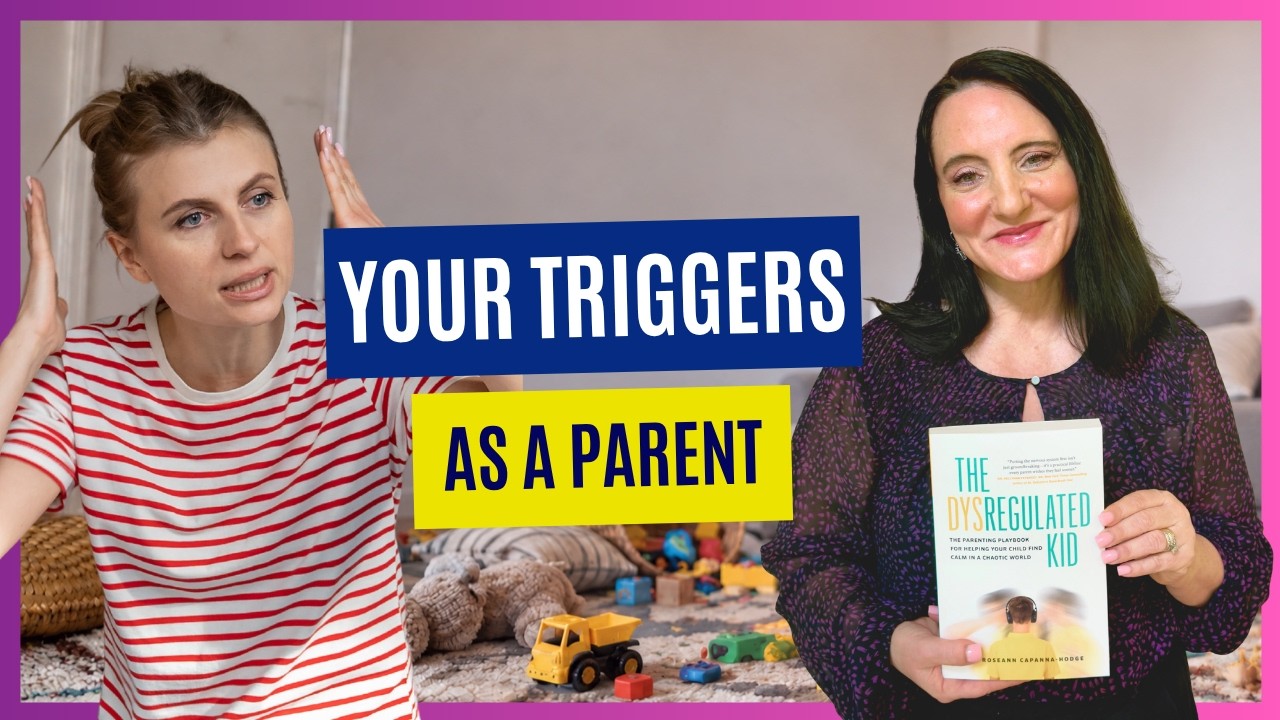
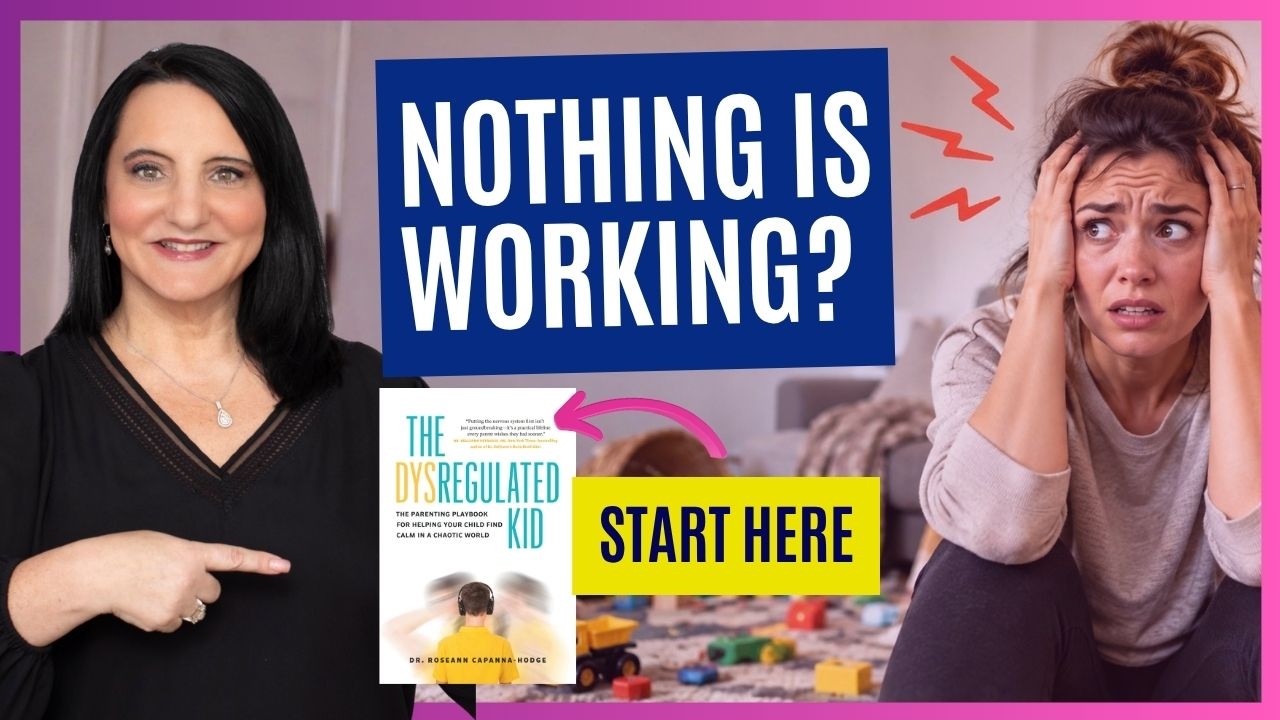
Your child borrows your calm before they can consistently create their own. The Dysregulated Kid® shows you how to use co-regulation intentionally so you can stay grounded when emotions are high and help your child’s nervous system find its way back to calm. Get The Dysregulated Kid® at dysregulatedkid.com.
FAQs
Why won’t my child follow directions?
Because their nervous system is overwhelmed. Regulation must come before cooperation.
Does this work for older kids?
Yes. Older kids still need nervous system safety to cooperate.
Am I giving in if I connect first?
No. You’re creating the brain state needed to listen.
How do I stop arguing fast?
Lower language, calm your body, and give one clear step.
Is this normal behavior?
Yes. Most kids struggle when demands exceed regulation.
Every child’s journey is different. That’s why cookie-cutter solutions don’t work.
Take the free Solution Matcher Quiz and get a customized path to support your child’s emotional and behavioral needs—no guessing, no fluff.
Start today at www.drroseann.com/help
Dr. Roseann Capanna-Hodge is a licensed therapist, certified school psychologist, and leading expert in emotional dysregulation in children. With over 30 years of experience, she helps parents understand the root causes of meltdowns, anxiety, ADHD, and challenging behavior through the lens of nervous system regulation. Dr. Roseann teaches practical, science-backed strategies for co-regulation and how to calm a dysregulated child using her Regulation First Parenting® approach. She is the host of the Dysregulated Kids Podcast and author of The Dysregulated Kid.
Dr. Roseann Capanna-Hodge
Emotional Dysregulation in Children & Nervous System Expert
Regulation First Parenting® | CALMS Protocol™
Host of the Dysregulated Kids Podcast (Top 1% Globally)
Author of The Dysregulated Kid

Find this helpful? Leave us a review!
Your feedback helps more overwhelmed parents find calm, clarity, and the proven tools that make everyday life easier.
Dr. Roseann Capanna-Hodge: Helping Families of Dysregulated Kids Thrive Through Regulation First Parenting®
As the creator of Regulation First Parenting®, she’s helping families of dysregulated kids discover a compassionate, brain-based path forward. Through The Dysregulated Kids™ Podcast (top 2% globally), she offers practical strategies that help parents understand their child’s brain and support lasting change.
Through The Global Institute of Children’s Mental Health and Dr. Roseann, LLC, she’s created resources like the Neurotastic® Brain Formulas and the Regulation First Parenting® framework—meeting families where they are and supporting them through challenges like ADHD, anxiety, OCD, PANS/PANDAS, and behavioral struggles.
Recognized by Forbes as “a thought leader in children’s mental health,” Dr. Roseann is changing how we understand emotional dysregulation in children—one family at a time.