Find Your Solution
In 3 minutes, you’ll know where to start ➤
%20.png)





Estimated Reading Time: 5 minutes
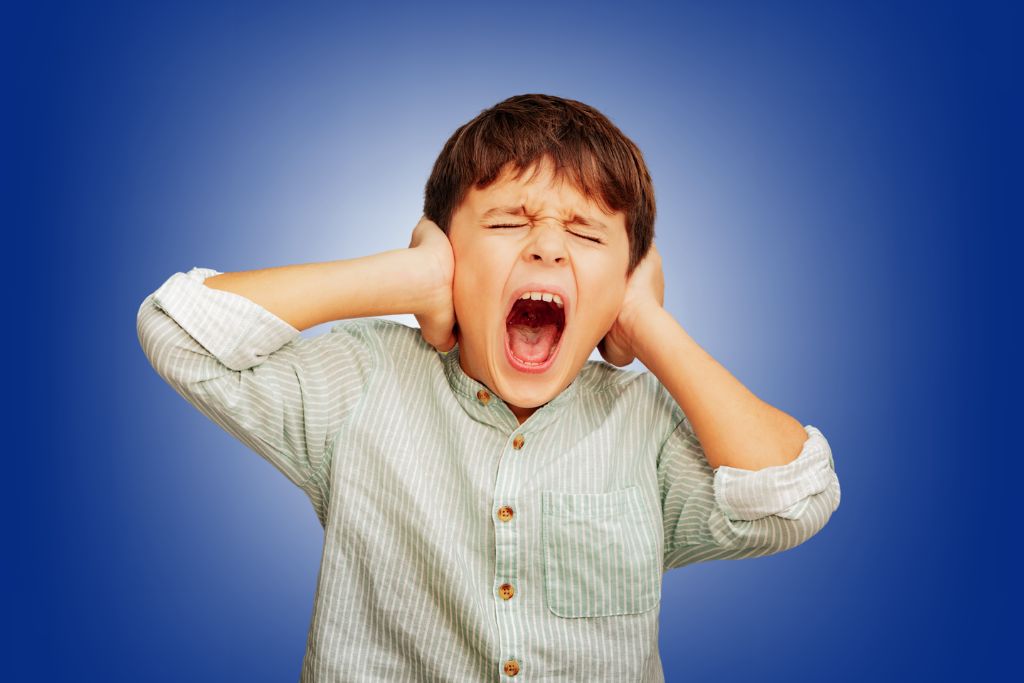
Parenting a child who's melting down while you're barely holding it together yourself can feel impossible.
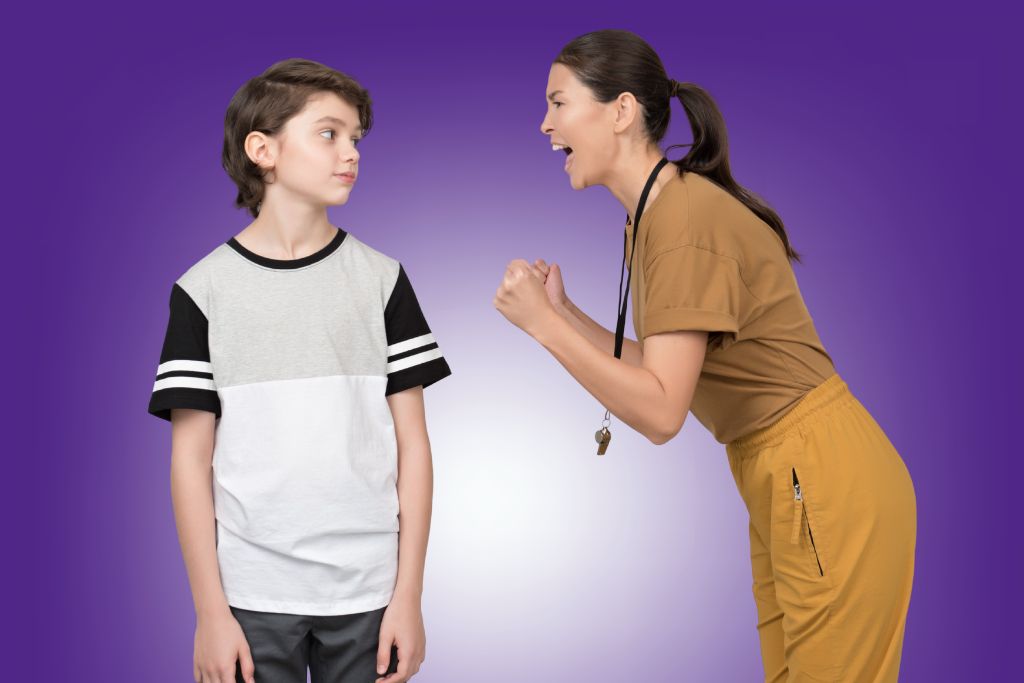
One minute you're calm. The next minute you're yelling too.
If you've ever found yourself matching your child's emotional intensity and then feeling guilty afterward, you're not alone. Understanding why a child's meltdown affects you so deeply is the first step toward breaking the cycle of dysregulation.
In this episode, we'll explore why meltdowns trigger parents, what happens in the brain during these moments, and practical ways to stay grounded so you can help your child regulate too.
When your child is overwhelmed, your nervous system often reacts too.
This happens because of mirror neurons, which help us unconsciously mirror the emotions and energy of the people around us.
When your child is dysregulated:
Your stress cup starts filling just like your child's.
Every challenge adds another drop:
Eventually, both nervous systems overflow.
You may notice:
Once your survival brain takes over:
The goal isn't perfection.
The goal is regulation.
When you notice a child's meltdown beginning, focus on calming yourself before trying to calm your child.
Slow breathing helps calm the nervous system.
Try:
Pay attention to:
These are often the earliest signs of dysregulation.
It's okay to say:
This models healthy emotional regulation.
Try:
Children feel safety through your nervous system.
Remember:
Behavior is communication.
Your child is not trying to make your life harder.
They're communicating that their nervous system needs help.
Yelling less and staying calm isn't about being perfect. It's about having the right tools.
Join the Dysregulation Insider VIP list and get your FREE Regulation Rescue Kit, designed to help you handle oppositional behaviors without losing it.
Download it now at www.drroseann.com/newsletter
Many families become stuck in a cycle where one dysregulated nervous system triggers another.
This is called co-dysregulation.
I worked with a dad named Michael who constantly clashed with his son, Jordan.
Every disagreement escalated into a shouting match.
Everything changed when Michael learned to:
Once he stopped reacting immediately, Jordan began calming more quickly too.
If you lose your cool:
Try saying:
Repair builds trust and teaches healthy emotional skills.
Children learn regulation by watching regulated adults.
You cannot teach what you do not model.
Helpful strategies include:
A regulation area may include:
Practice:
These tools strengthen emotional resilience over time.
For many kids with big emotions, regulation skills must be taught repeatedly and intentionally.
Some meltdowns in children are part of typical development.
Others may indicate a deeper regulation challenge.
Consider seeking support if:
Helpful supports may include:
Seeking support is not failure.
It's proactive parenting.
It's not bad parenting.
It's a dysregulated brain.
A child's meltdown is often a nervous system event, not a behavior problem.
When your nervous system feels safe:
This is why Regulation First Parenting™ starts with the parent.
You cannot stop your child's meltdown if you're having one too.
Regulation starts with you.
Not perfectly.
Just consistently.
🗣️ “You have the power to stop the chain reaction. When you calm your brain first, you create the safety your child needs to calm theirs.” — Dr. Roseann
When your child melts down, it's easy to get pulled into the storm.
But every time you:
You're helping build stronger emotional regulation skills for both of you.
Remember:
The more you regulate yourself, the easier it becomes to help your child do the same.
Not sure where to start?
Take the guesswork out of helping your child.
Use our free Solution Matcher to get a personalized plan based on your child's unique needs, whether it's ADHD, anxiety, mood issues, or emotional dysregulation.
In just a few minutes, you'll know exactly what support is right for your family.
Start here: www.drroseann.com/help
Your nervous system mirrors your child's emotional state. When you're already stressed or overwhelmed, your child's distress can activate your own fight, flight, or freeze response.
Pause, breathe, lower your voice, and focus on regulating your body first. Your calm helps your child's nervous system settle.
Repair the relationship. Try saying, "I got upset too. I'm sorry I yelled. Let's try again." Repair builds trust and models emotional regulation.
If meltdowns in children are frequent, intense, last a long time, or significantly affect daily functioning, it may be helpful to seek professional support.
Often, yes. Predictable routines, sensory supports, movement breaks, emotional coaching, and proactive regulation strategies can significantly reduce the frequency and intensity of meltdowns.
Dr. Roseann Capanna-Hodge is a licensed therapist, certified school psychologist, and leading expert in emotional dysregulation in children. With over 30 years of experience, she helps parents understand the root causes of meltdowns, anxiety, ADHD, and challenging behavior through the lens of nervous system regulation. Dr. Roseann teaches practical, science-backed strategies for co-regulation and how to calm a dysregulated child using her Regulation First Parenting™ approach. She is the host of the Dysregulated Kids Podcast and author of The Dysregulated Kid.
Dr. Roseann Capanna-Hodge
Emotional Dysregulation in Children & Nervous System Expert
Regulation First Parenting™ | CALMS Protocol™
Host of the Dysregulated Kids Podcast (Top 1% Globally)
Author of The Dysregulated Kid