Find Your Solution
In 3 minutes, you’ll know where to start ➤
%20.png)





When your child melts down or shuts down, it’s heartbreaking and exhausting. You’re not failing; it’s not bad parenting, it’s a dysregulated nervous system. In this episode, I explain how nervous system dysregulation keeps kids stuck and how tools like the CALMS Parenting Protocol create lasting change.
A dysregulated nervous system struggles to shift between calm and stress states. Kids get “stuck” in overdrive (fight-or-flight) or underdrive (shutdown). That makes even small tasks feel impossible.
Common signs include:
Parent scenario: Your child might collapse after school, not because they’re lazy, but because their nervous system worked overtime all day.
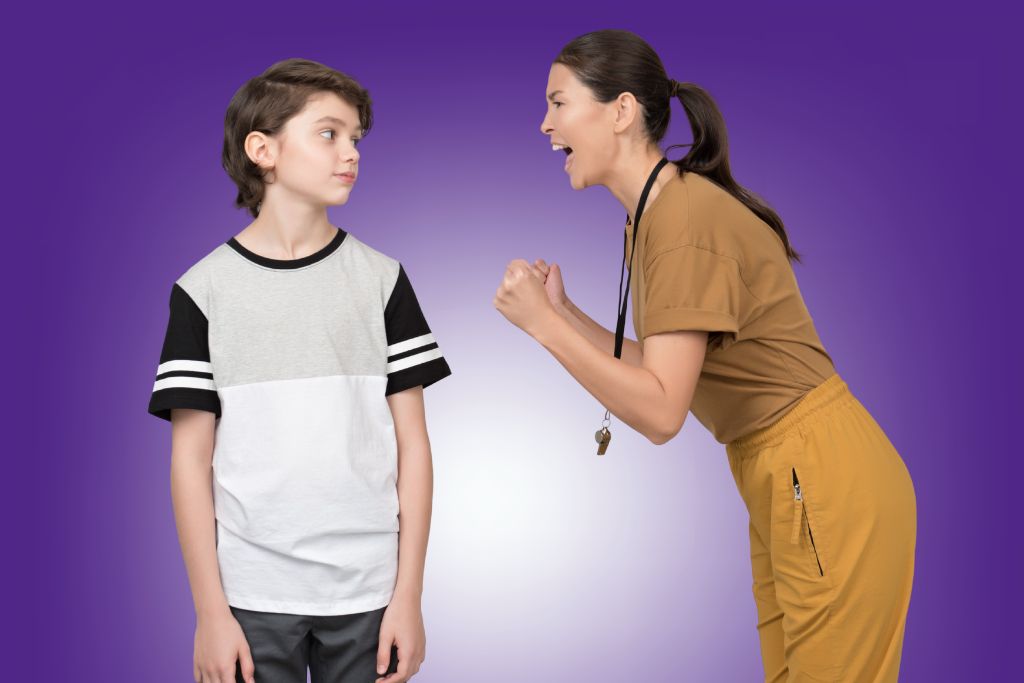
Behavior is communication. When the nervous system is dysregulated, reasoning and self-control go offline. Trying to “correct” behavior first often leads to:
This is why Regulation First Parenting™ matters: calm the brain first, then teach. Families often see real progress only when they address emotional dysregulation in children at the root.
Kids stay stuck when the nervous system stays stuck. Therapy, rewards, or discipline can’t “stick” when the brain is in survival mode. Dysregulated children may struggle with:
Start with the CALMS Parenting Protocol:
Emotional relief: You don’t need to be perfect—just regulated more often than not.
🗣️ “Once the nervous system is in balance, behaviors improve, learning becomes easier, and your child can thrive.” — Dr. Roseann
When the nervous system is calm, children can:
These gains reinforce academic success, self-regulation skills for children, and improved parent–child relationships.
Your nervous system sets the tone for your child. Co-regulation is the most powerful way to teach kids calm, focus, and flexibility.
Tips for parents:
The CALMS Dysregulated Kid Parenting Protocol provides a step-by-step guide:
This sequence is effective for daily tantrums, homework struggles, or chronic behavioral dysregulation.
Early identification and support prevent escalation, improve learning, and reduce stress for the whole family.
Look for patterns like:
Addressing nervous system dysregulation early sets the stage for lasting emotional resilience.

Stress, toxins, infections, sensory overload, and trauma are common triggers. Many kids have multiple overlapping causes.
Kids don’t “grow out” of it, but with consistent support, their brains become better regulated and more resilient.
Start with co-regulation: slow your breath, soften body language, and give space. Tools like structured routines, sensory breaks, and calm presence reinforce regulation.
Feel like you’ve tried everything and still don’t have answers?The Solution Matcher helps you find the best starting point based on your child’s symptoms, behaviors, and history.It’s fast, free, and based on decades of clinical expertise.Get your personalized plan now at www.drroseann.com/help.
Dr. Roseann Capanna-Hodge is a licensed therapist, certified school psychologist, and leading expert in emotional dysregulation in children. With over 30 years of experience, she helps parents understand the root causes of meltdowns, anxiety, ADHD, and challenging behavior through the lens of nervous system regulation. Dr. Roseann teaches practical, science-backed strategies for co-regulation and how to calm a dysregulated child using her Regulation First Parenting™ approach. She is the host of the Dysregulated Kids Podcast and author of The Dysregulated Kid.
Dr. Roseann Capanna-Hodge
Emotional Dysregulation in Children & Nervous System Expert
Regulation First Parenting™ | CALMS Protocol™
Host of the Dysregulated Kids Podcast (Top 1% Globally)
Author of The Dysregulated Kid