Find Your Solution
In 3 minutes, you’ll know where to start ➤
%20.png)





Estimated Reading Time: 5 minutes
When your child is struggling with attention, anxiety, or big behaviors, it’s normal to worry about trying anything new. Parents want solutions, not setbacks. That’s why today’s episode matters. You’ll learn what neurofeedback actually does, why it is safe, and how it helps kids move from dysregulation to calm.
Parents often fear that neurofeedback might “zap” the brain or cause harm. The truth is that EEG neurofeedback is noninvasive, drug-free, and does not send anything into the brain. It simply measures brain wave activity and gives feedback to help the brain self-regulate.
A well regulated brain shows fewer symptoms of ADHD, anxiety, OCD, trauma, or impulsivity.
Key points:
Real-life scenario: A parent worries their child’s anxiety will spike during sessions, but instead sees their child becoming calmer and sleeping better within weeks.
When the brain is dysregulated, behavior gets loud. Kids shut down, melt down, or act out. Neurofeedback teaches the brain to return to a parasympathetic, regulated state, which is the foundation for learning and emotional stability.
Benefits parents notice:
This happens because neurofeedback supports healthier neurotransmitter functioning and calms the nervous system, creating change that lasts.
Yes. Neurofeedback has more than 3000 peer reviewed studies, showing strong outcomes for ADHD, anxiety, depression, trauma, and chronic pain. The American Academy of Pediatrics has listed neurofeedback as a Level 1 intervention for ADHD since 2012.
What this means for your child:
Neurofeedback targets brain dysregulation at its root. When a child struggles with ADHD, anxiety, or sensory overload, their nervous system is often in overdrive. Neurofeedback gives real-time feedback to the brain, teaching it to return to a regulated, calmer state.
Benefits parents commonly see:
This approach addresses nervous system regulation in children, creating lasting improvements instead of just masking symptoms.
Helping a dysregulated child doesn’t have to mean burning out yourself. Using neurofeedback alongside daily routines can lower parental stress and dysregulation, because a calmer child reduces household tension.
Practical tips:
By supporting your child’s nervous system, you create a home environment where both child and parent can thrive.
Neurofeedback itself does not cause side effects. What can happen is that as the brain becomes more regulated, the medication may hit harder, because the brain is working better.
A skilled provider can adjust the plan and collaborate with your prescriber.
Tips:
When your child is dysregulated, it’s easy to feel helpless.
The Regulation Rescue Kit gives you the scripts and strategies you need to stay grounded and in control.
Become a Dysregulation Insider VIP at www.drroseann.com/newsletter and get your free kit today.
“Neurofeedback does not harm the brain. It teaches the brain how to self regulate, and that’s why we see lasting change with ADHD, anxiety, trauma, and more.”
— Dr. Roseann
Neurofeedback is safe, effective, and backed by decades of research. When paired with the right provider and a full Regulation First Parenting™ approach, it can create lasting changes in attention, mood, and behavior.
For more support, check out related episodes on neurofeedback and emotional regulation.You aren't supposed to instinctively know how to handle a dysregulated child. You need to learn how nervous systems work and why consequences fail. The Dysregulated Kid gives you that exact roadmap. Start reading today:
.png)
No. It is noninvasive and supports natural brain regulation.
Yes. It is highly effective and research backed for both.
Most families see early signs of regulation within 10 to 20 sessions.
For some children, yes, but this should be done with medical guidance.
Next Step: Every child’s journey is different.
That’s why cookie cutter solutions don’t work. Take the free Solution Matcher Quiz and get a customized path to support your child’s emotional and behavioral needs.
Start today at www.drroseann.com/help
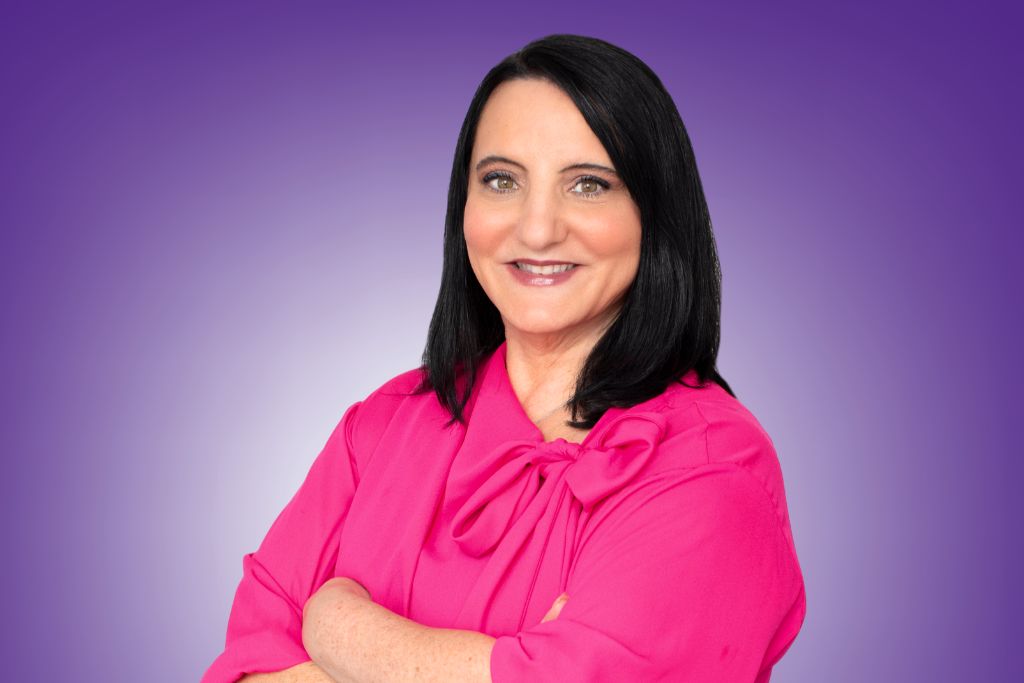
Dr. Roseann Capanna-Hodge is a licensed therapist, certified school psychologist, and leading expert in emotional dysregulation in children. With over 30 years of experience, she helps parents understand the root causes of meltdowns, anxiety, ADHD, and challenging behavior through the lens of nervous system regulation. Dr. Roseann teaches practical, science-backed strategies for co-regulation and how to calm a dysregulated child using her Regulation First Parenting™ approach. She is the host of the Dysregulated Kids Podcast and author of The Dysregulated Kid.
Dr. Roseann Capanna-Hodge
Emotional Dysregulation in Children & Nervous System Expert
Regulation First Parenting™ | CALMS Protocol™
Host of the Dysregulated Kids Podcast (Top 1% Globally)
Author of The Dysregulated Kid