Find Your Solution
In 3 minutes, you’ll know where to start ➤
%20.png)





Estimated Reading Time: 6 minutes
If you’ve ever felt like medication is the only option for your child’s ADHD, you’re not alone. Many parents sense there must be another way and there is. Natural ADHD treatments work by addressing the brain and nervous system, not just suppressing symptoms. When we calm the brain first, children can focus, regulate emotions, and engage successfully in school and life.
In this episode, I explain how nutrition, neuroregulation tools, and parent co-regulation can create lasting improvements in behavior, attention, and emotional control.
Children with ADHD often have dysregulated nervous systems. Natural approaches aim to support the brain instead of forcing compliance.
Key strategies:
Parent story: A child previously overwhelmed by homework and transitions calmed after parents paired structured routines with magnesium supplementation and consistent co-regulation.
Takeaway: When the brain is regulated, children can learn, follow through, and manage emotions more effectively.
Nutrients are foundational for attention, emotional regulation and stress response.
Practical approaches:
Parent tip: Start small. Focus on progress, not perfection. Nutritional support reduces ADHD meltdowns and helps children remain calm during challenging transitions.
Yes, it is possible to retrain attention and emotional regulation naturally. Integrative therapies can reshape dysregulated pathways.
Evidence-backed tools include:
Parent story: A child who struggled for years with inattention and irritability began showing sustained focus and emotional flexibility within months of a structured natural ADHD plan.
🗣️ “You can’t correct what’s dysregulated. Calm the brain first—and everything changes.” — Dr. Roseann
Parents often ask if these strategies are appropriate for their child. The answer: yes.
Guidelines:
Natural ADHD treatments are safe, evidence-informed, and can be used alongside or in place of medication, supporting ADHD and emotional dysregulation.
Want to stay calm when your child pushes every button?
Become a Dysregulation Insider VIP and get the FREE Regulation Rescue Kit—your step-by-step guide to stop oppositional behaviors without yelling or giving in.
Go to www.drroseann.com/newsletter and grab your kit today.
Success is greatest when interventions work together:
Parent story: A child with ADHD and sensory sensitivities improved emotional control and focus when parents paired magnesium supplementation with a predictable homework routine and co-regulation exercises.
Parents can create an environment that reinforces brain regulation and focus at home. Structure, predictability, and consistent routines are key to making natural ADHD interventions effective.
Practical strategies:
Parent story: A child who previously avoided homework became more independent when parents added structured routines, consistent movement breaks and co-regulation moments.
Takeaway: Consistent, supportive home strategies complement natural ADHD treatments, helping the child maintain focus and emotional regulation.
Collaboration with schools ensures children receive accommodations that support focus and reduce dysregulation.
Tips for educators and parents:
Parent story: A student who struggled with attention and impulsivity improved academic performance when teachers incorporated visual supports, movement breaks, and clear instructions aligned with home routines.
Natural ADHD treatments aren’t a quick fix, they are about supporting the brain and nervous system for long-term regulation. When we calm the brain first, everything else, focus, learning, emotional regulation becomes possible.
You don’t need to be a perfect parent; you just need a roadmap that actually works for a dysregulated nervous system. Grab your copy of The Dysregulated Kid and bring peace back to your home tonight.
For deeper insight into supporting attention and emotional regulation in ADHD, listen next to Nourishing Brains: How Anti-Inflammatory Diets Shape Kids’ Behavior.
Yes. Combined with structure, co-regulation, and brain-based tools, children can improve focus, emotional regulation, and behavior.
Most families notice meaningful changes within 2–6 weeks of consistent application.
Not necessarily. With regulation, skill-building, and brain-based supports, many children learn coping strategies that significantly reduce symptoms.
It can help, but the best results come from combining nutrition with routines, sensory supports, and nervous system regulation.
Yes, when guided by a clinician or professional familiar with ADHD and parenting a dysregulated child.
Not sure where to start? Take the guesswork out of helping your child.Use our free Solution Matcher to get a personalized plan based on your child’s unique needs, whether it’s ADHD, anxiety, mood issues, or emotional dysregulation.
In just a few minutes, you'll know exactly what support is right for your family.Start here: www.drroseann.com/help
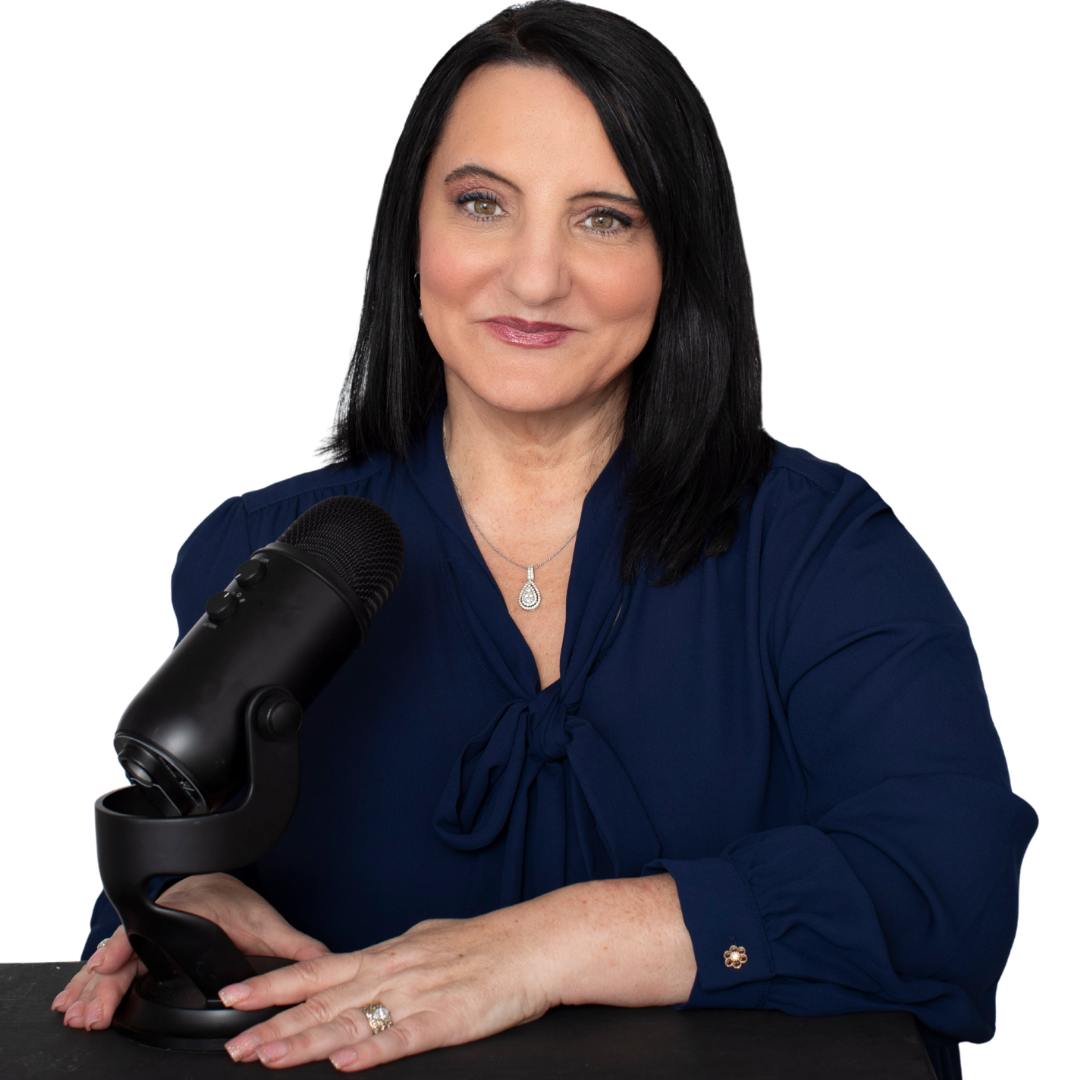
Dr. Roseann Capanna-Hodge is a licensed therapist, certified school psychologist, and leading expert in emotional dysregulation in children. With over 30 years of experience, she helps parents understand the root causes of meltdowns, anxiety, ADHD, and challenging behavior through the lens of nervous system regulation. Dr. Roseann teaches practical, science-backed strategies for co-regulation and how to calm a dysregulated child using her Regulation First Parenting™ approach. She is the host of the Dysregulated Kids Podcast and author of The Dysregulated Kid.
Dr. Roseann Capanna-Hodge
Emotional Dysregulation in Children & Nervous System Expert
Regulation First Parenting™ | CALMS Protocol™
Host of the Dysregulated Kids Podcast (Top 1% Globally)
Author of The Dysregulated Kid