Find Your Solution
In 3 minutes, you’ll know where to start ➤
%20.png)





Estimated reading time: 6 minutes
When your child suddenly changes, practically overnight, it can leave you terrified, confused, and feeling utterly alone. You know something is wrong, yet you’re met with dismissal, misinformation, or waitlists that go on for months.
That’s why this episode matters. We break down what PANS/PANDAS really looks like, why sudden onset symptoms should never be brushed off, and natural treatment for pans pandas that actually help calm the brain and support recovery. Together, we'll walk through the science, the hope, and the real path forward.
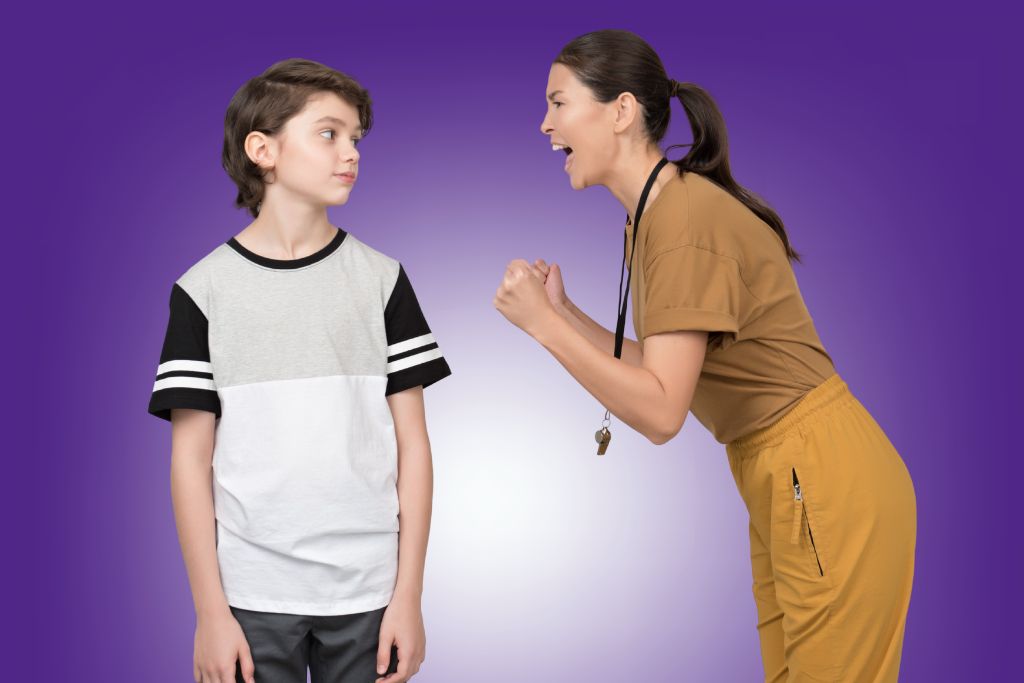
Sudden onset symptoms are never normal—and they’re one of the defining features of PANS/PANDAS. Kids can go from “fine” to deeply dysregulated in days or even hours.
Common sudden changes include:
Parent Story
A mom recently shared that her daughter went from mild distractibility to full-blown OCD and debilitating anxiety in one week after strep exposure. This is the kind of shift that signals: Look deeper. Advocate. Don’t dismiss it.
Takeaway: Behavior is communication—and sudden regression means the brain is inflamed and needs support.

These conditions involve the immune system attacking the brain, which leads to dysregulation, cognitive decline, and emotional instability.
Parents often report:
Parent Story
One dad described it as “watching the light disappear from my son's eyes.” This is why early recognition and intervention matter.
You don’t have to figure this out alone.
Become a Dysregulation Insider VIP and get your FREE Regulation Rescue Kit: How to Stay Calm When Your Child Pushes Your Buttons and Stop Oppositional Behaviors.
Head to www.drroseann.com/newsletter and start your calm parenting journey today.
There is no one-size-fits-all protocol—but a 5-pronged approach works best because it supports the brain, immune system, and nervous system simultaneously.
The 5-Core Pillars of Treatment:
But here’s the part most providers miss: If we don’t calm the nervous system, healing stalls.
Ways to support regulation:
One teen I worked with didn’t improve until we added neurofeedback and PEMF—then her cognitive fog lifted almost immediately.
Because clearing infections is only one piece.
Kids with PANS/PANDAS often stay stuck when:
It’s not bad parenting—it’s a dysregulated brain. When we calm the brain first, everything else starts to shift.
🗣️ “A sudden onset of symptoms in a child is never normal. Advocate, investigate, and get the right support—because healing is possible.” — Dr. Roseann
Creating predictable, calming routines helps children with PANS/PANDAS feel safe and reduce emotional dysregulation in children.
Daily strategies:
Parent story: A child who experienced frequent meltdowns settled more quickly once consistent routines and magnesium supplementation were added to their day.
Parents play a critical role in helping a dysregulated child regulate their nervous system. Modeling calm and co-regulation sets the tone for your child’s behavior.
Strategies for parents:
Parent insight: Kids mirror adult nervous systems. When parents maintain calm, emotional dysregulation in children decreases, meltdowns become shorter, and coping skills improve.
PANS/PANDAS is complex, emotional, and often misunderstood, but you’re not alone. With a comprehensive plan that calms the brain, treats infection and inflammation, and supports the nervous system, kids can get better.
When you finally understand why your child reacts so intensely, the parenting guilt disappears. Get The Dysregulated Kid and start seeing the child underneath the behavior.
Illness, stress, toxins, mold, or inflammation can activate the immune system and cause neuropsychiatric symptoms.
Absolutely. Kids often improve with antimicrobial, anti-inflammatory, and nervous system–supportive therapies.
It varies. Kids with chronic infections or high inflammation need more time and consistency.
Not sure where to start?
Take the guesswork out of helping your child. Use our free Solution Matcher to get a personalized plan based on your child’s unique needs—whether it’s ADHD, anxiety, mood issues, or emotional dysregulation. In just a few minutes, you'll know exactly what support is right for your family.
Start here: www.drroseann.com/help
Dr. Roseann Capanna-Hodge is a licensed therapist, certified school psychologist, and leading expert in emotional dysregulation in children. With over 30 years of experience, she helps parents understand the root causes of meltdowns, anxiety, ADHD, and challenging behavior through the lens of nervous system regulation. Dr. Roseann teaches practical, science-backed strategies for co-regulation and how to calm a dysregulated child using her Regulation First Parenting™ approach. She is the host of the Dysregulated Kids Podcast and author of The Dysregulated Kid.
Dr. Roseann Capanna-Hodge
Emotional Dysregulation in Children & Nervous System Expert
Regulation First Parenting™ | CALMS Protocol™
Host of the Dysregulated Kids Podcast (Top 1% Globally)
Author of The Dysregulated Kid