Find Your Solution
In 3 minutes, you’ll know where to start ➤
%20.png)





Estimated reading time: 4 minutes
When your child spirals into dysregulation, it can feel like nothing you do works—and that’s exhausting for any parent. You’re not alone.
In this episode, we unpack why self-regulation is so hard for kids today and why calming the brain first creates the foundation for better behavior, emotional resilience, and everyday peace at home. You’ll learn simple, brain-based strategies to strengthen your child’s coping skills, problem-solving, and emotional flexibility at every age.
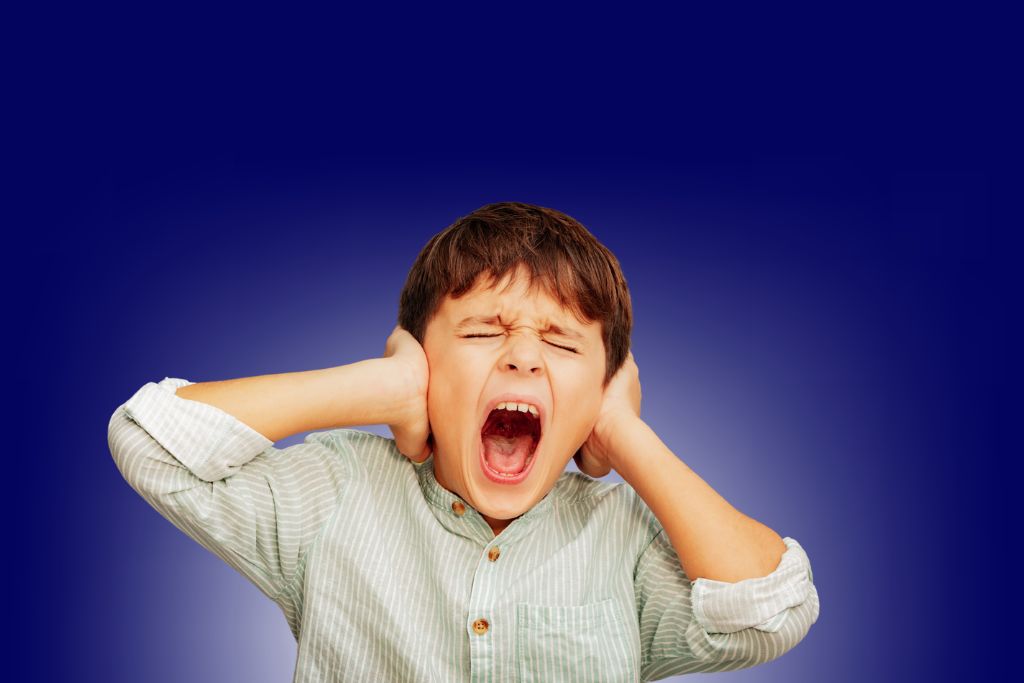
When kids melt down, shut down, or become rigid, it isn’t bad behavior—it’s a dysregulated brain calling for help. Self-regulation takes time and practice, and many kids today haven’t built the skills they need.
Kids struggle when:
Real-Life Example
A child who seems “fine” all day suddenly explodes over homework because their nervous system has been in survival mode for hours.
Kids need emotional visibility—meaning they’re allowed to feel all their feelings without shame. When we coach them through emotions instead of rescuing or minimizing, their stress tolerance grows.
Try:
Real-Life Example
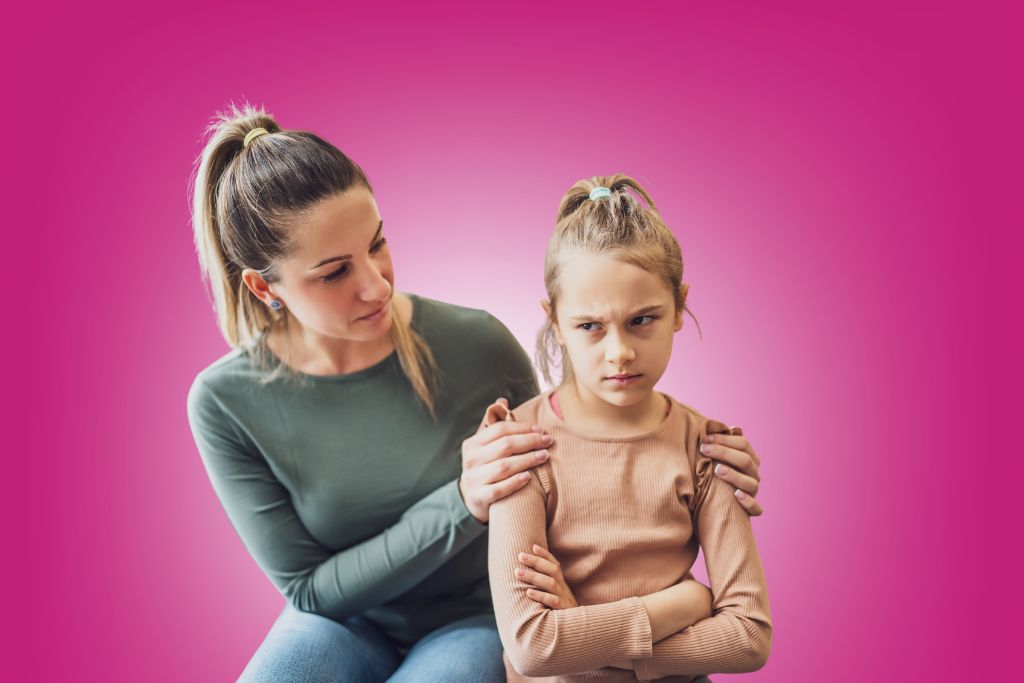
A teen slams their door. Instead of lecturing, you say, “I get that you’re overwhelmed. When you’re ready, let’s figure out what’s underneath that.”
Kids learn far more from how we handle stress than from what we tell them. Modeling calm—especially during conflict—teaches them that emotional storms pass.
Model by:
When parents regulate, kids borrow that calm through co-regulation. Remember: Behavior is communication, and your response teaches them what safety feels like.
You don’t have to figure this out alone. Become a Dysregulation Insider VIP and get your FREE Regulation Rescue Kit: How to Stay Calm When Your Child Pushes Your Buttons and Stop Oppositional Behaviors. Head to www.drroseann.com/newsletter and start your calm parenting journey today.
Yes—but the right amount. Shielding kids from all stress makes their nervous system fragile. Controlled, age-appropriate stress teaches them grit, adaptability, and problem-solving.
Healthy stress might look like:
We avoid extreme stress, but manageable challenges build a growth mindset and confidence.
Before skills can stick, the brain must be calm enough to learn. That’s why we always say, “Let’s calm the brain first.”
Helpful tools:
When emotional storms become chronic, alternative interventions like neurofeedback and dietary changes support healthier brain function—without relying solely on medication.
🗣️ “Kids can’t learn coping skills in a dysregulated state, so we have to calm the brain first before expecting them to make better choices.” — Dr. Roseann
Building self-regulation requires consistent daily routines that strengthen the nervous system and coping skills.
Try these at home:
Parent example: A child who struggled with homework became calmer and more focused after incorporating a 10-minute movement break and a protein snack into their after-school routine.
Children learn emotional control by watching adults model calm, flexible responses. Co-regulation strengthens self-regulation skills over time.
How to model effectively:
Parent tip: When your calm nervous system meets a dysregulated child, their brain mirrors that state, making skill-building possible.
Self-regulation isn’t built in a day, but with calm modeling, emotional coaching, and brain-based tools, your child can learn to handle stress and bounce back.
Every explosive reaction is just a nervous system asking for help. Learn exactly how to answer that call in The Dysregulated Kid.
Start by co-regulating—stay calm, use a soft voice, and help them breathe. Skills come later.
No. Dysregulation signals a stressed nervous system, not a lack of discipline.
Absolutely. Their brains are highly changeable with practice and support.
Moderate, age-appropriate stress builds resilience, while extreme stress overwhelms.
When your child is struggling, time matters.
Don’t wait and wonder—use the Solution Matcher to get clear next steps, based on what’s actually going on with your child’s brain and behavior.
Take the quiz at www.drroseann.com/help
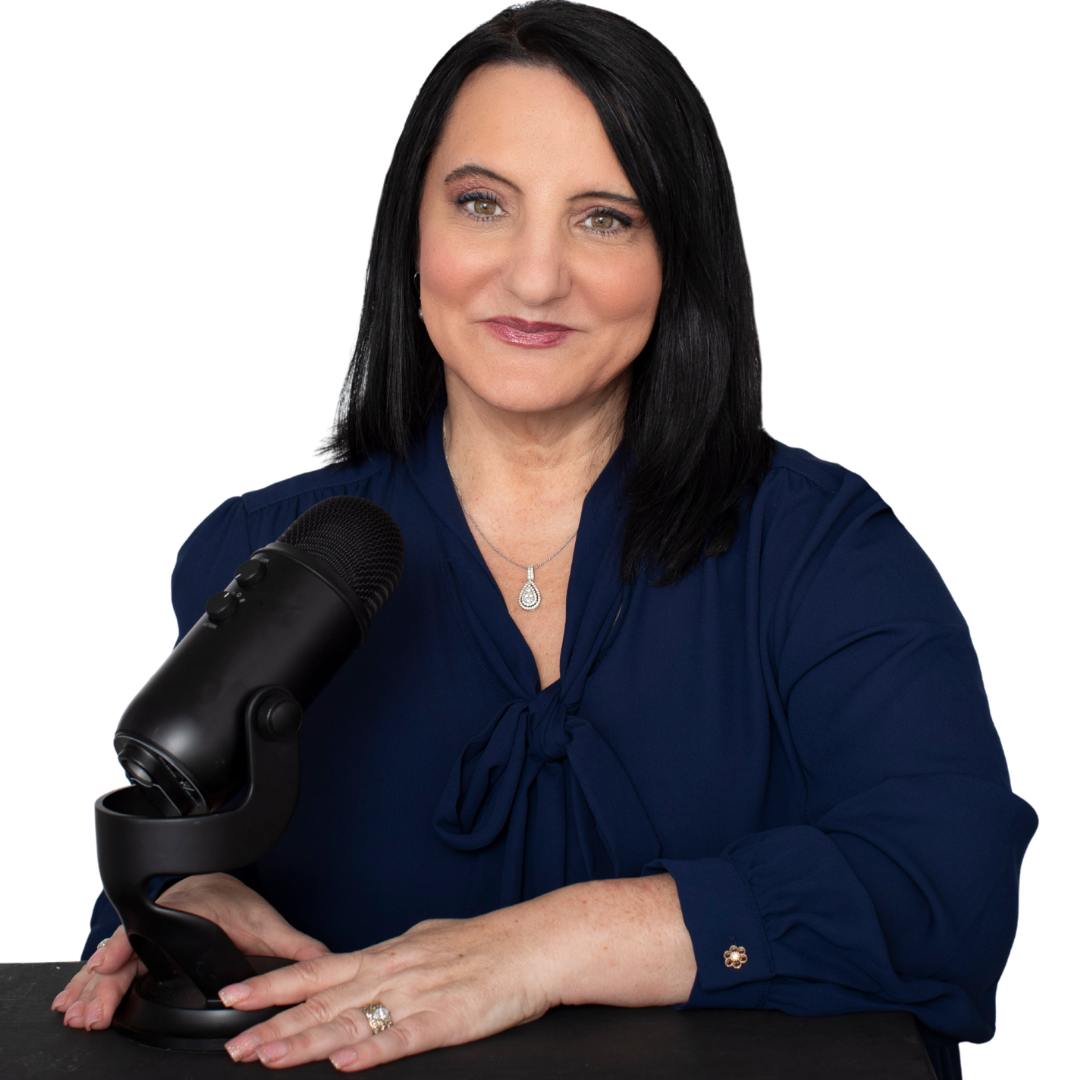
Dr. Roseann Capanna-Hodge is a licensed therapist, certified school psychologist, and leading expert in emotional dysregulation in children. With over 30 years of experience, she helps parents understand the root causes of meltdowns, anxiety, ADHD, and challenging behavior through the lens of nervous system regulation. Dr. Roseann teaches practical, science-backed strategies for co-regulation and how to calm a dysregulated child using her Regulation First Parenting™ approach. She is the host of the Dysregulated Kids Podcast and author of The Dysregulated Kid.
Dr. Roseann Capanna-Hodge
Emotional Dysregulation in Children & Nervous System Expert
Regulation First Parenting™ | CALMS Protocol™
Host of the Dysregulated Kids Podcast (Top 1% Globally)
Author of The Dysregulated Kid