
%20.png)


Contents

Emetophobia is an intense fear of vomiting that can significantly disrupt daily life. As a therapist, I have worked with many children, teens and adults affected with this affliction that always seems to lead to intrusive thoughts and rituals.With intense worries, moving from a phobia to Obsessive Compulsive Disorder (OCD) is a common path that deepens the fear of vomiting and often leads to related intrusive thoughts and rituals. Sometimes it creeps in slowly and other times it can be a sudden onset leaving parents worried and perplexed. I always recommend a deeper exploration of the root cause with a sudden onset and the ruling out of PANS/PANDAS or some traumatic event.I see time and time again that a better understanding of Emetophobia, root causes and treatment options helps parents to get the right treatment of their children.
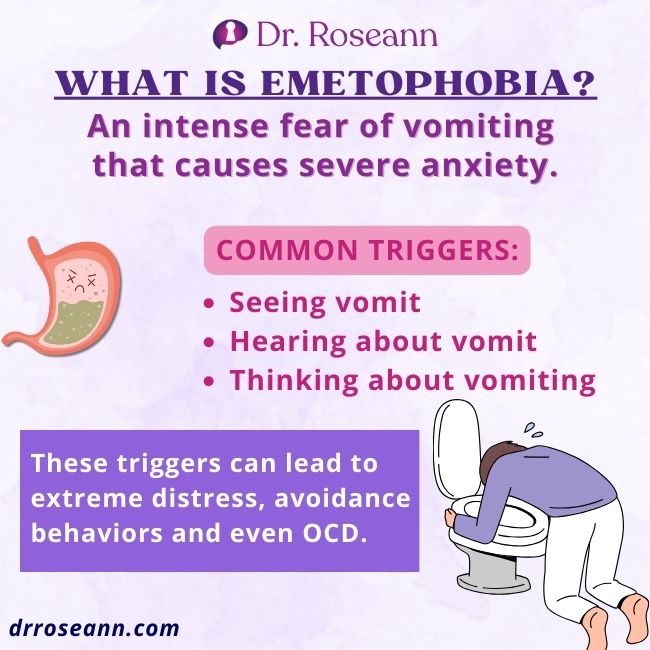
What Is Emetophobia?
Emetophobia is an intense fear of vomiting, seeing vomit, or witnessing others vomit. This particular phobia extends beyond simple discomfort, taking the form of severe anxiety over any aspect related to vomiting. For individuals dealing with this condition, even the mere thought of vomit can incite extreme fear, result in panic attacks or lead to OCD.This phobia often leads to significant distress and avoidance behaviors. Daily life can become a minefield of potential triggers, causing individuals to steer clear of situations where vomiting might occur.The fear is irrational but powerful because of the negative behavioral association formed in the brain. It often limits our ability to engage in normal activities, leading to social isolation and a constant state of anxiety, especially when I see as a therapist that understanding of Emetophobia and proper treatment can be scare.
Causes of Emetophobia
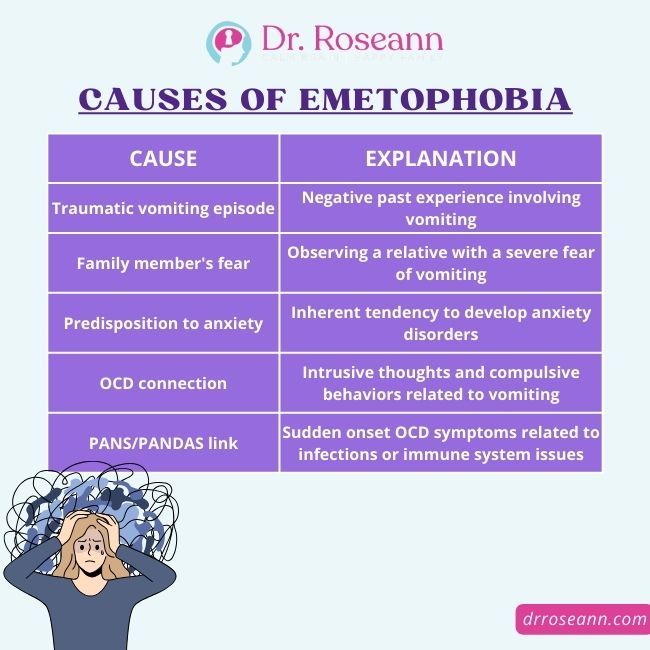
The onset of emetophobia is multifaceted, resulting from a mix of various factors. For many, it begins with a negative experience, such as a traumatic vomiting episode. These early experiences can leave a lasting impression, creating a deep-seated fear that persists into adulthood. Observing a family member with a severe fear of vomiting can also contribute to the development of this phobia.Additionally, a predisposition to anxiety disorders or OCD can play a significant role. Those of us who are naturally more anxious or have other anxiety disorders are more susceptible to developing emetophobia. This fear can also be a form of OCD, where intrusive thoughts about vomiting become overwhelming. Getting to the root causes is critical in treating emetophobia effectively.
Common Symptoms of Emetophobia
Emetophobia presents a wide range of symptoms, many of which can be debilitating.Common Emetophobia symptoms include:
- Nausea
- Difficulty breathing
- Panic attacks
- Somatic symptoms
- Intense fear and physical distress
- Self-replicating cycle of fear and nausea
- Avoidant behaviors of situations or foods
- Food restriction due to fear of vomiting
For many people with emetophobia, the fear of vomiting creates a self-replicating cycle where the fear itself can cause nausea, which in turn increases the fear of vomiting.Behavioral symptoms are just as impactful as physical symptoms. Individuals with emetophobia may develop obsessive checking behaviors, such as constantly inspecting food for expiration dates or avoiding certain foods altogether. This obsessive behavior extends to monitoring one’s health excessively to avoid any signs of nausea.Just the thought of throwing up can make one feel anxious. These emetophobic symptoms and co-occurring obsessions and compulsions can significantly disrupt daily life, making it challenging to enjoy normal activities.
Impact on Daily Life
Emetophobia profoundly affects daily life. Social isolation is a common consequence, as individuals avoid situations where vomiting might occur. This can include avoiding social gatherings, crowded places, or even public transportation due to the fear of not being able to find a bathroom in time. The fear of vomiting can make it difficult to participate in normal social activities, leading to a sense of loneliness and isolation.Eating habits are often severely affected. People with emetophobia might:
- Avoid eating out or trying new foods due to the fear of food poisoning
- Develop restrictive eating habits and avoiding certain food, impacting physical health and overall well-being
- Experience constant vigilance to avoid potential triggers, which can be exhausting and overwhelming
- Can develop obsessive-compulsive worries about food being contaminated or having germs
These factors can negatively affect mental and physical health, as well as day-to-day activities.
Connection with Obsessive Compulsive Disorder
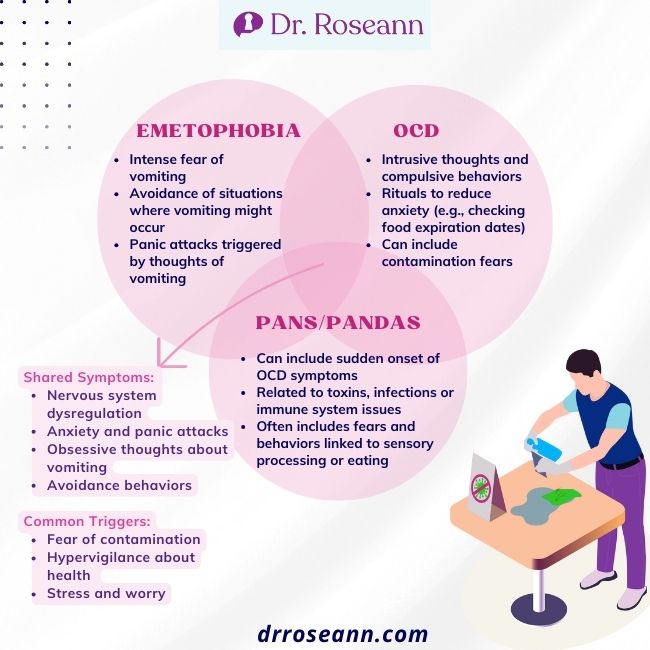
Emetophobia often has connections with obsessive compulsive disorder (OCD)or anxiety disorders like social anxiety and generalized anxiety disorder.While emetophobia is distinct from OCD, there are significant overlaps in symptoms, including obsessive thoughts and compulsive behaviors related to contamination fears. For instance, a heightened vigilance towards anything that could potentially cause nausea or vomiting is common among those with emetophobia.The co-occurrence of emetophobia and OCD often leads to a broader range of triggers and more complex avoidance behaviors. Individuals may develop compounded rituals to manage their anxiety, such as mental rituals, contamination fears related to food, food restriction rituals, not touching surfaces or excessively washing hands, which can further exacerbate their condition.Understanding this connection is crucial for effective Emetophobia and OCD treatment. Exposure therapy such as Exposure and Response Prevention (ERP) is a powerful and effective treatment.

Emetophobia and OCD: How it Presents
Imagine a person with both emetophobia and OCD who has intrusive thoughts about getting sick from food. They might avoid eating out because they fear the food might make them vomit. This avoidance behavior is a direct result of their intense fear of vomiting and the potential triggers associated with it.In addition, they might repeatedly check expiration dates, wash fruits and vegetables excessively, and avoid certain foods altogether. This obsessive checking behavior is a hallmark of OCD and reinforces the vicious cycle of anxiety and avoidance.These intertwined and debilitating mental health conditions can impact daily life, especially without proper care.
Connection with PANS/PANDAS
Emetophobia can also be linked to medical conditions like PANS (Pediatric Acute-onset Neuropsychiatric Syndrome) and PANDAS (Pediatric Autoimmune Neuropsychiatric Disorders Associated with Streptococcal infections). These conditions can cause sudden onset OCD symptoms, which may include fears related to vomiting.A comprehensive treatment approach necessitates an understanding of the link between emetophobia and PANS/PANDAS. These medical conditions can exacerbate the severity of emetophobic symptoms, making it even more challenging to manage without proper medical intervention.
Treatment Options for Emetophobia
Luckily, emetophobia can be treated with a variety of available options. One of the most effective treatments is exposure therapy, which involves gradually exposing oneself to vomit-related stimuli under the guidance of a therapist. This method helps to desensitize individuals and reduce their anxiety over time.Cognitive Behavioral Therapy (CBT) is another highly recommended treatment that focuses on challenging and changing negative thoughts and beliefs related to vomiting. And when exposure therapy and CBT are combined, it is ERP Therapy.For those seeking alternative approaches, natural remedies such as supplements can help calm the nervous system and manage anxiety.Some beneficial natural remedies for reducing anxiety, OCD and emetophobic symptoms include:
- Supplements
- Neurofeedback
- PEMF
- Breathwork
Each treatment option offers a different approach to managing and overcoming specific phobias, but it is critical to calm the nervous system and address the behaviors.
Exposure Therapy
Exposure therapy is a method that involves collaborating with a therapist to face the fear of vomiting gradually. This can start with less intimidating activities, such as saying or hearing the word ‘vomit’, and gradually progress to more challenging exposures. Over time, this method helps to desensitize the individual to the feared stimuli, reducing their anxiety and avoidance behaviors.In some cases, final steps in exposure therapy might involve simulated vomiting with textured food, helping patients face their fear head-on in a controlled and safe environment. This gradual and systematic approach makes exposure therapy a powerful tool in treating emetophobia.
Cognitive Behavioral Therapy (CBT)
Cognitive Behavioral Therapy (CBT), a treatment backed by scientific evidence, aims at altering negative thought patterns. For emetophobia, CBT often includes Exposure and Response Prevention (ERP), which helps patients face their fears without resorting to avoidance or compulsive behaviors. This process, known as emetophobia treatment, involves discussing the history of the fear and identifying why it causes such intense anxiety.Therapists experienced in emetophobia can teach patients how their thinking processes work and guide them in challenging unhelpful thoughts. By addressing both the cognitive and behavioral aspects of the phobia, CBT can provide long-term relief and improved mental health.
Natural Remedies for Emetophobia
For those who prefer natural approaches, various supplements can help manage emetophobia symptoms. Some supplements that can be beneficial in managing anxiety and the fear of vomiting are:
These supplements are known to calm the nervous system and reduce anxiety, providing an extra layer of support in managing emetophobia symptoms.Incorporating these natural remedies into daily routines can help alleviate some of the physical and emotional distress associated with emetophobia. While they may not replace traditional therapies entirely, they can complement them effectively.
Lifestyle Changes to Manage Emetophobia
Adopting specific lifestyle modifications can also significantly contribute to managing emetophobia. Here are some lifestyle changes that can help:
- Maintaining a nutritious and anti-inflammatory diet is essential for overall mental health and can help mitigate anxiety.
- Getting adequate rest is equally important, as lack of sleep can exacerbate anxiety symptoms.
- Regular exercise has been shown to reduce anxiety and improve mental health, making it a vital component of any management plan.
Learning stress tolerance and coping skills is another critical aspect of managing emetophobia. Techniques taught in CBT, such as challenging faulty assumptions and thoughts, can be particularly effective in reducing anxiety. Incorporating these lifestyle changes can significantly improve the quality of life for those struggling with this phobia.
Seeking Professional Help for Emetophobia
It’s vital to seek professional assistance for the effective management of emetophobia. While it can be challenging to find a therapist experienced in treating this specific phobia, it is essential for alleviating the distress it causes. Emetophobia is often misdiagnosed or treated as other phobias due to limited research and awareness in the medical community.Parents seeking treatment for children with emetophobia may find it particularly difficult, as the child might be afraid to discuss their fear of vomiting. Specialized programs that focus on emetophobia and OCD symptoms can provide significant relief through methods like exposure therapy. In my three decades of clinical experience, I know that professional guidance is key to overcoming this phobia and improving mental health.
Real-Life Stories
Aimee struggled with emetophobia, OCD and PANS. As part of her treatment in our BrainBehaviorReset Program, she compiled a list of things related to vomiting that scared her and worked through it by gradually exposing herself to vomit-related stimuli. Over time, by looking at pictures, listening to sounds, and facing her fear head-on, she slowly learned to cope with the extreme discomfort and fear these stimuli generated.Aimee’s journey didn’t stop there. Through ERP therapy, she was able to tolerate being in a room with someone coughing, a significant step forward from her earlier state. When you work with a highly experienced professional, exposure therapy with persistence of the child and family is paramount in overcoming emetophobia.
What is Next in Dealing with Emetophobia
Understanding emetophobia and its causes, such as negative childhood experiences, a predisposition to anxiety disorders, and PANS/PANDAS, helps in realizing how deeply rooted this fear can be. Recognizing the common symptoms, including nausea, panic attacks, and obsessive checking behaviors, is crucial for identifying and addressing this condition.Treatment options, such as exposure therapy and cognitive behavioral therapy (CBT), offer effective ways to manage and overcome emetophobia. Natural remedies and lifestyle changes can further support recovery. Seeking professional help is essential, even though finding a therapist experienced in treating emetophobia can be challenging.Want to know what the #1 thing you can do to improve your child’s intrusive thoughts about throwing up? Then take our OCD quiz that will take you on the right path to proven ways to regulate the brain and behavior.Remember, with the right support and strategies, it is possible to overcome emetophobia and lead a fulfilling life.

Key Takeaways
- Emetophobia is an intense and irrational fear of vomiting that can significantly impact daily life, leading to social isolation and constant anxiety.
- The phobia often stems from negative childhood experiences and can be associated with other conditions like OCD and anxiety disorders.
- Effective treatment options include exposure therapy, Cognitive Behavioral Therapy (CBT), ERP, and lifestyle changes, often supplemented with natural remedies like magnesium and vitamin D.
What is emetophobia?
Emetophobia is an intense fear of vomiting, seeing vomit, or witnessing others vomit. It can cause significant distress and lead to avoidance behaviors.
What causes emetophobia?
Emetophobia can develop due to negative childhood experiences, observing a family member’s fear of vomiting, or a predisposition to anxiety disorders or OCD. It’s often a combination of these factors.
What are the common symptoms of emetophobia?
The common symptoms of emetophobia include nausea, difficulty breathing, panic attacks, and obsessive checking behaviors related to food and health. These symptoms can significantly impact daily life.
How can emetophobia be treated?
Seek professional help from a therapist experienced in treating emetophobia, and consider treatment options such as exposure therapy, cognitive behavioral therapy (CBT), and natural remedies or supplements. Professional guidance is crucial for effective treatment.
How does emetophobia impact daily life?
Emetophobia can lead to social isolation, avoidance of public spaces, and restrictive eating habits, significantly disrupting daily activities and overall well-being. It can greatly impact the individual’s quality of life.Dr. Roseann is a mental health expert in OCD and Anxiety who frequently is in the media:
- What if it's Not Depression (Video) Anxiety, OCD and Trichotillomania
- Epidemic Answers Neurofeedback for ADHD, Anxiety, OCD and Mood
- Epidemic Answers: Neurofeedback for ADHD, anxiety, OCD and mood
- Cai Grahm: Is it anxiety or OCD?
Always remember... “Calm Brain, Happy Family™”
Disclaimer: This article is not intended to give health advice and it is recommended to consult with a physician before beginning any new wellness regime. *The effectiveness of diagnosis and treatment vary by patient and condition. Dr. Roseann Capanna-Hodge, LLC does not guarantee certain results.
Are you looking for SOLUTIONS for your struggling child or teen?
Dr. Roseann and her team are all about science-backed solutions, so you are in the right place!
Dr. Roseann is a Children’s Mental Health Expert and Licensed Therapist who has been featured in/on hundreds of media outlets including The Mel Robbins Show, CBS, NBC, PIX11 NYC, Today, FORBES, CNN, The New York Times, The Washington Post, Business Insider,Women’s Day, Healthline, CNET,Parade Magazine and PARENTS. FORBES called her, “A thought leader in children’s mental health.”

She coined the terms, “Re-entry panic syndrome” and “eco-anxiety” and is a frequent contributor to media on mental health.Dr. Roseann Capanna-Hodge has three decades of experience in working with children, teens and their families with attention-deficit hyperactivity disorder (ADHD), autism, concussion, dyslexia and learning disability, anxiety, Obsessive Compulsive Disorder (OCD), depression and mood disorder, Lyme Disease, and PANS/PANDAS using science-backed natural mental health solutions such as supplements, magnesium, nutrition, QEEG Brain maps, neurofeedback, PEMF, psychotherapy and other non-medication approaches.She is the author of three bestselling books, It’s Gonna Be OK!: Proven Ways to Improve Your Child's Mental Health, The Teletherapy Toolkit, and Brain Under Attack. Dr. Roseann is known for offering a message of hope through science-endorsed methods that promote a calm brain.Her trademarked BrainBehaviorResetⓇ Program and It’s Gonna be OK!Ⓡ Podcast has been a cornerstone for thousands of parents facing mental health, behavioral or neurodevelopmental challenges.She is the founder and director of The Global Institute of Children’s Mental Health, Neurotastic™Brain Formulas and Dr. Roseann Capanna-Hodge, LLC. Dr. Roseann is a Board Certified Neurofeedback (BCN) Practitioner, a Board Member of the Northeast Region Biofeedback Society (NRBS), Certified Integrative Mental Health Professional (CIMHP) and an Amen Clinic Certified Brain Health Coach. She is also a member of The International Lyme Disease and Associated Disease Society (ILADS), The American Psychological Association (APA), Anxiety and Depression Association of America (ADAA) National Association of School Psychologists (NASP), International OCD Foundation (IOCDF).© Roseann-Capanna-Hodge, LLC 2024