%20.png)



Estimated reading time: 7 minutes
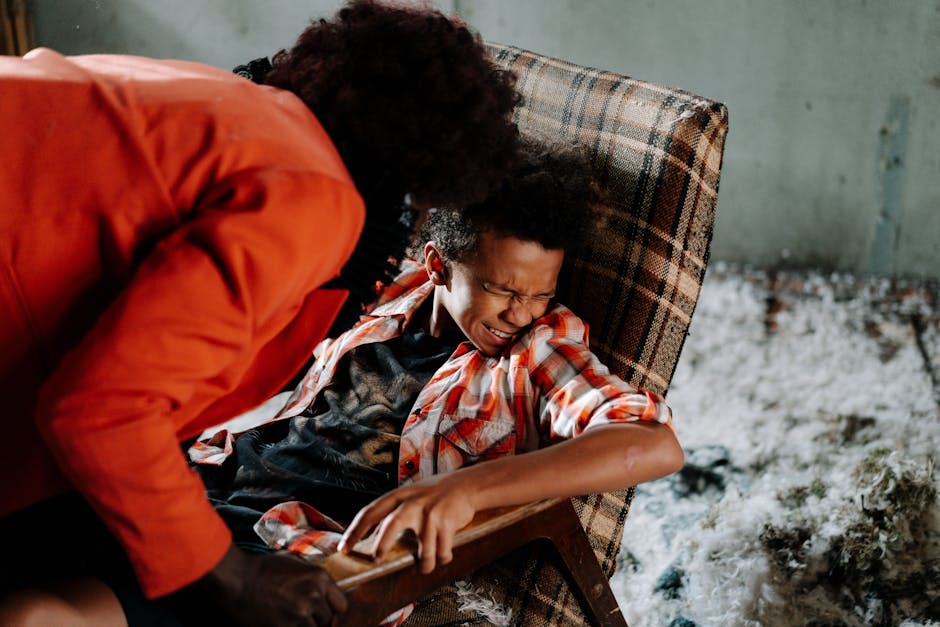
The regulation of emotion is the ability to notice, manage, and recover from big feelings, and it’s a skill kids build over time—not something they’re born knowing how to do. When a child struggles with the regulation of emotion, it’s not defiance—it’s a sign their nervous system is overwhelmed and needs support, not punishment.
In this post, you’ll learn what emotional regulation really means, why some kids have a harder time with it, and what science tells us about building true emotional resilience.
In this post, you’ll learn what emotional regulation really means, why some kids have a harder time with it, and what science tells us about building true emotional resilience.
What Is Regulation of Emotions in Kids?
Emotional regulation or “regulation of emotions” is a child’s ability to recognize, manage, and respond to feelings in healthy, adaptive ways. It’s what allows them to pause instead of punch, breathe instead of burst, and problem-solve instead of shut down.
It includes:
- Recognizing emotions (naming and labeling feelings)
- Managing emotions (calming strategies, impulse control)
- Responding appropriately (communicating needs or using coping tools)
For example, 8-year-old Liam often shouted when frustrated with homework. With coaching and consistent tools—like taking “brain breaks” and using visual calm-down cues—he learned to self-regulate, transforming homework time from chaos to calm.

Why Do Some Children Struggle More With Emotional Regulation?
Kids who have ADHD, anxiety, autism, OCD, or trauma histories often experience emotional dysregulation because their nervous systems are overactive and their brains process stress differently.
Environmental stressors, poor sleep, and lack of routine can also increase reactivity. When the brain’s stress response is triggered, kids literally lose access to the logical part of their brain (the prefrontal cortex), making reasoning impossible in the heat of the moment.
| Factor | Impact on Regulation | Parent Strategy |
|---|---|---|
| ADHD or anxiety | Heightened impulsivity | Use structured routines |
| Sensory overload | Meltdowns or withdrawal | Provide sensory breaks |
| Poor sleep | Lower emotional tolerance | Set consistent bedtime |
| Trauma | Hypervigilant or shut down | Create safety and predictability |
How Can Parents Teach Emotional Regulation Skills?
Teaching emotional regulation is about modeling calm, co-regulating, and building skills gradually—not expecting perfection.
Here’s what works:
- Name it to tame it: Help your child identify emotions before they escalate.
- Practice co-regulation: Stay calm and connected when they can’t.
- Create a calm-down plan: Use visuals, safe spaces, and routines.
- Use natural moments: Reflect on what went well after emotional moments.

What Does Science Say About Emotional Regulation and the Brain?
Research consistently shows that emotional regulation develops as neural pathways mature—particularly in the prefrontal cortex and amygdala, which control impulse and emotion.
A 2022 study in Developmental Cognitive Neuroscience found that children who regularly practiced mindfulness and self-regulation exercises showed greater activation in brain areas linked to attention and emotional control.
That means consistent, brain-based tools—like breathing, visualization, or sensory grounding—can literally reshape how your child’s brain responds to stress.
Brain Science Spotlight
Recent research from the University of Wisconsin-Madison (2023) found that children who engage in regular co-regulation and mindfulness practices show measurable decreases in amygdala reactivity—the part of the brain that fires during stress or fear.
Dr. Richard Davidson, lead author, noted: “Emotional regulation isn’t about suppressing feelings; it’s about learning to recover faster.”
What this means for your family: every time you help your child take a deep breath, you’re strengthening their brain’s ability to return to calm faster after distress.
Dr. Roseann’s Therapist Tip
In my 30+ years of clinical practice, I’ve learned that calm is contagious. Try this today: when your child is upset, lower your voice and match your breathing to theirs.
Why it works: This activates the parasympathetic nervous system—your body’s natural calming response.
Remember: Kids borrow our regulation before they can create their own.
How Can Parents Model Regulation at Home?
Children learn through observation. When parents manage frustration calmly, it teaches emotional safety.
Try these simple modeling habits:
- Narrate your emotions: “I’m feeling frustrated, so I’m going to take a break.”
- Use visual calm cues like “quiet hands” or “slow breath” reminders.
- Reinforce progress instead of perfection: “You calmed down faster this time—great job!”
When Should Parents Seek Professional Support?
If your child’s emotions consistently lead to aggression, anxiety attacks, or withdrawal, or if school and home life feel unmanageable, it’s time to get help.
Therapists trained in emotional regulation can teach personalized strategies and address underlying neurological or behavioral patterns.
FAQs
What are the first steps to teaching emotional regulation to kids?
The first steps to teaching emotional regulation to kids start with awareness—help your child name emotions and practice calming strategies like breathing or sensory tools before they’re overwhelmed.
How long does it take for kids to learn emotional regulation skills?
Kids learn emotional regulation skills over time, but with consistent daily practice, many children begin showing progress in about 4–6 weeks.
Can emotional regulation improve a child’s behavior at school?
Yes, emotional regulation can improve a child’s behavior at school by helping them focus, follow directions, and handle social challenges more calmly.
Do rewards or punishments help emotional regulation in children?
Rewards or punishments don’t build emotional regulation in children—emotional regulation develops through co-regulation, modeling calm, and repeated practice.
Is emotional dysregulation a sign of ADHD or anxiety in kids?
Emotional dysregulation can be a sign of ADHD or anxiety in kids because these conditions affect how the brain processes stress and emotions.
How can I help my child regulate emotions during a meltdown?
To help your child regulate emotions during a meltdown, stay calm, co-regulate with your presence, and use simple tools like deep breathing or grounding once they feel safe.
Citations:
Sansone, A. (2024). The central role of mindful parenting in child’s emotional regulation and human flourishing: A blueprint perspective. Frontiers in Psychology, 15. https://doi.org/10.3389/fpsyg.2024.1420588
Paley, B. (2022). Conceptualizing emotion regulation and coregulation as relational processes. Frontiers in Psychology. https://doi.org/10.1007/s10567-022-00378-4
The importance of parent self-regulation and parent–child co-regulation.” (2022). Child Development Perspectives. Wiley. https://doi.org/10.1111/cdep.12470
Dr. Roseann Capanna-Hodge is a licensed mental health expert that is frequently cited in the media:
- Exhausted to Extraordinary Parent (Video) How to Build a Resiliency Mindset In Your Child – In Just 7 Minutes
- Scary Mommy What Is Self-Regulation In Children, And How Can You Help Improve It?
- Healthline: Understanding Self-Regulation Skills Read more…
Always remember… “Calm Brain, Happy Family™”
Disclaimer: This article is not intended to give health advice and it is recommended to consult with a physician before beginning any new wellness regime. *The effectiveness of diagnosis and treatment vary by patient and condition. Dr. Roseann Capanna-Hodge, LLC does not guarantee certain results.
Are you looking for SOLUTIONS for your struggling child or teen?
Dr. Roseann and her team are all about science-backed solutions, so you are in the right place!
©Roseann Capanna-Hodge