Find Your Solution
In 3 minutes, you’ll know where to start ➤
%20.png)





Estimated reading time: 5 minutes
When your child is drowning in intrusive thoughts or endless questions, it can feel like nothing is working—and that fear sits heavy on your heart. You’re not alone. OCD is often labeled “treatment resistant OCD,” but the real story is far more hopeful. Many families facing treatment resistant OCD in children are simply missing the right tools and understanding.
In this episode, I break down why kids struggle to improve, how well-meaning parenting can accidentally reinforce OCD, and the brain-based, drug-free tools that truly make a difference. This is especially true when emotional dysregulation in children and nervous system overload are part of the picture.
You’ll learn why accurate diagnosis matters, how reinforcement wires OCD more deeply, and why Exposure and Response Prevention (ERP) works best when paired with nervous system regulation tools like neurofeedback and PEMF.
Many kids aren’t getting better because they were never given the right diagnosis in the first place. OCD symptoms often get mistaken for anxiety, ADHD, or even “behavioral issues,” which sends families down the wrong treatment path. When the diagnosis is off, the treatment is off—and that’s when OCD appears “resistant.” The issue is not resistance. It is a mismatch in treatment.
Key reasons OCD feels stuck:
Real-life Example: A parent sits with their child for hours answering repetitive “What if…?” questions. They’re trying to keep their child calm, but every answer acts like fuel, strengthening the intrusive thought cycle. This is how OCD strengthens itself over time.
It’s not bad parenting—it’s a dysregulated brain. And once we understand that, we can start making real progress.
Because OCD runs on reinforcement, which is a core driver of treatment resistant OCD—the more kids perform rituals or seek reassurance, the more their brain believes they need them to feel safe. It’s the “rich get richer” principle. The more a behavior is repeated, the stronger the neural pathway becomes. Here’s what’s really happening:
Think of it like a bad sleep pattern—you get used to it. OCD works the exact same way.
Parent Story: A child fears lightning and repeatedly asks, “Is it going to rain?” Every time mom reassures him, his worry briefly drops—but the baseline climbs. Soon, he needs even more reassurance to feel okay. A pattern parents never meant to build becomes a cycle the brain clings to. The brain is learning survival, not logic.
Become a Dysregulation Insider VIP and get your FREE Regulation Rescue Kit: How to Stay Calm When Your Child Pushes Your Buttons and Stop Oppositional Behaviors. Head to www.drroseann.com/newsletter and start your calm parenting journey today.
Kids with OCD can see their intrusive thoughts as if they’re real images, which is why intrusive thoughts in kids feel so overwhelming. That intensity is terrifying for them—and exhausting for you.
Intrusive thoughts trigger:
These aren’t “misbehaviors.” They’re signs of a hijacked nervous system trying to find safety. This is a nervous system response, not misbehavior. And that’s why calming the brain first is essential.
Yes—Exposure and Response Prevention (ERP) is the most effective treatment for OCD because it helps kids unlearn old habits and build healthier ones. But here’s the part most professionals skip: Kids do best when their nervous system is regulated first. When the brain is stuck in fight-or-flight, even ERP becomes overwhelming. That’s why tools like neurofeedback and PEMF help kids get calm enough to engage in ERP successfully.
ERP helps kids:
And even if your child has struggled for years, it’s not too late. There are solutions.

🗣️ “Once your child’s nervous system is in that activated state, even the right therapy can feel impossible. Let’s calm the brain first—because healing starts with regulation.” — Dr. Roseann
OCD isn’t hopeless, and your child isn’t “treatment resistant.” They simply need the right diagnosis, the right therapy, and a regulated brain to make progress. You’re not alone, and it’s gonna be OK.
Misdiagnosis, parent accommodation, and nervous system dysregulation often make OCD appear “treatment resistant.”
Yes. Reassurance temporarily lowers anxiety but strengthens the OCD cycle.
Yes. It supports brain regulation, making ERP easier and more effective.
Not sure where to start?
Take the guesswork out of helping your child. Use our free Solution Matcher to get a personalized plan based on your child’s unique needs—whether it’s ADHD, anxiety, mood issues, or emotional dysregulation. In just a few minutes, you'll know exactly what support is right for your family.
Start here: www.drroseann.com/help
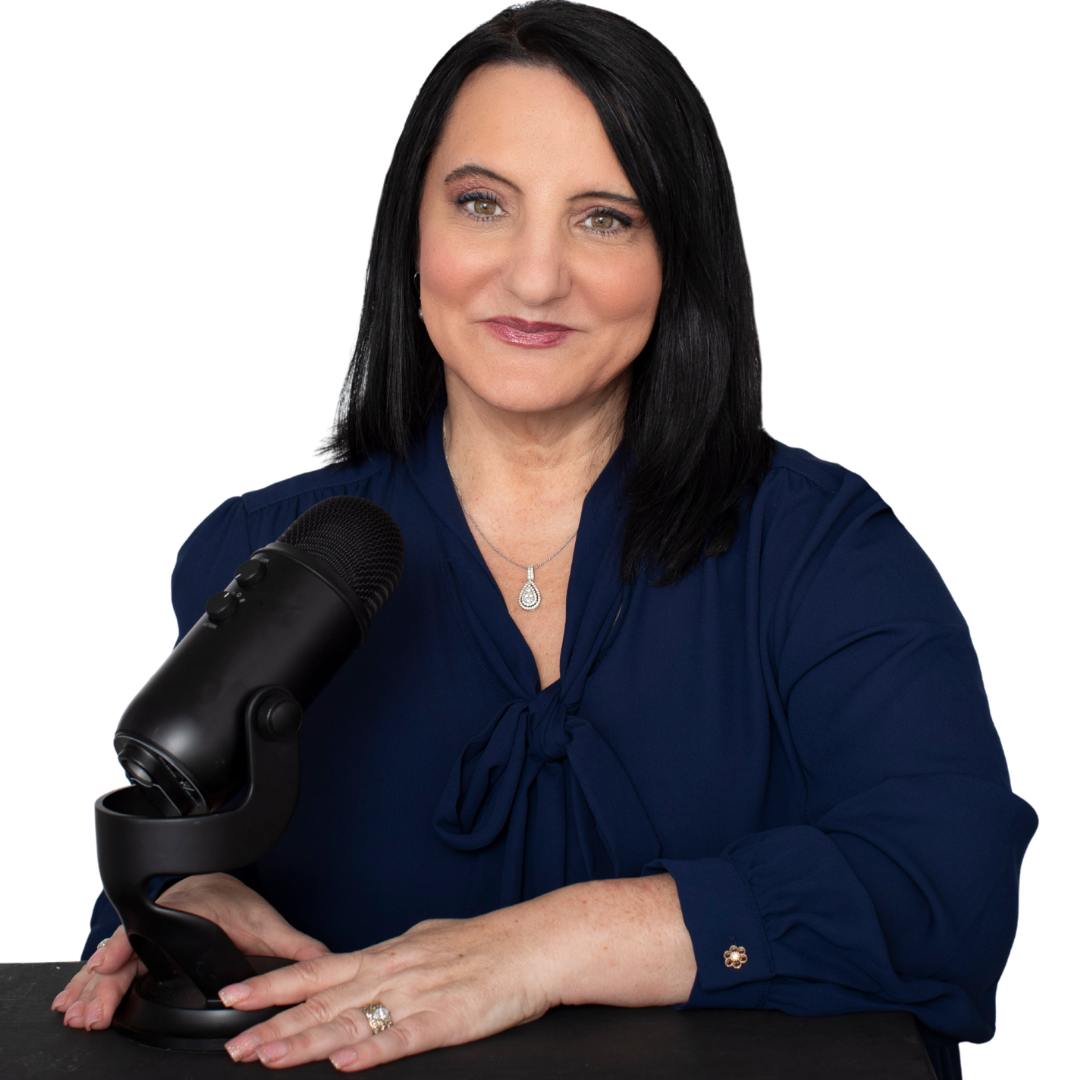
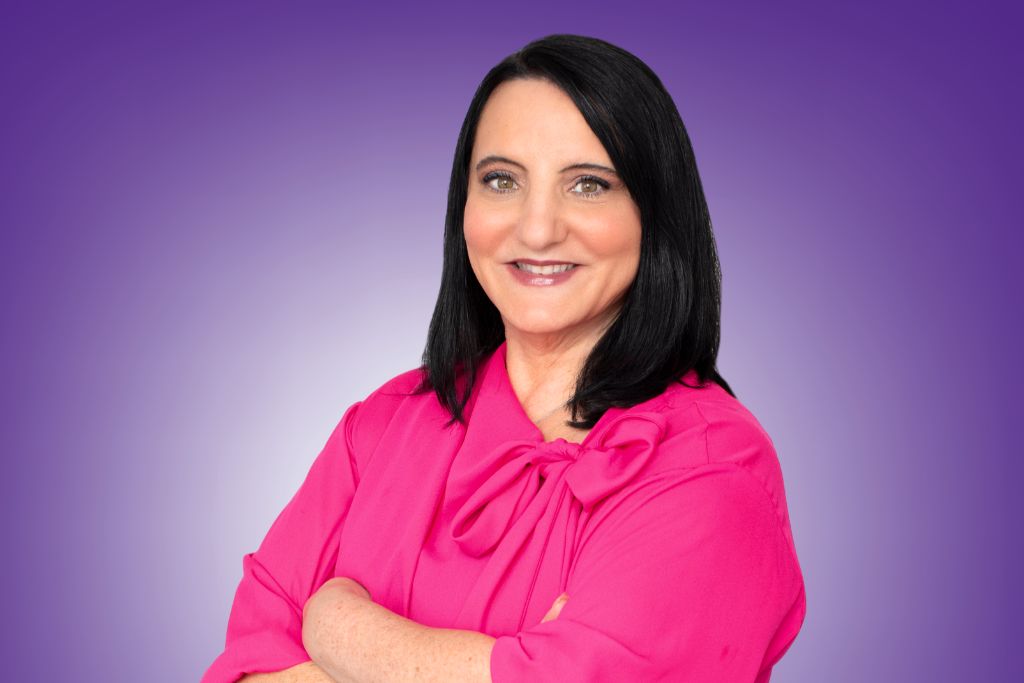
Dr. Roseann Capanna-Hodge is a licensed therapist, certified school psychologist, and leading expert in emotional dysregulation in children. With over 30 years of experience, she helps parents understand the root causes of meltdowns, anxiety, ADHD, and challenging behavior through the lens of nervous system regulation. Dr. Roseann teaches practical, science-backed strategies for co-regulation and how to calm a dysregulated child using her Regulation First Parenting™ approach. She is the host of the Dysregulated Kids Podcast and author of The Dysregulated Kid.
Dr. Roseann Capanna-Hodge
Emotional Dysregulation in Children & Nervous System Expert
Regulation First Parenting™ | CALMS Protocol™
Host of the Dysregulated Kids Podcast (Top 1% Globally)
Author of The Dysregulated Kid