Find Your Solution
In 3 minutes, you’ll know where to start ➤
%20.png)





Estimated Reading Time: 8 minutes
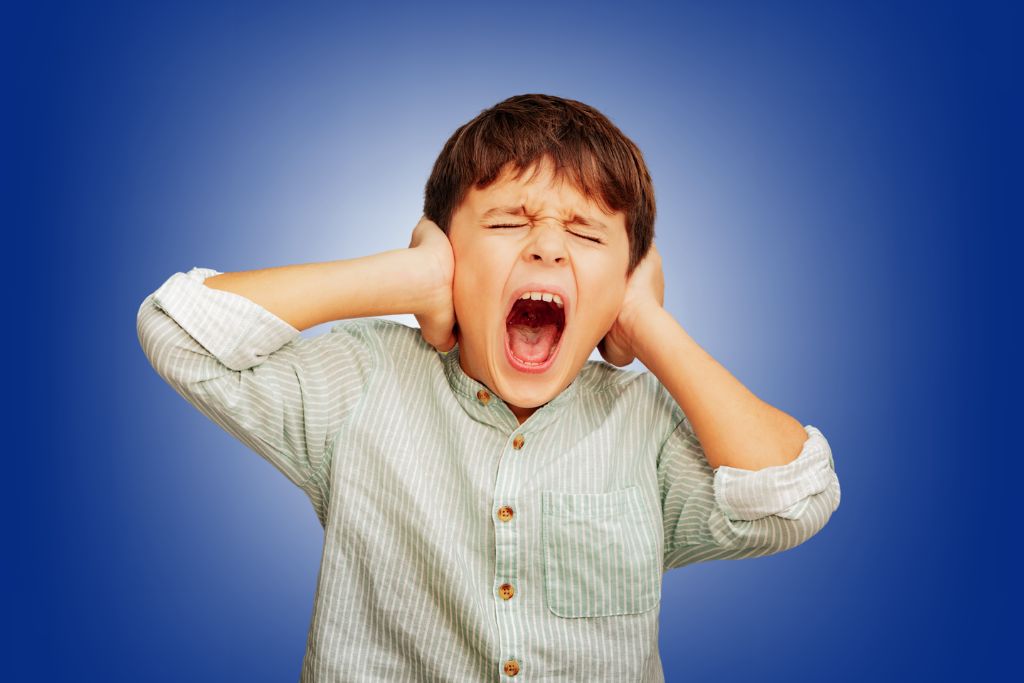
If you feel like you repeat yourself all day long only to hear “Huh?” or get completely ignored, you’re not alone. Understanding why kids don’t listen starts with understanding the nervous system. In this episode, I break down how listening is a brain-based skill, why emotional dysregulation in children affects attention and follow-through, and what parents can do to help kids actually hear and process directions.
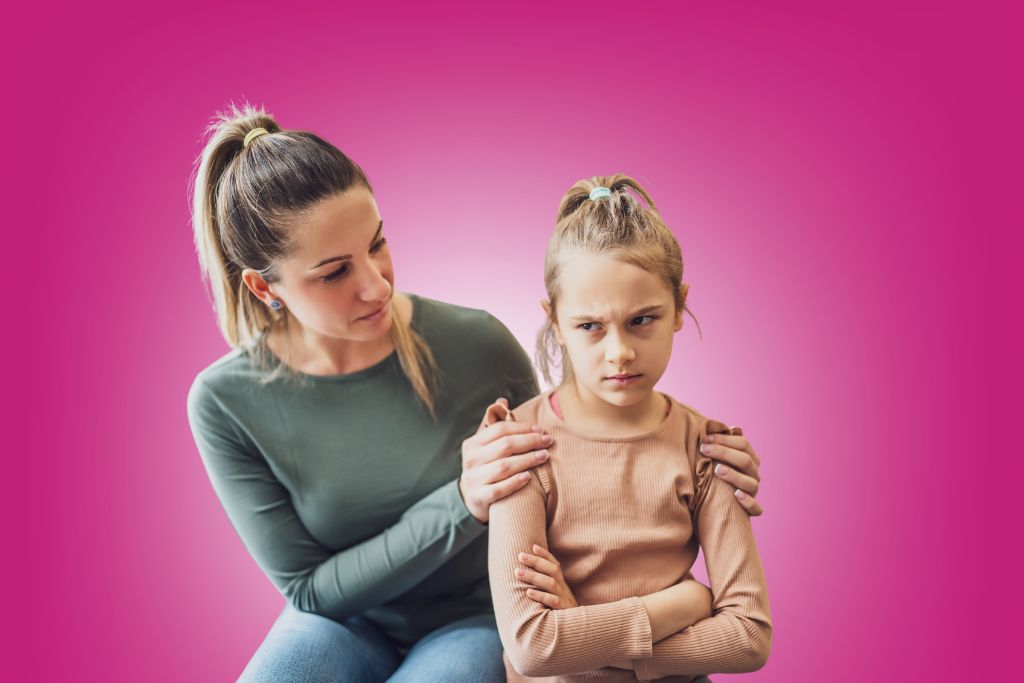
You ask your child to put their shoes on.
Nothing.
You repeat it louder.
Still nothing.
By the third or fourth time, you’re frustrated, your child is overwhelmed, and the whole house feels chaotic.
Sound familiar?
Most parents assume kids aren’t listening because they’re being defiant or disrespectful.
But many times, what’s really happening is this:
The brain is overloaded.
When kids are distracted, anxious, dysregulated, overstimulated, or struggling with executive functioning, instructions literally don’t “land” the way parents expect them to.
That’s why we always start here:
“Let’s calm the brain first.”
Because a regulated brain listens better.
Listening is not automatic.
It’s a developmental skill that depends on attention, processing speed, executive functioning, emotional regulation, and nervous system balance.
When kids are dysregulated, distracted, anxious, or overwhelmed, their brains struggle to process verbal input efficiently.
You tell your child:
“Put your backpack away, wash your hands, and start homework.”
Your child walks straight past the backpack and starts playing with the dog.
That doesn’t always mean defiance.
It may mean the brain only processed the first few words before becoming distracted.
Behavior is communication.
And many kids who “don’t listen” actually struggle with processing and regulation.
Before giving directions, connect first.
A dysregulated brain cannot process complex language.
“Go upstairs, brush your teeth, get pajamas on, and clean up your room.”
“Please put your pajamas on.”
Then pause.
Small, clear steps reduce cognitive overload.
A parent notices their child ignores directions from across the room.
When they begin walking over, making eye contact, and using fewer words, compliance improves dramatically.
That’s not manipulation.
That’s nervous system support.
Absolutely.
Kids with ADHD, anxiety, OCD, autism, learning differences, sensory processing issues, or executive functioning challenges often struggle with listening and follow-through.
And many parents blame themselves when it’s actually a brain-based issue.
When a child’s brain is flooded with anxiety, intrusive thoughts, or sensory overwhelm, they may appear inattentive or oppositional.
But internally?
Their nervous system is overloaded.
It’s not bad parenting.
It’s a dysregulated brain.
If concerns are persistent, it’s important to consult with a qualified professional.
This is one of the simplest but most powerful parenting shifts.
Pause.
Many children need 3–5 seconds to process language before responding.
Parents often repeat directions too quickly, which actually overwhelms the brain further.
This strengthens:
Instead of repeating:
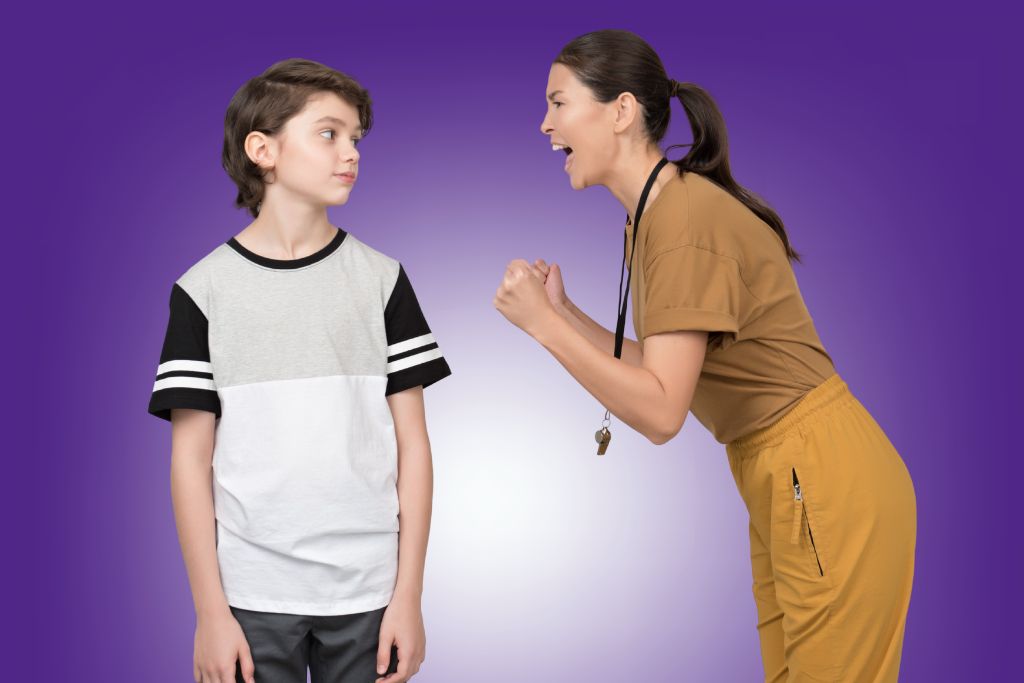
“Brush your teeth! Brush your teeth! BRUSH YOUR TEETH!”
Try:
“Please brush your teeth.”
Pause.
Then calmly ask:
“What’s the plan?”
This builds active listening skills without escalating stress.
When your child is dysregulated, it’s easy to feel helpless. The Regulation Rescue Kit gives you the scripts and strategies you need to stay grounded and in control. Become a Dysregulation Insider VIP at www.drroseann.com/newsletter and get your free kit today.
Some children have sensory or medical issues that affect listening.
This can include:
A child constantly says “What?” despite normal hearing tests.
Later, parents discover sensory overload and anxiety were interfering with auditory processing.
Once nervous system regulation improved, listening improved too.
Listening improves when the nervous system feels safe and regulated.
That’s why mindfulness, movement, co-regulation, sleep, and sensory regulation all matter.
Try a “sound scavenger hunt.”
Go outside and ask your child to identify:
This strengthens auditory attention in a low-stress, nervous-system-friendly way.
“Active listening is a process where you’re engaged and mindful and kids get better at it when we model presence and give them time to process.” — Dr. Roseann
Listening is not about “trying harder.”
It’s a developmental, brain-based skill that grows through regulation, modeling, repetition, and connection.
When we calm the brain first, kids gain access to:
Start small:
You’re not failing.
And your child isn’t trying to ignore you.
Their nervous system may simply need more support.
Many kids struggle with auditory processing, attention, executive functioning, or nervous system overload, which makes directions harder to process.
No. Anxiety, ADHD, sensory overload, and dysregulation often interfere with listening and follow-through.
Get attention first, give one short direction at a time, pause, and ask your child to repeat it back.
Absolutely. ADHD impacts working memory, processing speed, attention, and executive functioning.
Teach the skill first. Calm the nervous system, simplify directions, and support regulation before moving to consequences.
Not sure where to start?
Feel like you’ve tried everything and still don’t have answers? The Solution Matcher helps you find the best starting point based on your child’s symptoms and history. It’s fast, free, and based on decades of clinical expertise.
Start here: www.drroseann.com/help
Dr. Roseann Capanna-Hodge is a licensed therapist, certified school psychologist, and leading expert in emotional dysregulation in children. With over 30 years of experience, she helps parents understand the root causes of meltdowns, anxiety, ADHD, and challenging behavior through the lens of nervous system regulation. Dr. Roseann teaches practical, science-backed strategies for co-regulation and how to calm a dysregulated child using her Regulation First Parenting™ approach. She is the host of the Dysregulated Kids Podcast and author of The Dysregulated Kid.
Dr. Roseann Capanna-Hodge
Emotional Dysregulation in Children & Nervous System Expert
Regulation First Parenting™ | CALMS Protocol™
Host of the Dysregulated Kids Podcast (Top 1% Globally)
Author of The Dysregulated Kid