Find Your Solution
In 3 minutes, you’ll know where to start ➤
%20.png)





Estimated Reading Time: 7 minutes
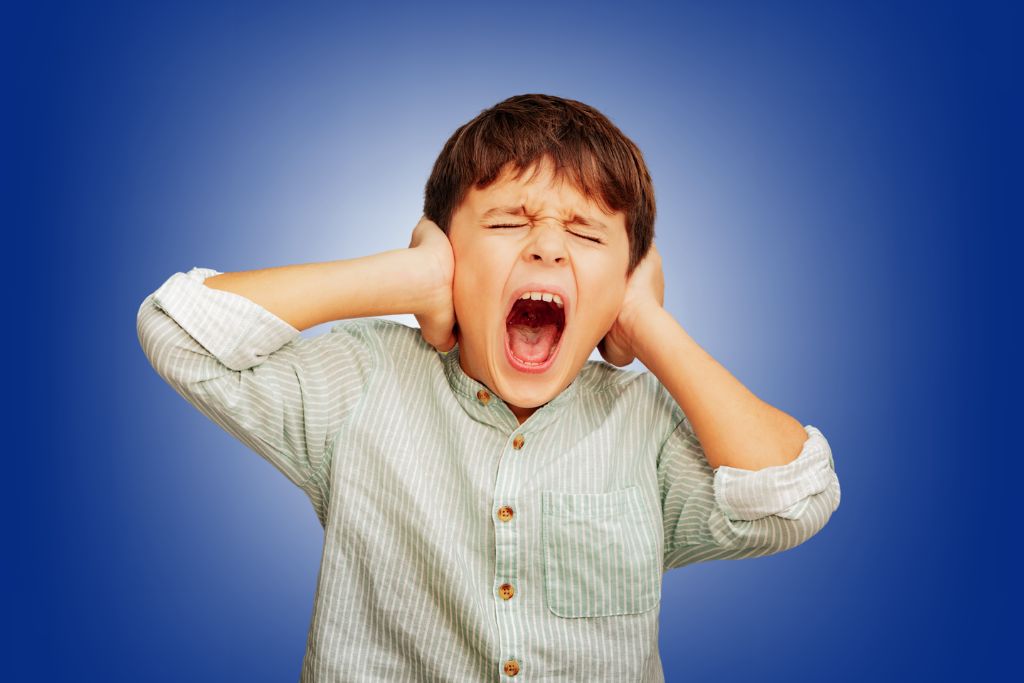
When your child suddenly changes overnight—becoming anxious, rigid, emotional, aggressive, or fearful—it can feel terrifying. One day they seem fine, and the next, it feels like you don’t recognize your child anymore.
You’re not alone. And your child is not choosing this behavior.
PANS and PANDAS are often misunderstood conditions that can dramatically impact a child’s mood, learning, behavior, and nervous system functioning. In this episode, I explain the difference between PANS vs PANDAS, the warning signs parents should never ignore, and why calming the brain first is essential for healing.
Because behavior is communication. And when kids suddenly change, their nervous system is telling us something important.
One of the hallmark signs of PANS/PANDAS is sudden onset.
Parents often describe a dramatic shift where a previously happy, functioning child suddenly develops:
These changes are not random.
They’re often triggered by infections, inflammation, toxins, mold exposure, or tick-borne illnesses that create brain inflammation and nervous system dysregulation.
A child who loved school suddenly refuses to leave the house after a viral illness. Another child abruptly loses reading skills and develops intense fears around contamination.
This is why I always tell parents:
A sudden onset mental health issue is not normal.
It’s not bad parenting. It’s a dysregulated, inflamed brain.
This is one of the most confusing parts for families.
While the symptoms can overlap, the triggers are different.
PANDAS stands for:
Pediatric Autoimmune Neuropsychiatric Disorders Associated with Streptococcal Infections
PANDAS:
PANS stands for:
Pediatric Acute-onset Neuropsychiatric Syndrome
PANS is broader and more complex.
PANS can be triggered by:
PANS can also occur in:
PANDAS is triggered specifically by strep.
PANS includes multiple possible triggers and underlying inflammatory causes.
If your child has strep plus additional infections or toxic exposures, they would typically fall under PANS rather than PANDAS.
Understanding the difference between PANS vs PANDAS helps families pursue the right evaluation and support.
When inflammation impacts the brain, it disrupts emotional regulation, executive functioning, mood, and nervous system balance.
That’s why kids may suddenly experience:
In fact, school refusal affects a huge percentage of PANS/PANDAS families because the nervous system becomes overwhelmed and perceives school as unsafe.
A child who previously enjoyed school suddenly cries every morning, complains of stomach pain, and refuses to enter the building after a viral illness.
This is not manipulation.
Behavior is communication from a stress-activated nervous system.
When the brain is inflamed, kids lose access to regulation, flexibility, and emotional control.
That’s why we always start by calming the brain first.
Absolutely.
PANS/PANDAS symptoms often mimic ADHD because inflammation affects attention, focus, memory, and impulse control.
Kids may suddenly show:
But there’s one major clue:
ADHD symptoms typically develop gradually.
PANS/PANDAS symptoms often appear suddenly.
ADHD does not usually cause:
PANS/PANDAS can.
Ask yourself:
Once you view these symptoms through a nervous system lens, everything changes.
First: breathe.
You are not failing your child.
And you do not need to figure this out alone.
The first step is calming the nervous system because no healing happens when the brain stays trapped in fight, flight, or freeze.
Neurofeedback supports emotional regulation and brainwave balance.
PEMF helps calm sensory overload, inflammation, and stress activation in the nervous system.
These brain-based supports can help kids feel safer, calmer, and more emotionally stable while addressing underlying healing.
One parent shared that after beginning regulation-focused interventions, their child’s panic attacks and emotional explosions decreased dramatically within weeks.
Healing happens when we support the brain and body together.
When your child is dysregulated, it’s easy to feel helpless. The Regulation Rescue Kit gives you the scripts and strategies you need to stay grounded and in control.
Become a Dysregulation Insider VIP at www.drroseann.com/newsletter and get your free kit today.
“A sudden onset of a mental health issue is not normal. You have to calm the nervous system so it can heal itself.” — Dr. Roseann
PANS/PANDAS is not a behavior problem.
It’s an inflammatory brain condition that affects emotional regulation, learning, anxiety, OCD behaviors, and nervous system functioning.
When we understand the difference between PANS vs PANDAS and support the brain through a Regulation First Parenting™ approach, kids can begin healing.
Sudden anxiety, OCD behaviors, rage, school refusal, emotional changes, and loss of academic skills are common early signs.
Yes. PANS can be triggered by Lyme disease, viruses, mold, toxins, and other infections.
Some children improve significantly with proper treatment and nervous system support, but ongoing regulation and immune support are often important.
Yes. Brain inflammation can impact reading, memory, focus, executive functioning, and school performance.
Not necessarily. Many kids improve dramatically when the root causes and nervous system dysregulation are addressed properly.
When your child is struggling, time matters.
Don’t wait and wonder—use the Solution Matcher to get clear next steps, based on what’s actually going on with your child’s brain and behavior. Take the quiz at www.drroseann.com/help
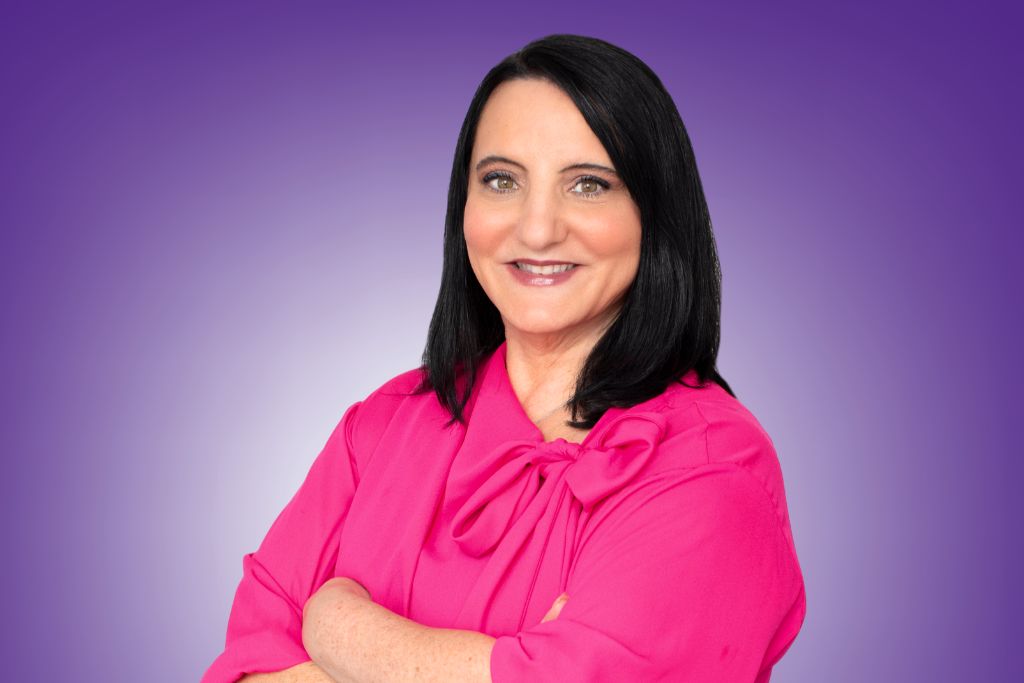
Dr. Roseann Capanna-Hodge is a licensed therapist, certified school psychologist, and leading expert in emotional dysregulation in children. With over 30 years of experience, she helps parents understand the root causes of meltdowns, anxiety, ADHD, and challenging behavior through the lens of nervous system regulation. Dr. Roseann teaches practical, science-backed strategies for co-regulation and how to calm a dysregulated child using her Regulation First Parenting™ approach. She is the host of the Dysregulated Kids Podcast and author of The Dysregulated Kid.
Dr. Roseann Capanna-Hodge
Emotional Dysregulation in Children & Nervous System Expert
Regulation First Parenting™ | CALMS Protocol™
Host of the Dysregulated Kids Podcast (Top 1% Globally)
Author of The Dysregulated Kid