Find Your Solution
In 3 minutes, you’ll know where to start ➤
%20.png)





Estimated Reading Time: 5 minutes
The brain and the body will not allow themselves to heal in such a state. What we need to do is address the symptoms. So we shift it from a sympathetic dominant to a parasympathetic state. Once we achieve that, the brain can finally heal itself.
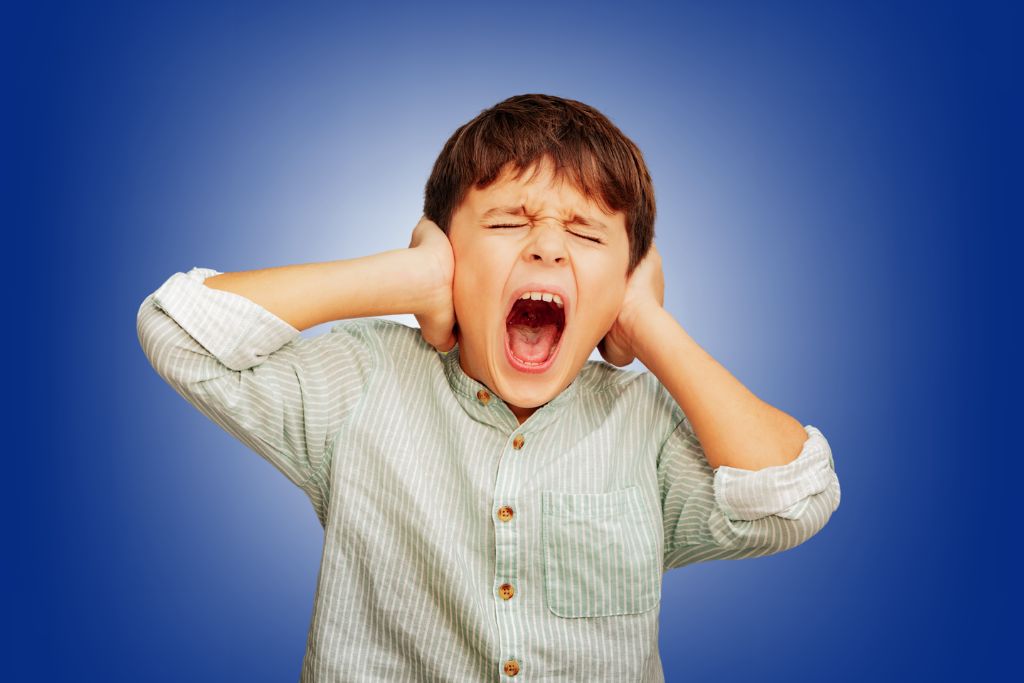
When you encounter people, especially children, with learning problems, it’s going to be challenging. They have all these thoughts and questions that we’re never really prepared for. And so, it makes our brain processing go to another level.It all boils down to brain dysregulation, which shows up in a lot of ways. So, it’s best that you highly consider neurofeedback as a natural and safe way to calm the brain and bring the happiness back to your family.When your child is anxious, inattentive, or melting down over the smallest thing, it can feel overwhelming. You want answers and real solutions, not more guessing. This episode breaks down how neurofeedback helps calm the brain, why it works for ADHD, anxiety, OCD, depression, and learning issues, and what is actually happening in your child’s brain when symptoms show up.
So many parents tell me their child is trying hard but still can’t focus, follow directions, or manage their emotions. That is a sign of an understimulated or overstimulated brain, not a motivation problem. Neurofeedback helps regulate the brain waves that control attention, behavior, and mood.Key takeaways:
Real-life example: A mom once shared that her son worked twice as long as other students but still missed details. After neurofeedback, his teacher finally said, “He is fully here in class now.”
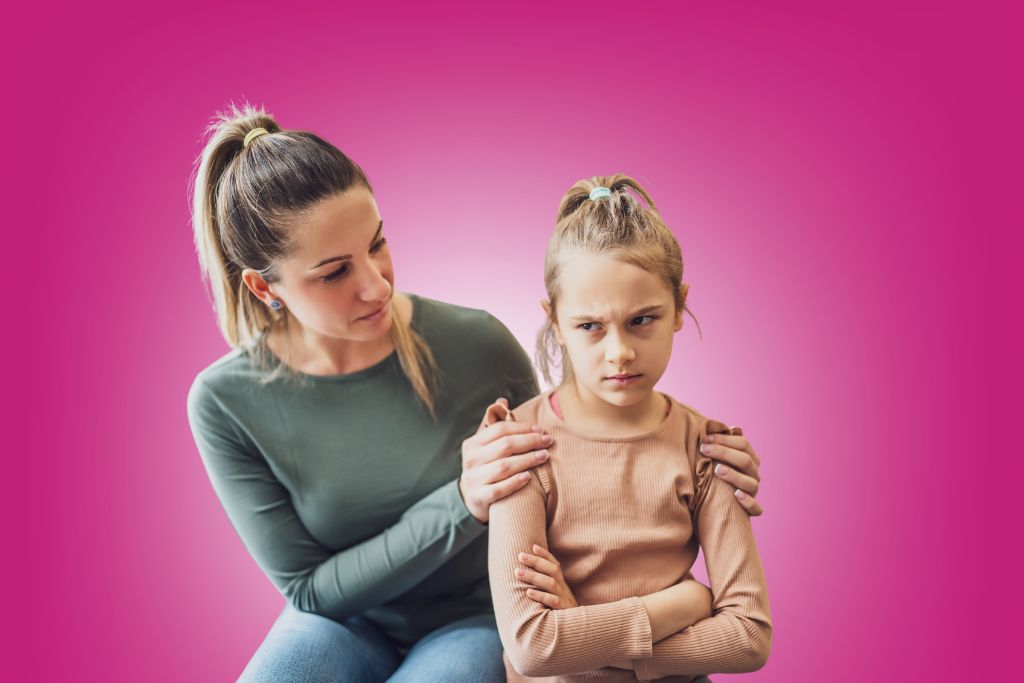
Parents often describe anxiety as “my child goes from fine to panicked in seconds.” Inside the brain, anxiety looks like a firestorm of overstimulation. The nervous system is stuck in survival mode, making relaxation feel unsafe.Neurofeedback helps by:
This shift lets kids step out of worry and back into thinking mode.
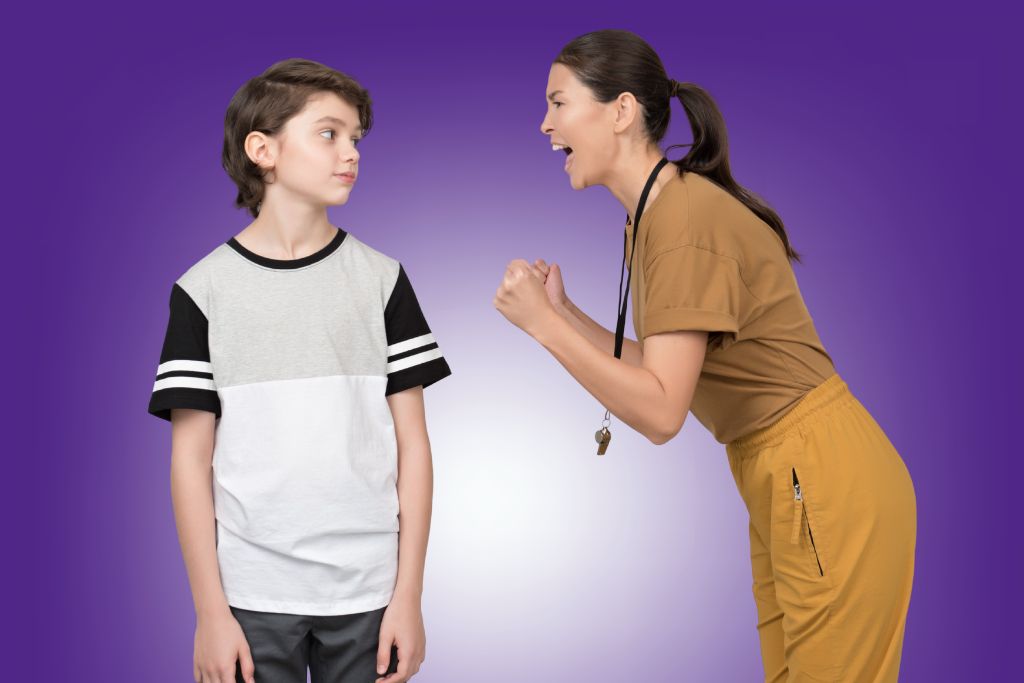
OCD is closely tied to anxiety. Kids get trapped in repetitive thoughts or compulsions that feel impossible to stop. An overstimulated brain feeds those loops.Neurofeedback helps by:
Parents often tell me, “The thoughts finally quieted,” which is exactly what we want.
Depression often shows a mix of brain areas that are too slow and others that are working too hard. Many kids with depression are actually burned out from long periods of unmanaged stress or anxiety.Neurofeedback supports:
Kids start smiling again, engaging again, and feeling like themselves again.If you’re tired of walking on eggshells or feeling like nothing works…Get the FREE Regulation Rescue Kit and finally learn what to say and do in the heat of the moment.Become a Dysregulation Insider VIP at www.drroseann.com/newsletter and take the first step to a calmer home.What Dr. Roseann Says🗣️ “Neurofeedback produces lasting changes over time and helps the brain regulate in a way nothing else can.” — Dr. Roseann
Neurofeedback is a proven way to regulate brain waves so kids can focus, manage emotions, and feel better. Whether your child has ADHD, anxiety, OCD, depression, or learning challenges, calming and organizing the brain creates real change. When we calm the brain first, everything else becomes easier. For more support, explore our blogs and resources on natural ways to improve emotional and behavioral regulation.
Many parents notice changes within weeks, but lasting progress builds over consistent sessions.
Yes. It trains the brain into calmer patterns and supports nervous system regulation.
It is noninvasive, research-backed, and shown to improve focus, impulse control, and behavior.
Yes. It improves processing, attention, and regulation, making learning less stressful.Next Step: Feel like you’ve tried everything and still don’t have answers?The Solution Matcher helps you find the best starting point based on your child’s symptoms, behaviors, and history. It’s fast, free, and based on decades of clinical expertise.Get your personalized plan now at www.drroseann.com/help
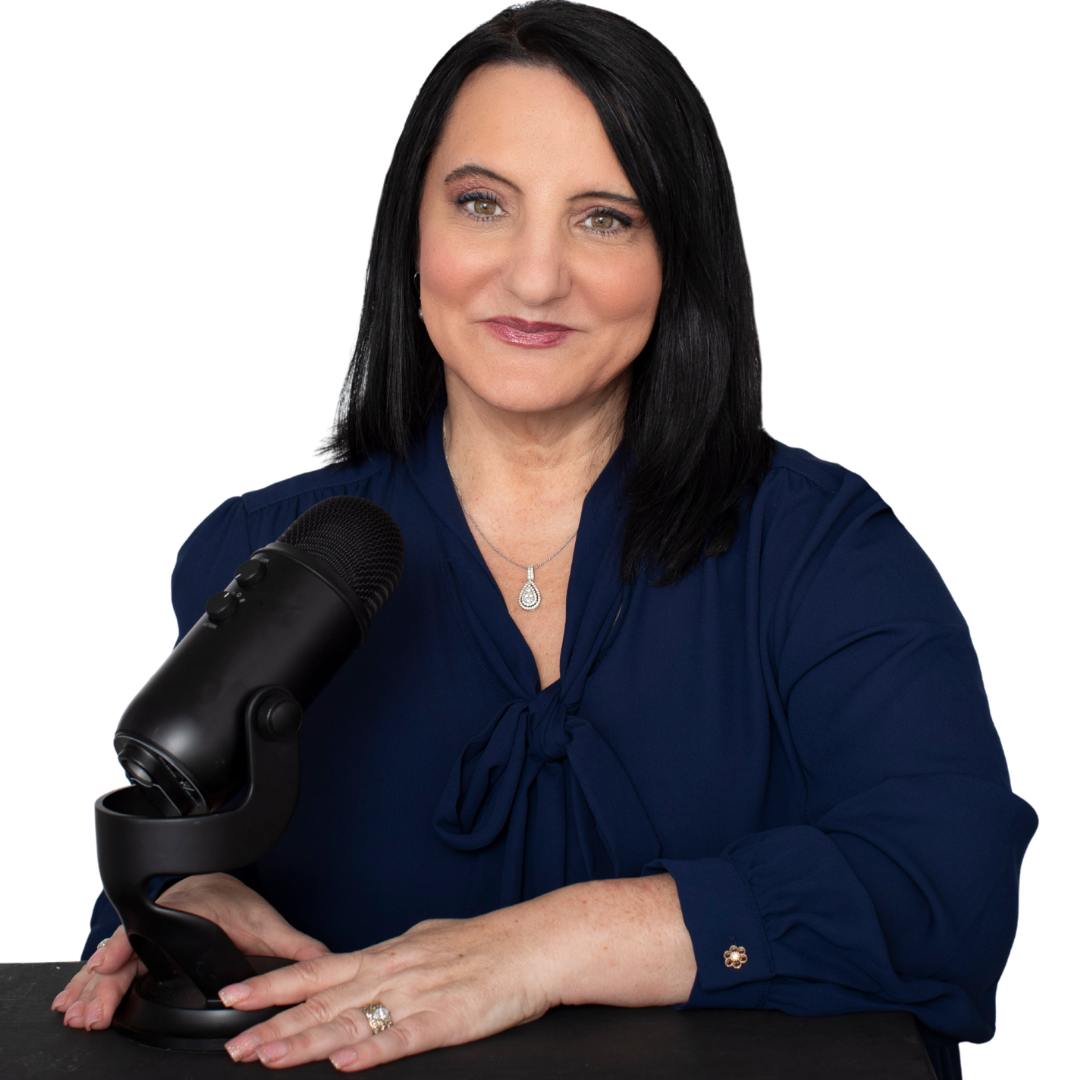
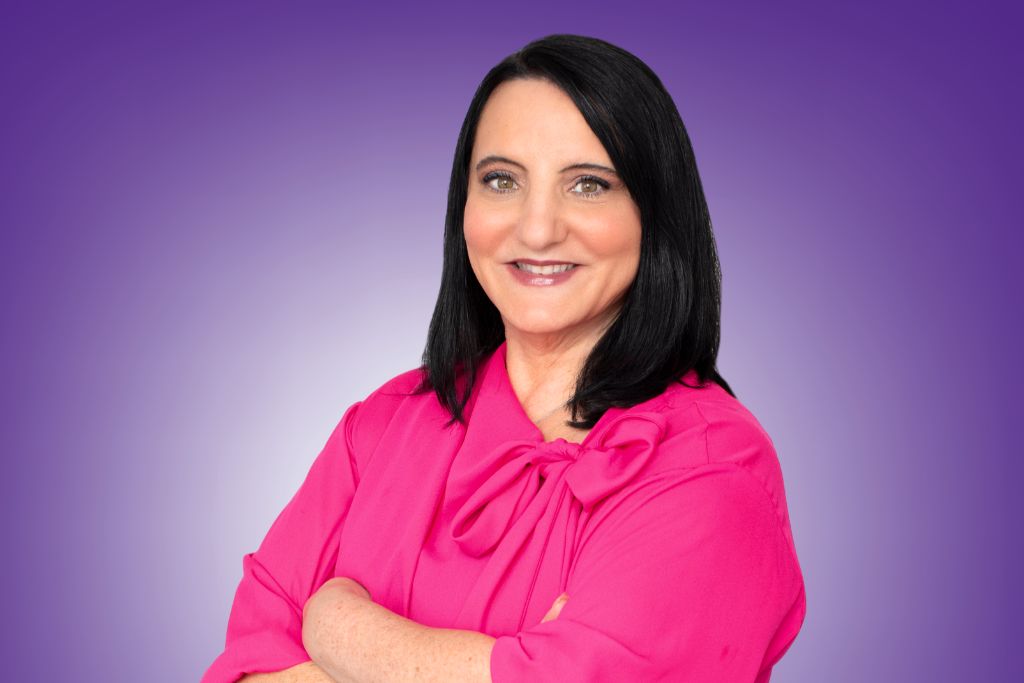
Dr. Roseann Capanna-Hodge is a licensed therapist, certified school psychologist, and leading expert in emotional dysregulation in children. With over 30 years of experience, she helps parents understand the root causes of meltdowns, anxiety, ADHD, and challenging behavior through the lens of nervous system regulation. Dr. Roseann teaches practical, science-backed strategies for co-regulation and how to calm a dysregulated child using her Regulation First Parenting™ approach. She is the host of the Dysregulated Kids Podcast and author of The Dysregulated Kid.
Dr. Roseann Capanna-Hodge
Emotional Dysregulation in Children & Nervous System Expert
Regulation First Parenting™ | CALMS Protocol™
Host of the Dysregulated Kids Podcast (Top 1% Globally)
Author of The Dysregulated Kid