Find Your Solution
In 3 minutes, you’ll know where to start ➤
%20.png)





Estimated Reading Time: 6 minutes
When your child melts down over the smallest change or shuts down when things don’t go their way, it’s not bad parenting. It’s a dysregulated brain. You’re not alone.
Helping kids develop problem-solving skills builds flexibility. It teaches them to handle stress, adapt to challenges, and find solutions instead of getting stuck.
In this episode, I’ll share simple ways to strengthen your child’s thinking skills and build flexibility, helping them become more confident and resilient.
Every challenge your child faces—whether it’s a tricky homework question or a sibling disagreement—is a chance to grow. When kids learn to solve problems on their own, they build resilience, confidence, and independence.
Unfortunately, when we step in too quickly, we rob them of that opportunity. Safe struggle teaches kids to stay calm, think critically, and try again—skills they’ll use for life.
Many kids today are rigid. They want things their way and melt down when plans change. Teaching flexible thinking helps them see that there’s more than one way to solve a problem.
Encourage your child to come up with Plan B ideas. This builds adaptability and helps them handle disappointment with more ease.
If the park is closed, ask, “What’s our Plan B? Should we ride bikes or play a game at home?” Over time, this flexibility becomes automatic.
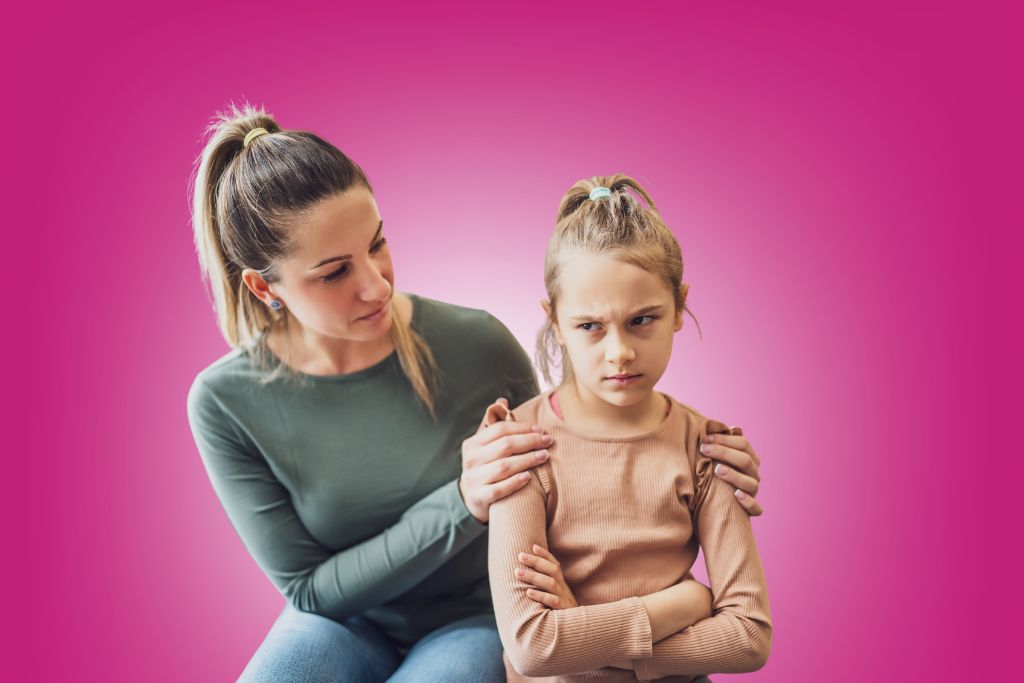
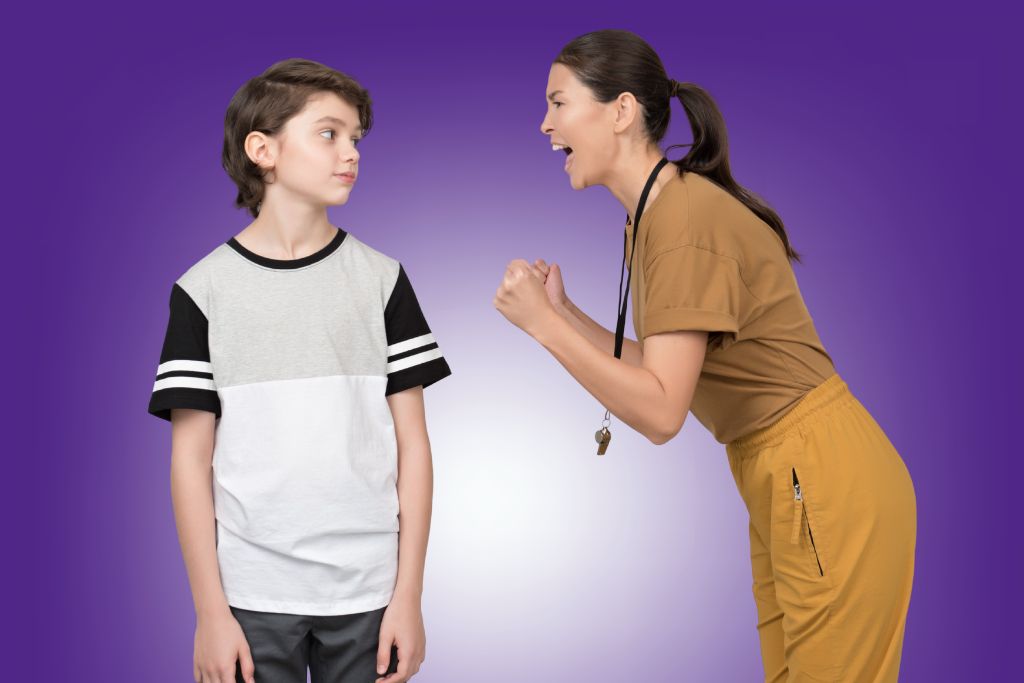
Rigid kids often get overwhelmed before they can even think. When that happens, their brain is dysregulated, and reasoning won’t work until they’re calm.
Co-regulate first—lower your tone, breathe slowly, and stay grounded. Once they’re calm, walk them through the steps of solving the problem:
When we model calm and give them tools, kids learn to manage frustration instead of reacting to it.
Confidence doesn’t come from everything going right—it comes from trying, failing, and adjusting. Kids need to experience success after effort.
Help them focus on learning instead of outcomes. That’s how a growth mindset develops and how flexibility becomes part of who they are.
If you’re tired of walking on eggshells or feeling like nothing works… Get the FREE Regulation Rescue Kit. And finally learn what to say and do in the heat of the moment.
Become a Dysregulation Insider VIP at www.drroseann.com/newsletter and take the first step to a calmer home.
🗣️ “When kids are well-equipped with problem-solving skills, that’s how they become stress slayers.” — Dr. Roseann
Problem-solving skills help kids handle life’s ups and downs without falling apart. When parents model calm, allow safe struggle, and teach flexible Plan B thinking, kids grow more resilient and confident.
You don’t need to be perfect—you just need the right tools. It’s gonna be OK.
They’re the ability to identify a problem, think through options, and try solutions. These are essential for self-regulation and resilience.
Encourage “Plan B” ideas and praise flexibility: “You found another way—that’s awesome!”
A dysregulated brain can’t problem-solve. Calm first, then guide them through the next steps.
Kids with these skills manage stress, handle changes, and ask for help instead of melting down.
Tired of not knowing what’s really going on with your child?
The Solution Matcher gives you a personalized recommendation based on your child’s behavior—not just a label. It’s free, takes just a few minutes, and shows you the best next step.
Go to www.drroseann.com/help
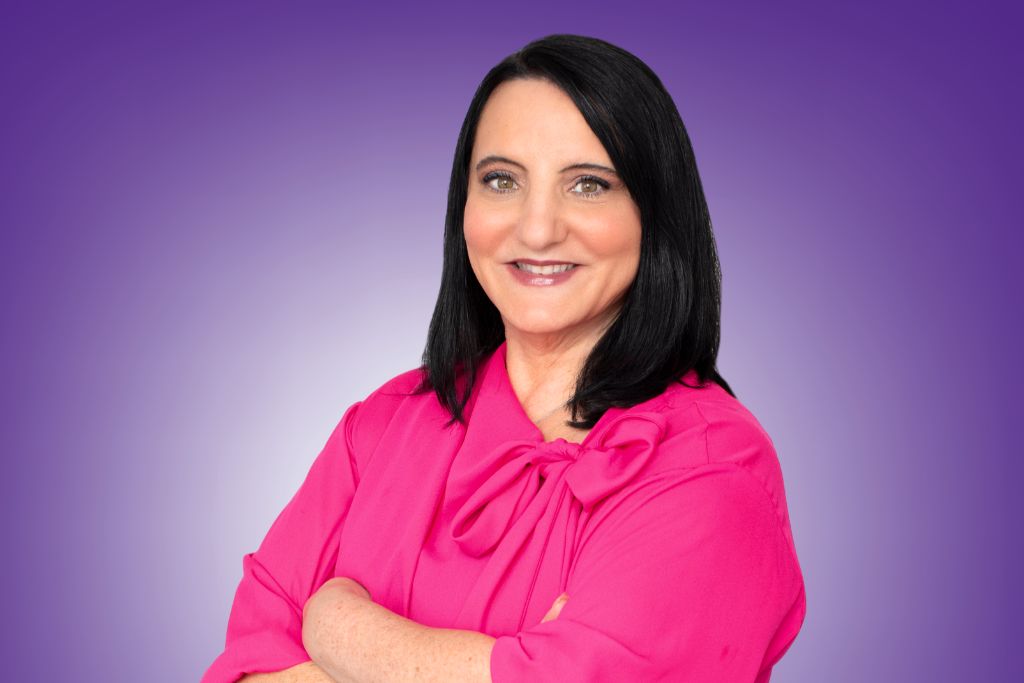
Dr. Roseann Capanna-Hodge is a licensed therapist, certified school psychologist, and leading expert in emotional dysregulation in children. With over 30 years of experience, she helps parents understand the root causes of meltdowns, anxiety, ADHD, and challenging behavior through the lens of nervous system regulation. Dr. Roseann teaches practical, science-backed strategies for co-regulation and how to calm a dysregulated child using her Regulation First Parenting™ approach. She is the host of the Dysregulated Kids Podcast and author of The Dysregulated Kid.
Dr. Roseann Capanna-Hodge
Emotional Dysregulation in Children & Nervous System Expert
Regulation First Parenting™ | CALMS Protocol™
Host of the Dysregulated Kids Podcast (Top 1% Globally)
Author of The Dysregulated Kid