Logo

Find Your Solution

In 3 minutes, you’ll know where to start ➤

Join the Dysregulation Insider get free calm parenting tips straight to your inbox!

YES, I'M IN!

Executive Functioning in Twice Exceptional (2E) Students | Emotional Dysregulation in Children | E224

August 26, 2024
This episode explores the challenges twice-exceptional gifted students face with executive functioning, and offers strategies to support their success and well-being in academic and personal settings.
Apple podcast subscribeCastbox subscribeSpotify subscribeAmazon music subscribeaudible subscribe
<div style="width: 100%; height: 200px; margin-bottom: 20px; border-radius: 6px; overflow: hidden;"><iframe style="width: 100%; height: 200px;" frameborder="no" scrolling="no" allow="clipboard-write" seamless src="https://player.captivate.fm/episode/9b36355a-5e1c-43fe-9a7c-91d54c6eba1c/"></iframe></div>

Understanding Executive Functioning Challenges in Twice Exceptional (2E) Students

If your child is bright, capable, and still struggling to manage schoolwork, social situations, or daily routines, you’re not alone. Many twice exceptional (2E) students excel intellectually but face difficulties with executive functioning. This gap can lead to frustration, anxiety, and behavioral challenges.

In this episode, I explore how executive functioning issues affect gifted and neurodivergent kids, what signs to look for, and practical strategies to bridge the gap between potential and performance. We’ll also discuss why nervous system regulation in children is key to helping these kids thrive.

How Executive Functioning Differs from Intelligence

Executive functioning (EF) isn’t about IQ, it’s how the brain organizes, plans, prioritizes, and follows through. A highly intelligent child may still struggle to:

  • Remember multi-step instructions
  • Plan and execute tasks on time
  • Transition between activities smoothly
  • Self-monitor for mistakes or quality

Parent example: My nephew, Michael, was brilliant but struggled to start and finish tasks. Using visual strategies and step-by-step modeling, he learned to follow through independently.

Recognizing EF Struggles in 2E Students

Even when a child seems capable in academics, EF challenges can appear as:

  • Procrastination or task avoidance
  • Forgetting materials or steps
  • Emotional outbursts when tasks feel overwhelming
  • Difficulty prioritizing schoolwork or personal responsibilities

Kids with ADHD, dyslexia, or autism often show these patterns. Remember: behavior is communication, and EF challenges are nervous system regulation in children issues, not defiance.

How EF Challenges Impact Daily Life

When executive functioning is weak, gifted students may appear inconsistent:

  • Brilliant ideas but incomplete homework
  • Creative problem-solving but trouble following rules
  • Quick comprehension but slow execution

Takeaway: Strength alone doesn’t compensate for EF gaps. With the right supports, these kids can thrive academically and emotionally.

Strategies to Support Executive Functioning in 2E Students

Helping children build EF skills requires scaffolding and self-regulation skills for children.

  • Start with the end result: “What does a finished project look like?”
  • Break tasks into visual, manageable steps
  • Role-play sequences before expecting independent completion
  • Use timers, checklists, or color coding for organization
  • Encourage reflection: “What worked well? What could we improve?”

Parent tip: Focus on skill-building, not perfection. Celebrate micro-wins to reinforce progress.

Supporting Emotional Regulation Alongside EF Skills

EF struggles often amplify emotional dysregulation. Emotional dysregulation in children can manifest as frustration, anxiety, or shutdowns when tasks feel too hard.

  • Pair EF practice with calming strategies: deep breathing, movement breaks, or quiet sensory activities
  • Co-regulate: model calm responses so your child’s nervous system can settle
  • Build predictable routines to reduce stress and enhance focus

Parent example: A teen with dyslexia and ADHD became less reactive when tasks were broken into small steps with movement breaks between them.

Partnering with Schools to Support EF and 2E Needs

Effective support isn’t just at home. Schools can help reinforce EF skills:

  • Request accommodations in IEP or 504 plans for structured support
  • Ask for explicit instruction, visual aids, or step-by-step scaffolding
  • Collaborate with teachers to maintain consistency between school and home
  • Advocate for social-emotional support to reinforce self-regulation

When to Seek Additional Support for your kids

If challenges persist despite consistent home strategies:

  • Consider a neuropsychological or EF assessment
  • Consult specialists familiar with gifted and ADHD profiles
  • Explore coaching programs or targeted interventions designed for dysregulated child management

Takeaway & Next Steps

Twice exceptional students often hide executive functioning challenges behind high intelligence. Understanding the difference, modeling self-regulation skills for children, and providing visual, step-based support helps your child translate potential into consistent achievement.

Join our Facebook community for ongoing guidance and parent support: https://drroseann.com/group

Every explosive reaction is just a nervous system asking for help. Learn exactly how to answer that call in The Dysregulated Kid.

FAQs

What is a twice exceptional (2E) student?

A child who is intellectually gifted but has neurodevelopmental differences like ADHD, dyslexia, or autism that impact daily functioning.

How can I tell if my gifted child struggles with executive functioning?

Look for consistent difficulty with task initiation, planning, organization, or completing multi-step activities across home and school settings.

Can executive functioning skills be taught?

Yes. With structured practice, visual supports, and co-regulation, kids can learn to plan, prioritize, and follow through.

Do EF challenges affect social skills?

Absolutely. Poor executive functioning can cause missed social cues, impulsive reactions, and difficulty with teamwork.

Should I seek professional assessment for my 2E child?

If challenges interfere with learning, socialization, or daily routines, an assessment helps identify targeted interventions.

Take the guesswork out of helping your child.

Use our free Solution Matcher to get a personalized plan based on your child’s unique needs—whether it’s ADHD, anxiety, mood issues, or emotional dysregulation.

In just a few minutes, you'll know exactly what support is right for your family.

Start here: www.drroseann.com/help

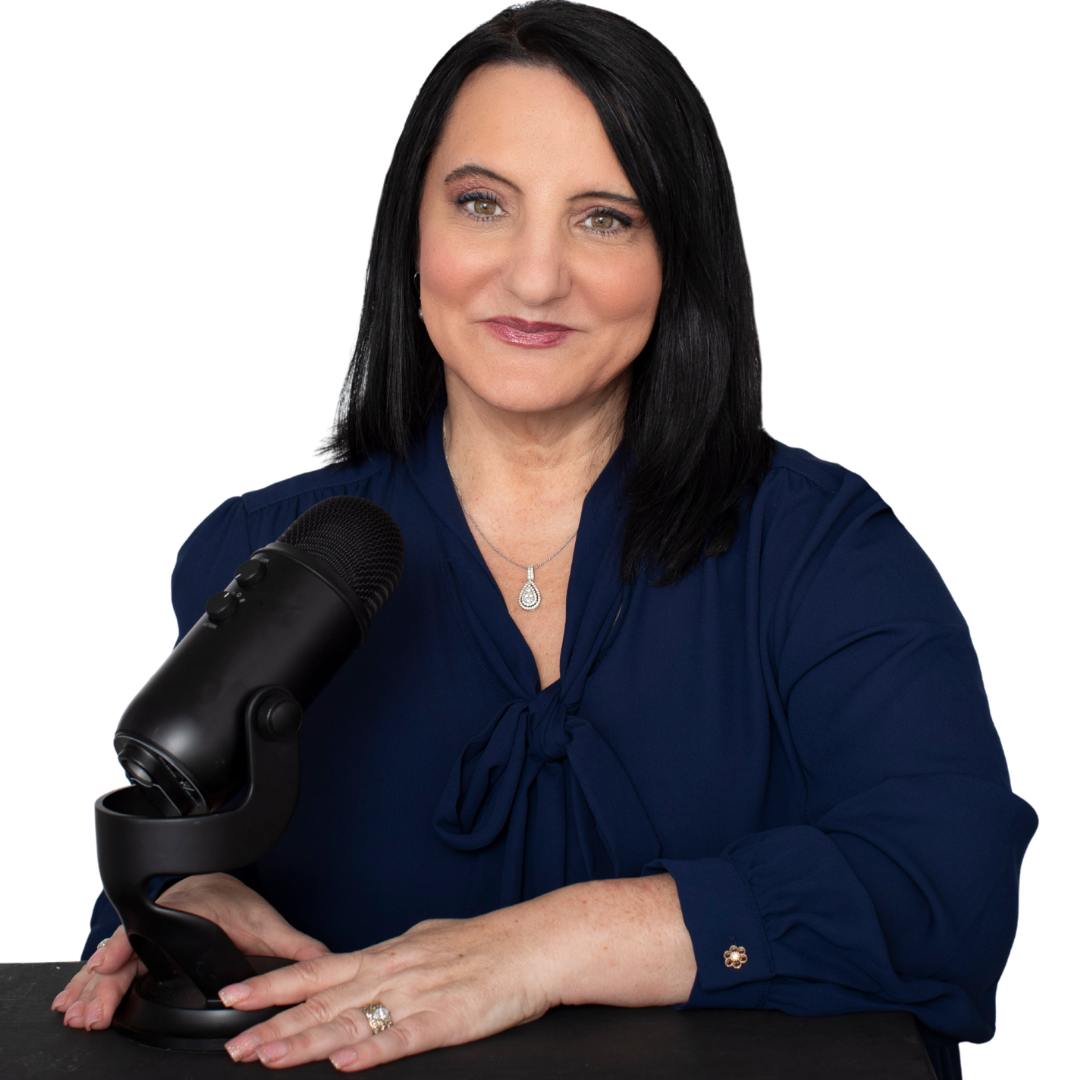
Dr. Roseann Capanna-Hodge is a licensed therapist, certified school psychologist, and leading expert in emotional dysregulation in children. With over 30 years of experience, she helps parents understand the root causes of meltdowns, anxiety, ADHD, and challenging behavior through the lens of nervous system regulation. Dr. Roseann teaches practical, science-backed strategies for co-regulation and how to calm a dysregulated child using her Regulation First Parenting™ approach. She is the host of the Dysregulated Kids Podcast and author of The Dysregulated Kid.

Dr. Roseann Capanna-Hodge
Emotional Dysregulation in Children & Nervous System Expert
Regulation First Parenting™ | CALMS Protocol™
Host of the Dysregulated Kids Podcast (Top 1% Globally)
Author of The Dysregulated Kid

Find this helpful? Leave us a review!

If you found yourself nodding along while listening, take a moment to follow and leave a quick review on Apple Podcasts.
Your feedback helps more overwhelmed parents find calm, clarity, and the proven tools that make everyday life easier.

Dr. Roseann Capanna-Hodge: Helping Families of Dysregulated Kids Thrive Through Regulation First Parenting™

Dr. Roseann believes every family deserves to move from chaos to connection—and that transformation begins with addressing emotional dysregulation in children at its true source: the nervous system.

As the creator of Regulation First Parenting™, she’s helping families of dysregulated kids discover a compassionate, brain-based path forward. Through The Dysregulated Kids™ Podcast (top 2% globally), she offers practical strategies that help parents understand their child’s brain and support lasting change.

Through The Global Institute of Children’s Mental Health and Dr. Roseann, LLC, she’s created resources like the Neurotastic™ Brain Formulas and the Regulation First Parenting™ framework—meeting families where they are and supporting them through challenges like ADHD, anxiety, OCD, PANS/PANDAS, and behavioral struggles.

Recognized by Forbes as “a thought leader in children’s mental health,” Dr. Roseann is changing how we understand emotional dysregulation in children—one family at a time.
Website-Photos-Update-2

More Podcast Episodes: