Find Your Solution
In 3 minutes, you’ll know where to start ➤
%20.png)





Estimated Reading Time: 10 Minutes
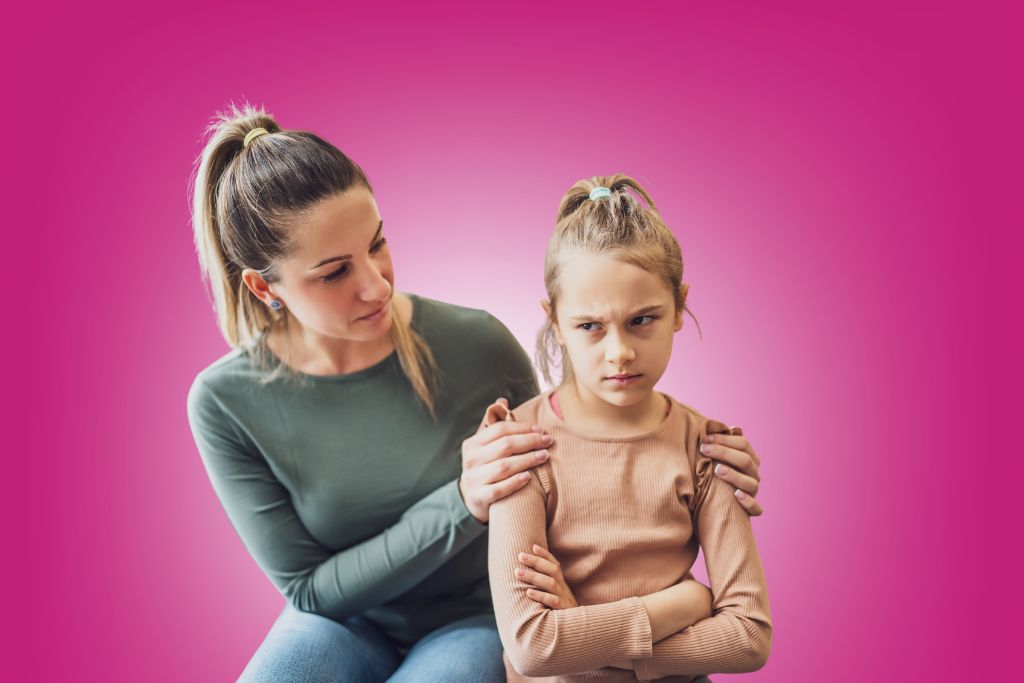
Homework can be one of the most stressful parts of the day for families.
Parents often find themselves dealing with frustration, avoidance, emotional outbursts, attention problems, and homework battles that leave everyone exhausted.
The truth is that homework struggles are rarely about laziness.
Many children are trying their best while dealing with attention challenges, learning differences, executive functioning weaknesses, anxiety, emotional dysregulation, or an overwhelmed nervous system.
In this episode, I share practical homework tips for parents that help create a calmer, more successful homework routine while supporting your child's brain and learning needs.
The goal isn't simply getting homework done.
The goal is helping your child develop the skills and confidence they need to become an independent learner.
Homework difficulties often stem from more than academic challenges.
Many children struggle because of:
By the time children get home, their brains may already be exhausted from a full day of learning, social demands, and self-regulation.
That's why understanding what's driving the struggle is so important.
Behavior is communication.
When children resist homework, they're often telling us that something in the process isn't working for them.
One of the most important homework tips for parents is creating an environment that supports learning.
Many parents focus on supplies but overlook factors that directly impact brain function.
Consider:
Some children do best at a dining room table.
Others need a quieter location with fewer distractions.
The key is finding a consistent environment that supports focus and regulation.
Avoid locations that encourage distraction or sleepiness, such as beds, televisions, or highly stimulating spaces.
Real-Life Example
A child who struggles to focus in a busy kitchen may complete homework more successfully in a quiet workspace with minimal sensory distractions.
Every child needs a different level of support.
Some children need:
The goal isn't doing the work for your child.
The goal is providing the level of support necessary for success while gradually building independence.
Parents should focus on scaffolding rather than rescuing.
Support first.
Independence later.
Many children with learning and processing difficulties are visual learners.
When information is presented verbally over and over again, it may not stick.
Visual tools often work much better.
One of my favorite strategies is using mind maps.
Mind maps help children organize ideas visually by connecting concepts through circles, branches, and visual pathways.
Benefits of visual supports include:
These tools are especially helpful for children with dyslexia, ADHD, and processing challenges.
Real-Life Example
A child who freezes when asked to write a paragraph may successfully organize their thoughts using a simple mind map before beginning the assignment.
One of the biggest mistakes families make is expecting children to jump directly into homework after school.
Most children need some form of nervous system reset first.
Helpful after-school strategies include:
Movement is especially important because it increases oxygen and blood flow to the brain.
Simple activities such as jumping, stretching, crossing-midline exercises, or playing outside can help children transition into learning mode more effectively.
At the same time, be cautious about excessive screen time immediately after school.
Video games can quickly fatigue the brain and make it harder to shift into homework mode.
Long-term homework success isn't about constant supervision.
It's about helping children build the skills they need to manage responsibilities independently.
Parents can support this process by:
Praise effort, persistence, and progress rather than perfection.
Children build confidence when they see themselves succeeding.
The goal isn't raising a child who depends on reminders forever.
The goal is helping them develop the executive functioning skills they need to succeed on their own.
The Regulation Rescue Kit provides practical Regulation First Parenting™ tools that help reduce stress, improve emotional regulation, and create more peace at home. Become a Dysregulation Insider VIP and get your FREE kit: www.drroseann.com/newsletter
If your child consistently struggles with homework despite support, communication with the school is essential.
Warning signs may include:
Parents should work collaboratively with teachers to identify barriers and explore possible solutions.
In some cases, additional supports such as an IEP, accommodations, tutoring, or therapeutic interventions may be appropriate.
The goal isn't assigning blame.
The goal is helping the child succeed.
🗣️ “Homework shouldn't be a nightly battle. When we understand how a child's brain learns best, everything changes.” — Dr. Roseann
The best homework tips for parents start with understanding that homework challenges are often a sign that a child needs support—not pressure.
When parents create the right environment, understand their child's learning needs, and focus on nervous system regulation, homework becomes much more manageable.
Start with regulation.
Provide the right support.
Build independence over time.
And remember, progress matters more than perfection.

Homework challenges may be related to ADHD, anxiety, learning disabilities, executive functioning difficulties, processing issues, emotional dysregulation, or mental fatigue.
The best environment is one that minimizes distractions, supports focus, and remains consistent. Noise levels, sensory needs, lighting, and organization all matter.
Movement breaks, healthy snacks, visual supports, clear instructions, and nervous system regulation strategies can all improve focus.
Yes. Mind maps help organize information visually, making them especially useful for children with dyslexia, ADHD, and processing challenges.
If homework consistently causes emotional distress, takes excessive time, or reveals ongoing learning difficulties, it may be time to speak with teachers or seek professional support.
Not sure where to start? Use the Solution Matcher to get personalized recommendations based on your child's emotional and behavioral needs. Start here: www.drroseann.com/help
Dr. Roseann Capanna-Hodge is a licensed therapist, certified school psychologist, and leading expert in emotional dysregulation in children. With over 30 years of experience, she helps parents understand the root causes of meltdowns, anxiety, ADHD, autism, learning differences, and challenging behavior through the lens of nervous system regulation. She is the creator of Regulation First Parenting™, host of the Dysregulated Kids Podcast, and author of The Dysregulated Kid.
Dr. Roseann Capanna-Hodge
Emotional Dysregulation in Children & Nervous System Expert
Regulation First Parenting™ | CALMS Protocol™
Host of the Dysregulated Kids Podcast (Top 1% Globally)
Author of The Dysregulated Kid