Find Your Solution
In 3 minutes, you’ll know where to start ➤
%20.png)





Estimated Reading Time: 5 minutes
If your child is struggling with PANS, PANDAS, anxiety, OCD, or depression, it can feel like your world has been turned upside down. You’re not imagining it and you’re not failing. Understanding the PANS/PANDAS emotional impact on both children and families is essential. By addressing the nervous system first, parents can create stability, improve regulation, and support emotional and behavioral growth.
In this episode, I explain what’s happening in your child’s brain, how these conditions affect family dynamics, and the practical self-regulation tools that help everyone breathe again.
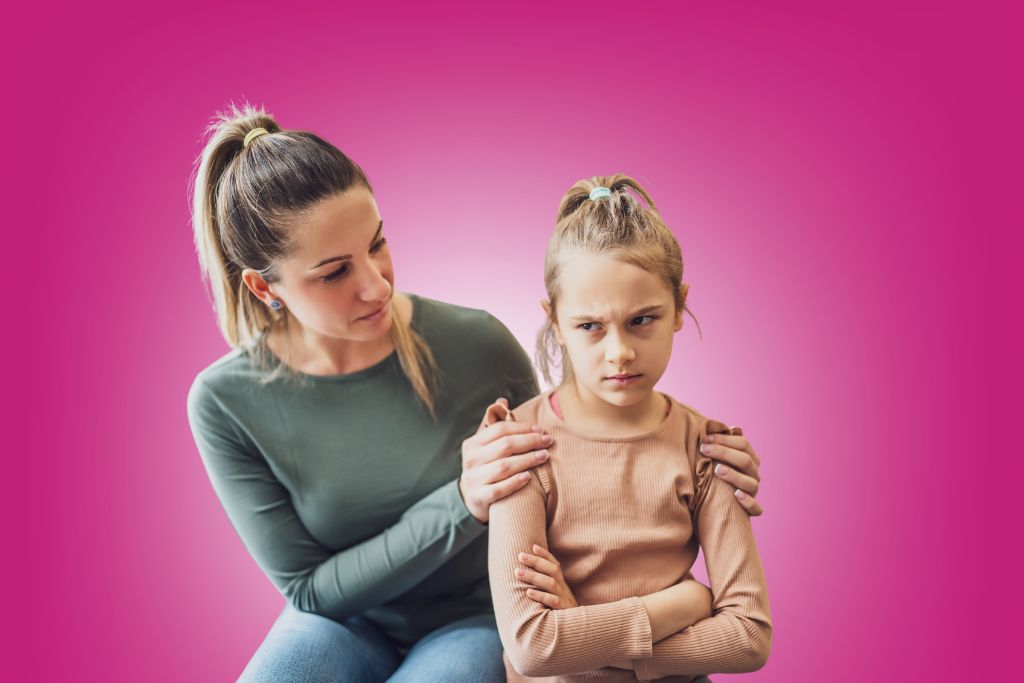
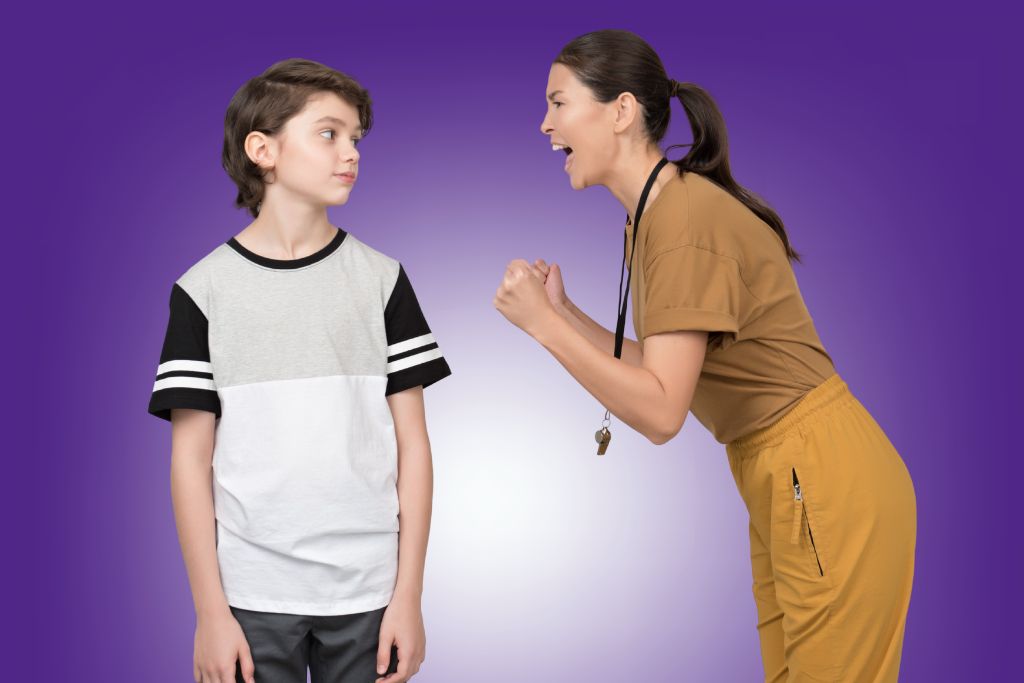
Children with PANS, PANDAS, anxiety, OCD, or depression are in a state of constant alert. Rage, withdrawal, rigidity, or meltdowns are not intentional, they are signals of a dysregulated nervous system.
Key takeaways:
Parent story: A mother realized her child’s rage episodes were neurologically driven. Once she understood this, her relationship softened almost immediately.
PANS and PANDAS don’t just affect the child—they reshape family dynamics.
Common impacts:
Takeaway: Your family is not broken. These dynamics are responses to chronic conditions, and regulation strategies can help everyone cope.
Parents’ nervous systems guide their child’s regulation. Self-care is essential.
Daily practices:
Parent story: One mother found a daily 15-minute walk kept her grounded during a long PANS flare and provided a calm anchor for her child.
Flexibility and clear communication help parents adjust when their child’s needs change.
Strategies:
Supporting the nervous system is key to emotional stability.
Effective tools:
Takeaway: Behavior is communication, and calming the nervous system first allows learning, coping, and emotional growth.
Parents can take actionable steps each day to stabilize their child’s nervous system.
Examples:
Parent insight: A child who previously had frequent after-school meltdowns calmed significantly after a consistent movement and snack routine paired with co-regulation.
If you’re tired of walking on eggshells or feeling like nothing works…
Get the FREE Regulation Rescue Kit and finally learn what to say and do in the heat of the moment.
Become a Dysregulation Insider VIP at www.drroseann.com/newsletter and take the first step to a calmer home.
🗣️ “It’s not bad parenting, it’s a dysregulated brain. When we calm the brain first, everything else starts to fall into place.” — Dr. Roseann
Sensory supports are crucial when PANS/PANDAS children become overstimulated.
Try these strategies:
Parent story: A child with sensory overload learned to settle using a weighted lap pad and 5-minute movement breaks, which improved compliance and mood.
The PANS/PANDAS emotional impact is real, but there is hope. By prioritizing nervous system regulation, modeling calm, and using consistent supports, parents can reduce meltdowns, improve family dynamics, and help children thrive.
Yes. Siblings may feel anxious, overlooked, or fearful when one child’s nervous system is highly dysregulated.
Rapid emotional shifts are usually a nervous system response, not intentional misbehavior.
No. Emotional dysregulation stems from brain and nervous system challenges.
Recovery depends on nervous system regulation, addressing triggers, and consistent supports.
Communication, parent coaching, and shared routines help families stay aligned and reduce stress.
Feel like you’ve tried everything and still don’t have answers?
The Solution Matcher helps you find the best starting point based on your child’s symptoms, behaviors, and history. It’s fast, free, and based on decades of clinical expertise.
Get your personalized plan now at www.drroseann.com/help
Dr. Roseann Capanna-Hodge is a licensed therapist, certified school psychologist, and leading expert in emotional dysregulation in children. With over 30 years of experience, she helps parents understand the root causes of meltdowns, anxiety, ADHD, and challenging behavior through the lens of nervous system regulation. Dr. Roseann teaches practical, science-backed strategies for co-regulation and how to calm a dysregulated child using her Regulation First Parenting™ approach. She is the host of the Dysregulated Kids Podcast and author of The Dysregulated Kid.
Dr. Roseann Capanna-Hodge
Emotional Dysregulation in Children & Nervous System Expert
Regulation First Parenting™ | CALMS Protocol™
Host of the Dysregulated Kids Podcast (Top 1% Globally)
Author of The Dysregulated Kid