Find Your Solution
In 3 minutes, you’ll know where to start ➤
%20.png)





Dishonesty is something that we, as parents, often struggle to understand and manage. We invest so much time and energy into teaching our children the importance of honesty and integrity, so when they lie, it can feel disheartening. However, it's crucial to recognize that such dishonesty in children is often a symptom of deeper issues rather than a simple act of defiance.
By creating a supportive environment, we can encourage our kids to be truthful and confident in expressing themselves, leading to healthier and more trusting relationships. Join me in another episode of decoding your child's behavior and let's uncover ways to build a nurturing environment that promotes honesty, self-confidence, and open communication.
When your child lies, it’s easy to feel frustrated, confused, or blame yourself. But dishonesty is often a sign of a dysregulated child rather than defiance. Behavior is communication, and lying often indicates unmet needs, stress, or difficulty managing emotions.
Common reasons kids lie:
Parent story: One mom noticed her son hiding homework errors. Once they implemented predictable routines and emotional regulation strategies, the lying decreased significantly.
Kids often lie when their nervous system is stressed. Stressful home, school, or social environments can trigger dishonesty as a coping mechanism. Lying may be about protecting self-esteem or avoiding overwhelm rather than manipulation.
Look for patterns:
Not every lie is a behavioral problem. Chronic lying with high emotional reactivity often signals emotional dysregulation in children.
Signs of dysregulation-driven lying:
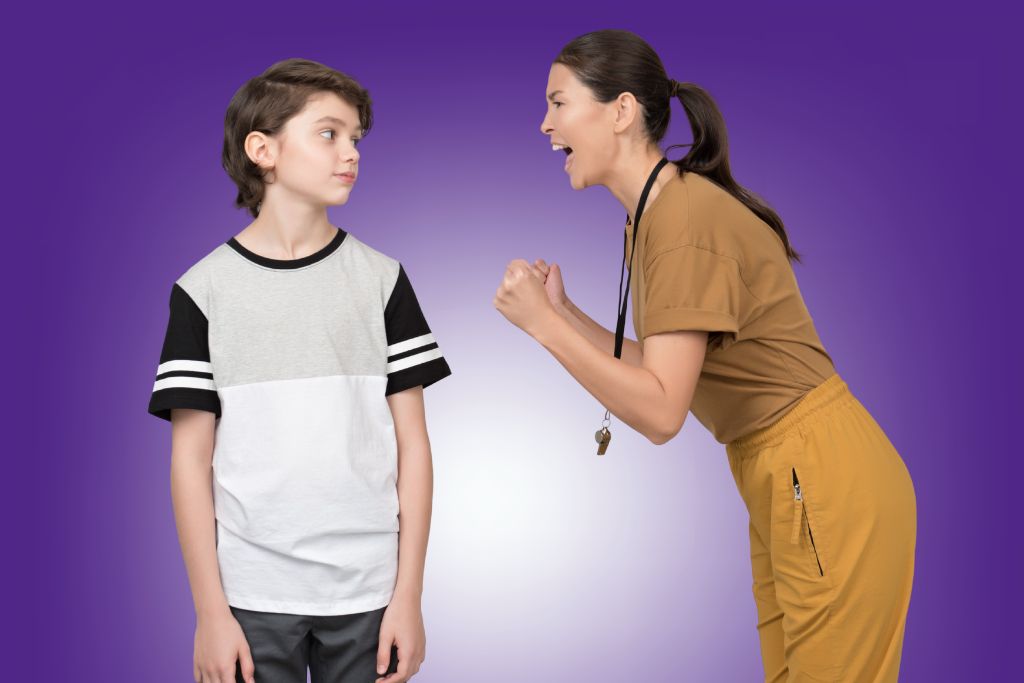
Example: A child repeats a small fib about chores and immediately melts down when confronted. The behavior is a stress response, not intentional defiance.
If you’re tired of walking on eggshells or feeling like nothing works…Get the FREE Regulation Rescue Kit and finally learn what to say and do in the heat of the moment.
Become a Dysregulation Insider VIP at www.drroseann.com/newsletter and take the first step to a calmer home.
Unrealistic expectations can drive lying as a way to manage a lack of control. Kids are more likely to be honest when they feel safe and empowered.
Strategies:
Parent example: A parent allowed their child to decide the order of homework tasks. Autonomy increased honesty and reduced avoidance.
When the nervous system is regulated, honesty naturally increases. Focus on creating environments and routines that calm the brain.
Supports that help:
Tip: Short, consistent daily interventions can prevent dishonesty before it starts.
Punishment alone rarely helps. Instead, teach skills and co-regulate first.
Approach:
Example: A teen admitted to breaking a rule. Praising the truth, rather than punishing, encouraged honesty in the future.
Understanding why your child lies helps you target interventions that address the root cause—dysregulation, nervous system regulation in children, and emotional awareness. The goal isn’t perfect behavior, it’s safety, self-awareness, and improved communication.
Practical tips:
Some children benefit from parenting a dysregulated child programs or clinical support when lying persists. Professional guidance can help you implement consistent routines, provide emotional coaching, and teach coping skills.
Options:
If you're in the middle of the hard stuff right now, the meltdowns, the power struggles, the constant walking on eggshells, I didn't want you to pre-order a book and then sit there with nothing.
So when you order The Dysregulated Kid, you immediately receive tools that give you somewhere to go today. A one-page guide that tells you exactly what to do first. Printable scripts so you have the right words ready before the next hard moment hits. And a short video that explains the brain science behind your child's behavior so clearly that your next response feels grounded instead of desperate.
Order now and walk away with a clear next step:
.png)
If lying comes with emotional overflow, shutdown, or meltdowns, it’s usually dysregulation, not intent to deceive.
Yes. Child behavior problems often stem from overstimulated nervous systems or poor impulse control.
Co-regulate, offer structured choices, reinforce honesty, and teach emotional regulation skills.
If lying persists across multiple environments and affects learning, friendships, or emotional health, consult a provider familiar with emotional dysregulation in children.
Sometimes. Overwhelm from noise, touch, or visual stimuli can increase stress and trigger hiding or fibbing as a coping mechanism.
Feel like you’ve tried everything and still don’t have answers?
The Solution Matcher helps you find the best starting point based on your child’s symptoms, behaviors, and history.
It’s fast, free, and based on decades of clinical expertise.
Get your personalized plan now at www.drroseann.com/help
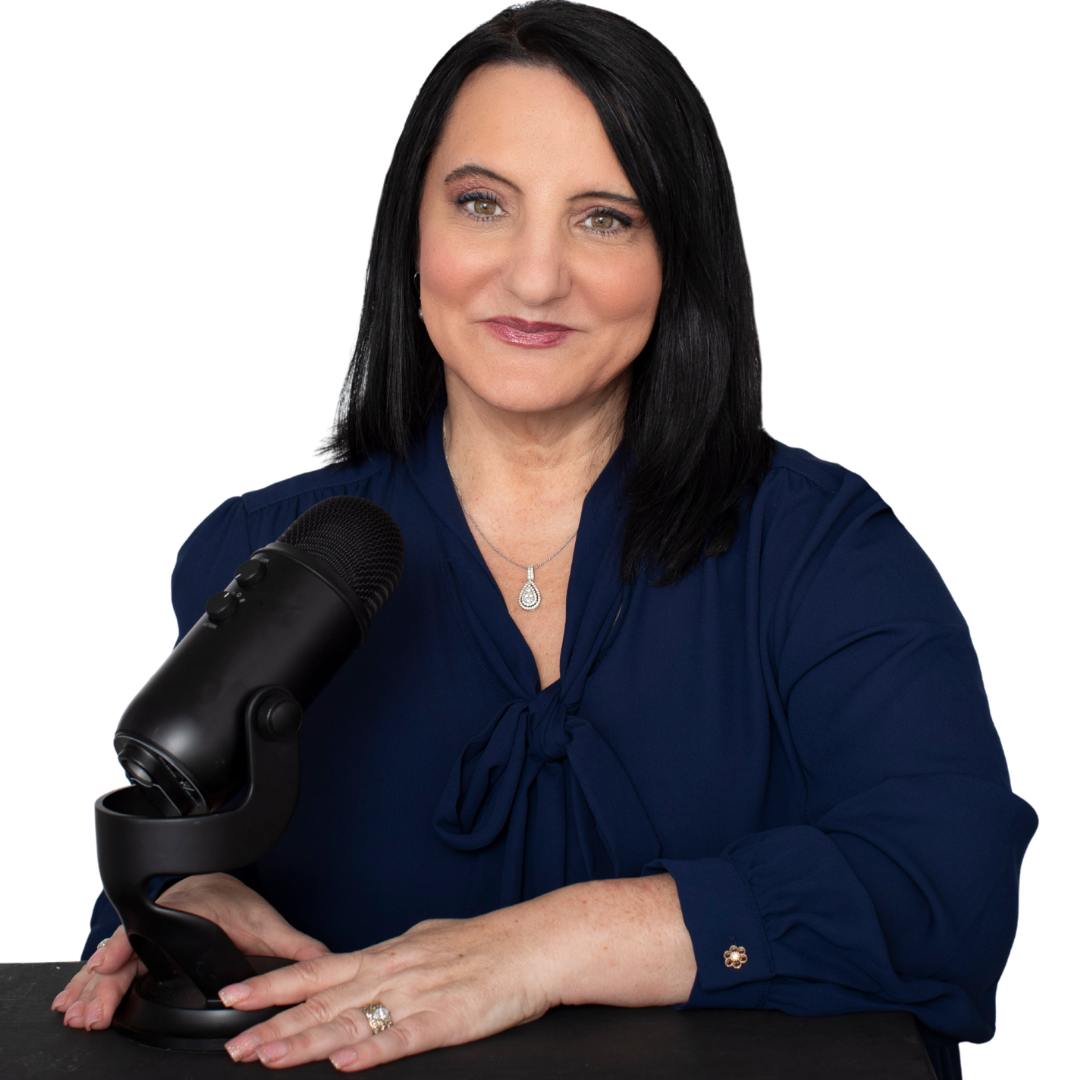
Dr. Roseann Capanna-Hodge is a licensed therapist, certified school psychologist, and leading expert in emotional dysregulation in children. With over 30 years of experience, she helps parents understand the root causes of meltdowns, anxiety, ADHD, and challenging behavior through the lens of nervous system regulation. Dr. Roseann teaches practical, science-backed strategies for co-regulation and how to calm a dysregulated child using her Regulation First Parenting™ approach. She is the host of the Dysregulated Kids Podcast and author of The Dysregulated Kid.
Dr. Roseann Capanna-Hodge
Emotional Dysregulation in Children & Nervous System Expert
Regulation First Parenting™ | CALMS Protocol™
Host of the Dysregulated Kids Podcast (Top 1% Globally)
Author of The Dysregulated Kid