
Join the Dysregulation Insider get free calm parenting tips straight to your inbox!
YES, I'M IN!The Real Reason Your Child Is Struggling in School (and How to Fix It at Every Age) | Emotional Dysregulation in Children | E365





Estimated Reading Time: 6 Minutes
When the brain is overwhelmed by stress, anxiety, sensory challenges, or emotional overload, learning becomes much harder—even for highly capable students.
Every parent knows the sinking feeling when homework, tests, transitions, or school mornings become a daily battle. It's easy to assume the issue is effort or attitude, but learning, focus, motivation, and executive functioning all depend on regulation first.
In this episode, I explain why children of all ages—from preschool through college—can struggle academically when their nervous system is dysregulated and what parents can do to support lasting success through Regulation First Parenting®.
Why is my child struggling in school even though they're smart?
One of the most common things I hear from parents is:
"My child is so smart. Why are they struggling?"
The answer is often regulation, not intelligence.
When a child's nervous system is overwhelmed, the brain shifts into survival mode. In this state, learning, memory, organization, attention, and problem-solving become much harder to access.
This can look like:
- Homework battles
- Difficulty focusing in class
- Avoidance or procrastination
- Frequent emotional outbursts
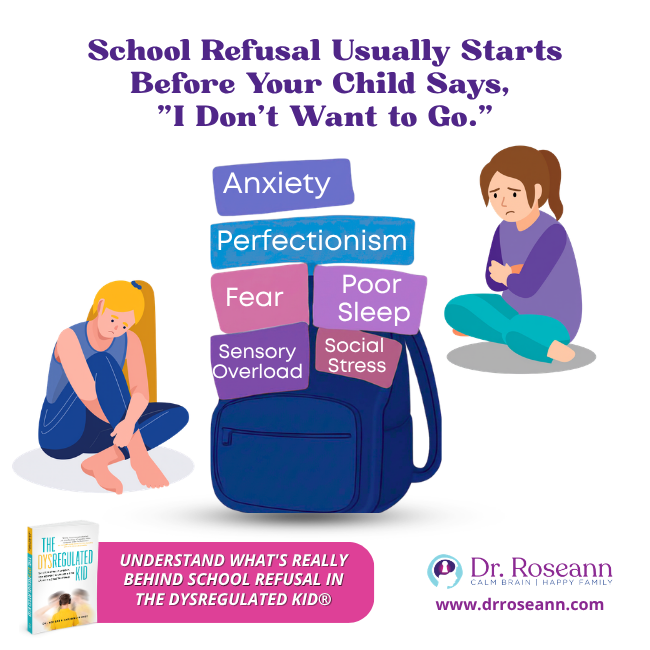
- School refusal
- Poor test performance despite understanding the material
A dysregulated child may know the information but struggle to access it consistently.
Real-Life Example
A third grader understands math concepts during class but completely shuts down during homework. After introducing short movement breaks and reducing overwhelm through smaller assignments, homework becomes significantly more manageable.
This isn't laziness.
It's a nervous system that needs support.
Why do kids melt down over schoolwork or transitions?
Many children experience sensory overload, emotional stress, or executive functioning challenges that make everyday school demands feel overwhelming.
Tasks that appear simple to adults can trigger fight, flight, or freeze responses.
Common triggers include:
- Large assignments
- Unexpected schedule changes
- Transitions between activities
- Sensory overload in the classroom
- Fear of making mistakes
- Perfectionism and anxiety
Every child has different learning styles and regulation needs. What feels manageable for one child may feel overwhelming for another.
What Parents Can Do
- Break tasks into smaller steps
- Offer movement or sensory breaks
- Use visual schedules
- Validate emotions before solving problems
- Support regulation before expecting performance
Real-Life Example
A preschooler refuses to begin a writing activity. After a three-minute nervous system reset and a smaller writing goal, she is able to participate successfully without tears or frustration.
Behavior is communication.
When kids melt down over schoolwork, they're often communicating overwhelm—not unwillingness.
How can I help my middle or high schooler stay motivated?
As children get older, academic demands increase dramatically.
Middle school and high school require stronger executive functioning skills, including:
- Planning
- Organization
- Time management
- Emotional regulation
- Task initiation
When stress becomes chronic, many students appear unmotivated when they're actually overwhelmed.
This can show up as:
- Procrastination
- Incomplete assignments
- Anxiety
- Perfectionism
- Avoidance
- Burnout
Strategies That Help
- Schedule team meetings with teachers
- Identify classroom accommodations when needed
- Create realistic expectations
- Build consistent self-regulation practices
- Focus on progress rather than perfection
🗣️ "You can't pour knowledge into a brain that's on fire. Calm the brain first, and learning will follow." — Dr. Roseann
When your child is dysregulated, it's easy to feel helpless.
The Regulation Rescue Kit gives you practical scripts and science-backed strategies to help calm the brain, reduce overwhelm, and support learning.
Become a Dysregulation Insider VIP and get your FREE kit today: www.drroseann.com/newsletter
What can I do to support my child's learning in college?
College places enormous demands on executive functioning and independence.
Without strong regulation skills, students may struggle with:
- Missed deadlines
- Poor sleep habits
- Burnout
- Anxiety
- Academic probation
- Withdrawal from classes
This can happen even when students are highly intelligent.
Support Strategies
- Encourage self-advocacy
- Help identify campus support services
- Discuss stress-management tools
- Support healthy sleep and nutrition habits
- Encourage counseling when needed
Remember:
Success in college isn't just about intelligence.
It's about regulation.
How does nervous system regulation improve academic success?
Only a calm brain can learn.
When the nervous system feels safe and regulated, children gain better access to:
- Attention
- Memory
- Problem-solving
- Executive functioning
- Motivation
- Learning retention
That's why Regulation First Parenting® focuses on calming the brain before expecting performance.
When regulation improves, academic growth often follows naturally.
Takeaway & What’s Next
If your child is struggling in school, don't assume they're lazy, oppositional, or unmotivated.
Your child isn't giving you a hard time—they're having a hard time.
When the nervous system is overwhelmed, learning becomes harder.
But when you focus on regulation first, everything changes.
Support the brain, and the learning will follow.
It's gonna be OK.
FAQs
How do I know if my child has a learning disorder or is struggling because of dysregulation?
Look for patterns. Many children with learning challenges also experience emotional dysregulation, anxiety, sensory issues, or executive functioning difficulties. A comprehensive evaluation can help identify the root causes.
How can I support my child's learning style at home?
Focus on your child's strengths and create a regulation-friendly learning environment. Many children benefit from movement, visual supports, sensory tools, and shorter work periods.
What should I do if my child resists homework every day?
Start with regulation first. Short nervous system resets, movement breaks, and smaller task chunks often reduce overwhelm and increase cooperation.
Can extracurricular activities improve focus and motivation?
Yes. Physical activity, creative outlets, and structured interests can support nervous system regulation, confidence, and attention.
How do I communicate with teachers without creating conflict?
Approach conversations collaboratively. Share observations, ask questions, and work together to identify supports that help your child succeed.
Tired of not knowing what's really going on with your child?
The Solution Matcher gives you a personalized recommendation based on your child's behavior, challenges, and nervous system needs.
It's free, takes just a few minutes, and helps you identify the best next step.
Start here: www.drroseann.com/help
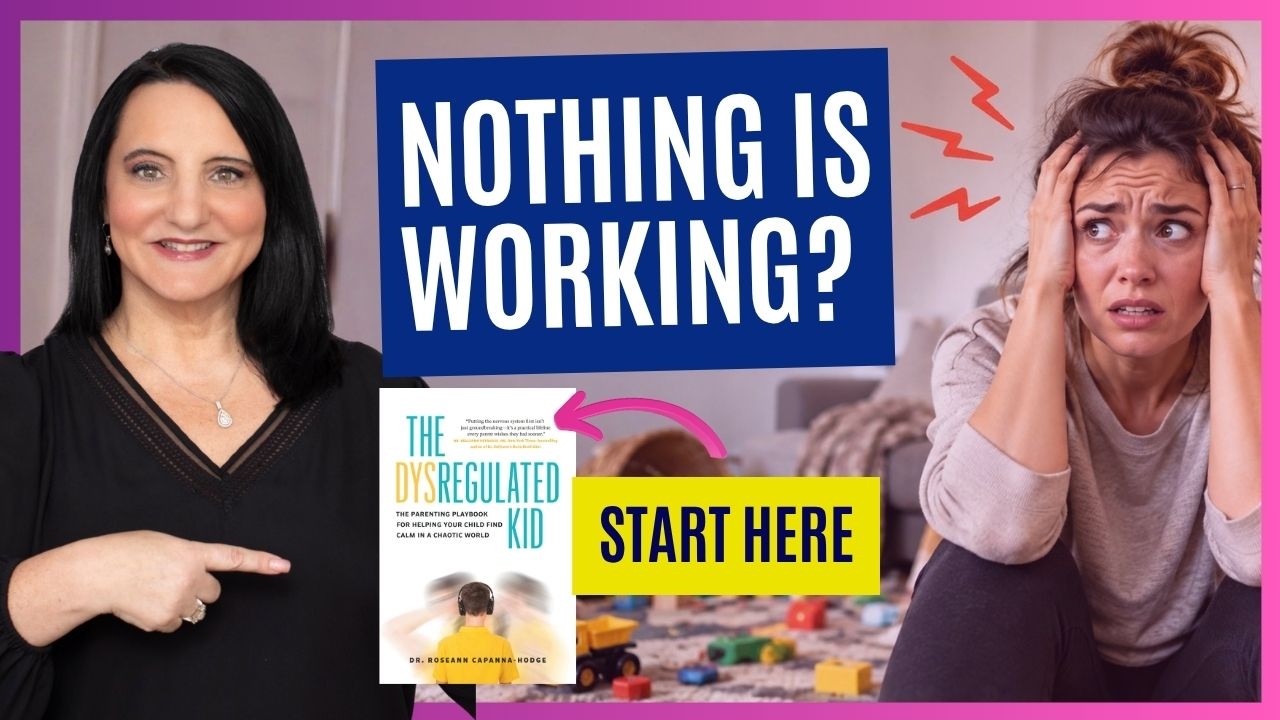
When a capable child struggles in school, it’s easy to focus on grades, motivation, or behavior while missing what’s happening underneath. The Dysregulated Kid® helps you understand how nervous system dysregulation can affect attention, executive functioning, learning, flexibility, and emotional regulation at every age. Once you understand what’s getting in the way, you can stop pushing the behavior and start giving your child’s brain the support it actually needs. Get The Dysregulated Kid® at dysregulatedkid.com.
Dr. Roseann Capanna-Hodge is a licensed therapist, certified school psychologist, and leading expert in emotional dysregulation in children. With over 30 years of experience, she helps parents understand the root causes of meltdowns, anxiety, ADHD, and challenging behavior through the lens of nervous system regulation. Dr. Roseann teaches practical, science-backed strategies for co-regulation and how to calm a dysregulated child using her Regulation First Parenting® approach. She is the host of the Dysregulated Kids Podcast and author of The Dysregulated Kid.
Dr. Roseann Capanna-Hodge
Emotional Dysregulation in Children & Nervous System Expert
Regulation First Parenting® | CALMS Protocol™
Host of the Dysregulated Kids Podcast (Top 1% Globally)
Author of The Dysregulated Kid

Find this helpful? Leave us a review!
Your feedback helps more overwhelmed parents find calm, clarity, and the proven tools that make everyday life easier.
Dr. Roseann Capanna-Hodge: Helping Families of Dysregulated Kids Thrive Through Regulation First Parenting®
As the creator of Regulation First Parenting®, she’s helping families of dysregulated kids discover a compassionate, brain-based path forward. Through The Dysregulated Kids™ Podcast (top 2% globally), she offers practical strategies that help parents understand their child’s brain and support lasting change.
Through The Global Institute of Children’s Mental Health and Dr. Roseann, LLC, she’s created resources like the Neurotastic® Brain Formulas and the Regulation First Parenting® framework—meeting families where they are and supporting them through challenges like ADHD, anxiety, OCD, PANS/PANDAS, and behavioral struggles.
Recognized by Forbes as “a thought leader in children’s mental health,” Dr. Roseann is changing how we understand emotional dysregulation in children—one family at a time.