Find Your Solution
In 3 minutes, you’ll know where to start ➤
%20.png)





Estimated Reading Time: 9 minutes
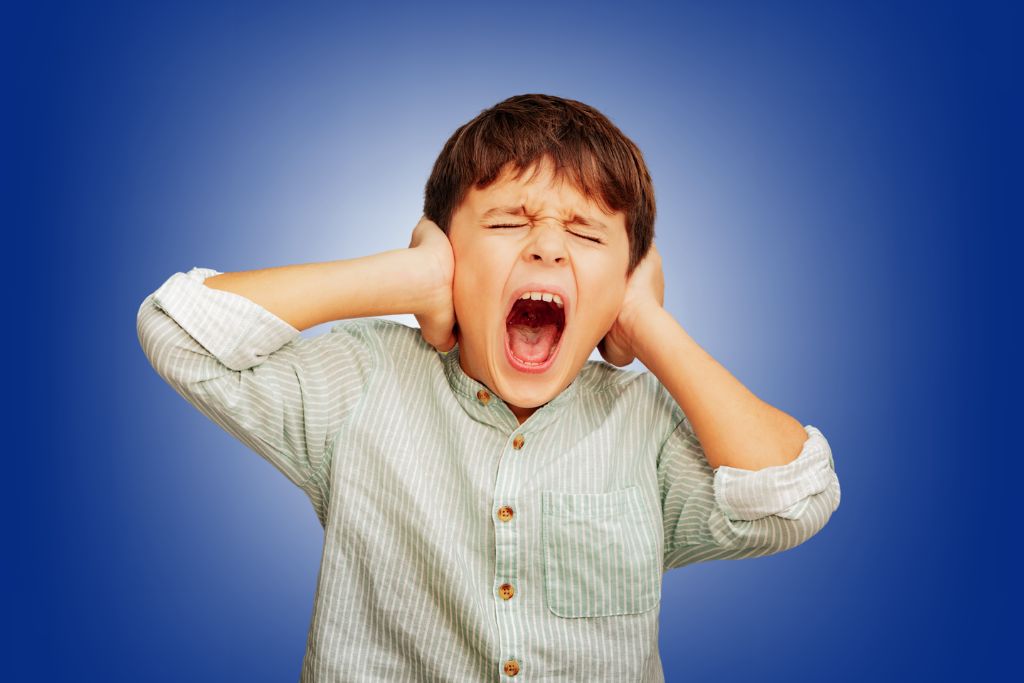
If your child seems to go from calm to chaos in seconds, and you feel like nothing is working, you are not alone. Dysregulation isn’t bad parenting, it’s a stressed nervous system calling for support. Understanding the brain first is key to creating real, lasting change. In this post, we’ll explore how micro steps small, repeatable, intentional actions can help children regulate their emotions, improve focus, and feel safer in their bodies.
Children’s brains are highly responsive to stress, sensory input, and emotional overload. When the nervous system is stuck in a fight-flight-freeze state, behavior becomes unpredictable.
Common signs of dysregulation include:
Parent Example: One child who cried and yelled at the end of every school day began regulating better after adding a 5-minute movement “reset lap” before homework. That simple micro step cut tantrums in half within a month.
Takeaway: Behavior is communication, not defiance. Every meltdown is a window into what your child’s nervous system needs.
Become a Dysregulation Insider VIP and get your FREE Regulation Rescue Kit: How to Stay Calm When Your Child Pushes Your Buttons and Stop Oppositional Behaviors.
Head to www.drroseann.com/newsletter and start your calm parenting journey today.
Micro steps are small, repeatable actions that teach the brain safety and self-regulation. Unlike big interventions, they are accessible, low-pressure, and create consistent neurological cues.
Brain-calming micro steps include:
Neuroscience Insight: Every successful micro step activates dopamine and serotonin pathways, reinforcing calm, building new neural circuits, and gradually strengthening executive functioning skills.
Children co-regulate with adults. Your calm nervous system serves as a template for their own regulation.
What parents can do:
Parent Scenario: A 7-year-old who refused homework daily started calming faster when a parent quietly practiced a 2-minute breathing reset alongside them. Co-regulation lowered tension, making skill-building possible.
Emotional self-regulation is the foundation for learning, social connection, and independent problem-solving. Micro steps provide a low-stakes way to practice regulation repeatedly.
Implementation Ideas:
Tip: Consistency beats intensity. Small steps, practiced daily, are more effective than occasional long sessions.
Micro steps are especially powerful for children with ADHD, anxiety, or learning differences. They help kids:
Parent Example: A child who froze on math after school began completing assignments more efficiently after a 5-minute sensory movement break and a visual checklist was added to their routine.
Supporting Keyword Highlight: Child Behavior Problems, Dysregulated Child, Emotional Dysregulation in Children
Micro steps are most effective when paired with supportive lifestyle adjustments:
Even tiny, incremental changes compound over time to help kids regulate faster and more reliably.
Over time, consistent micro steps lead to:
🗣️ “Micro steps are the foundation of big change. They’re how we move kids from chaos to calm, one small, consistent shift at a time.” — Dr. Roseann
.png)
Offer choices and keep steps tiny: “One breath or one walk?” Kids regulate better when they feel safe and not controlled.
Micro steps create a big impact. When you help the brain calm in little, consistent ways, the nervous system becomes steadier.
Start with one micro step for your nervous system. Following a short morning routine—like a 2-minute stretch, a glass of water, or three deep breaths—can shift your whole day. Regulated parents create regulated kids.
When your child is struggling, time matters.Don’t wait and wonder—use the Solution Matcher to get clear next steps based on your child’s brain and behavior.Take the quiz at www.drroseann.com/help
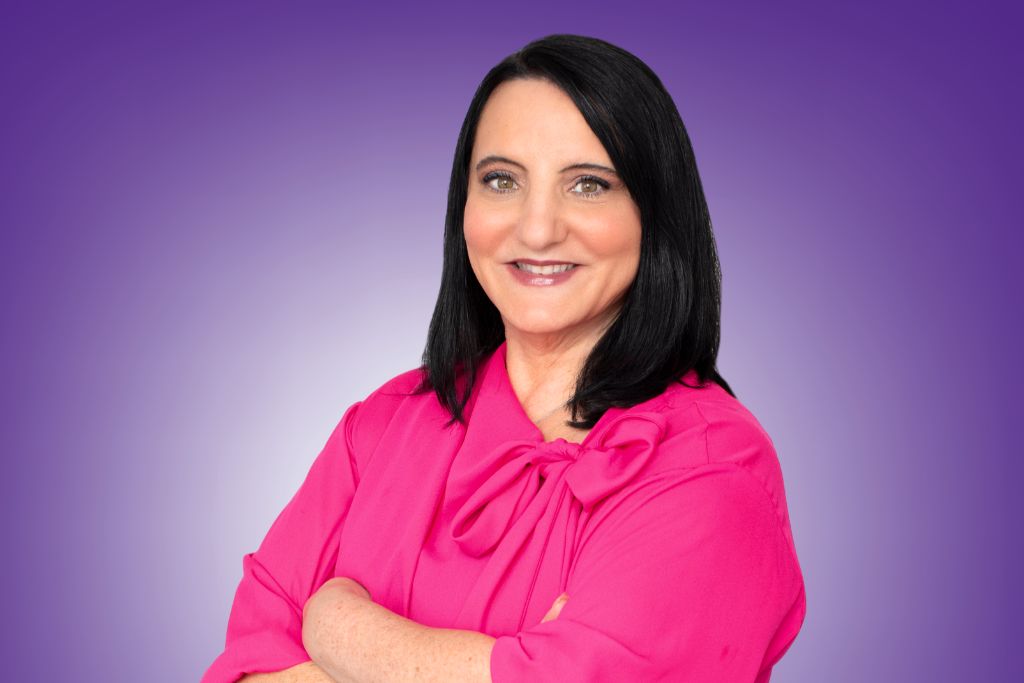
Dr. Roseann Capanna-Hodge is a licensed therapist, certified school psychologist, and leading expert in emotional dysregulation in children. With over 30 years of experience, she helps parents understand the root causes of meltdowns, anxiety, ADHD, and challenging behavior through the lens of nervous system regulation. Dr. Roseann teaches practical, science-backed strategies for co-regulation and how to calm a dysregulated child using her Regulation First Parenting™ approach. She is the host of the Dysregulated Kids Podcast and author of The Dysregulated Kid.
Dr. Roseann Capanna-Hodge
Emotional Dysregulation in Children & Nervous System Expert
Regulation First Parenting™ | CALMS Protocol™
Host of the Dysregulated Kids Podcast (Top 1% Globally)
Author of The Dysregulated Kid