Find Your Solution
In 3 minutes, you’ll know where to start ➤
%20.png)





Discover the real reason you’re stuck in power struggles with your child and why discipline often fails. I’ll show you how understanding your child’s nervous system transforms conflict into calm, using my Regulation First Parenting™ strategies.
Parenting can feel overwhelming, especially when every morning feels like a standoff or every request turns into conflict. You’re not alone. Many parents find themselves exhausted trying discipline systems, charts, or punishments—only to watch the same struggles repeat.
In this episode, I share practical Regulation First Parenting™ strategies to break free from daily power struggles and help your child—and yourself—find calm and connection.
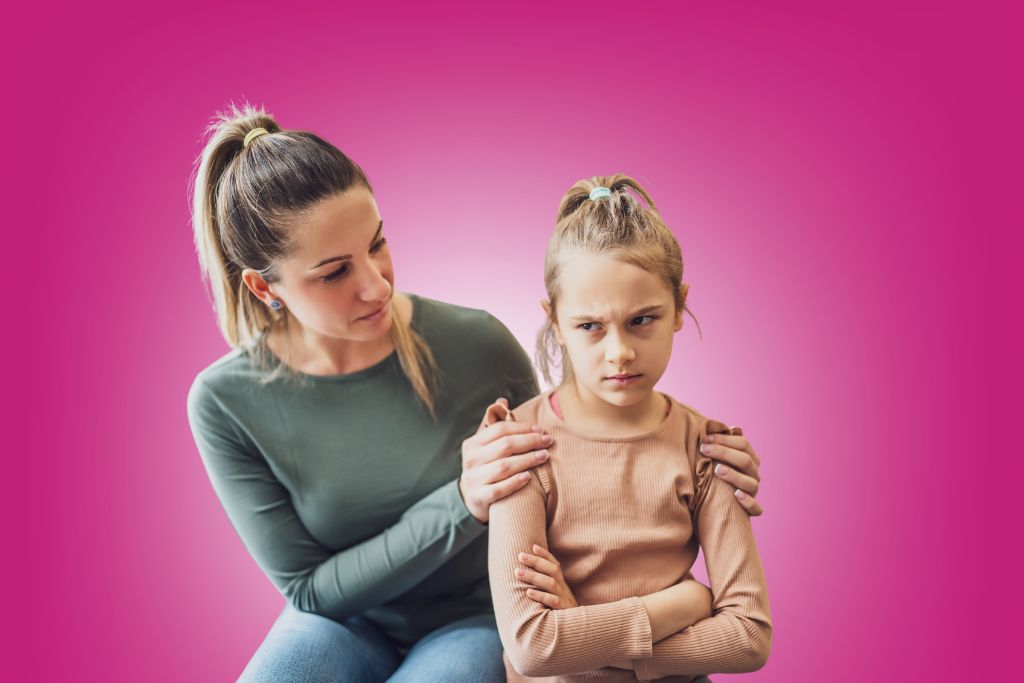
Why am I always stuck in power struggles with my child?
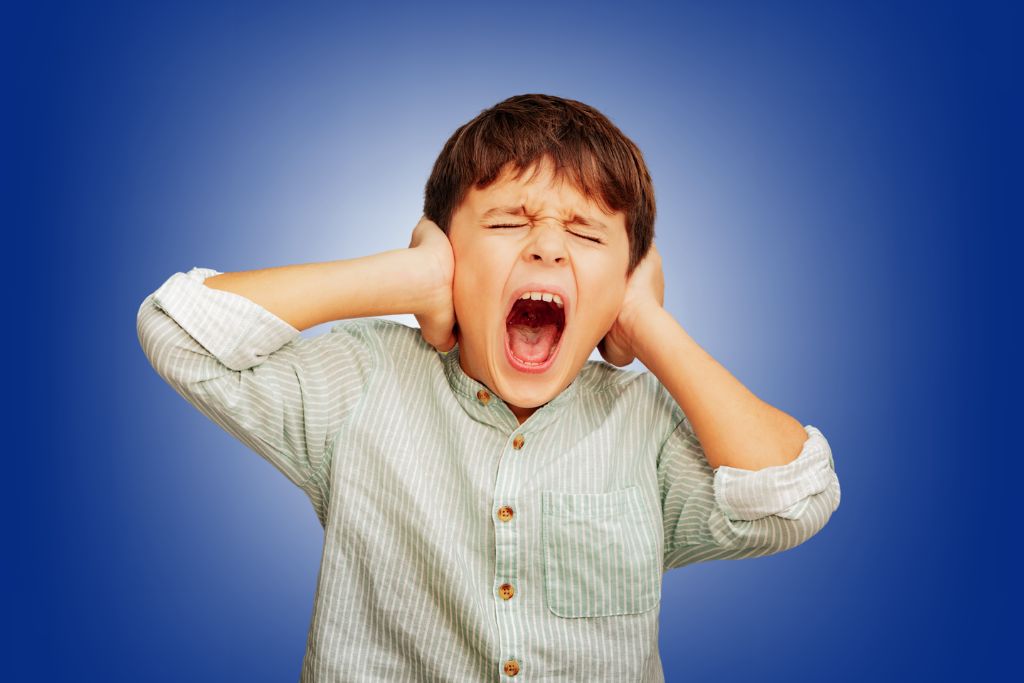
The truth is, power struggles aren’t about willfulness—they’re a direct result of a dysregulated nervous system. When a child’s brain is overstimulated, their emotional brain takes over, and logic and reasoning go offline.
This can affect personal relationships at home and even influence how children interact in their work environment or with peers, making it harder to maintain a fulfilling life for the whole family.
Without understanding these cues, parents can lose sight of their child’s deeper emotional needs, and behaviors may appear as a defense mechanism rather than purposeful disobedience.
Tips to break the cycle:
Real-Life Example
Alex, a 9-year-old, transformed mornings from 45 minutes of chaos to 10 minutes of calm by teaching both him and his mom how to regulate before acting.
How can I teach my child to regulate emotions instead of punishing them?
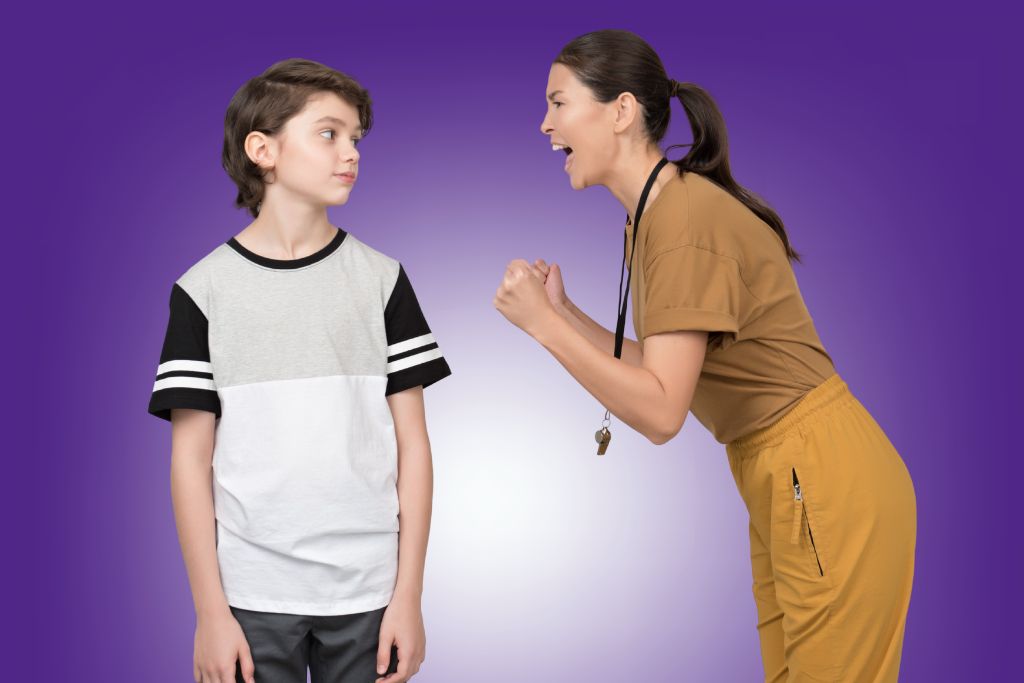
Discipline systems only work when the frontal lobes are online. If a child is stressed, fearful, or dysregulated, punishment will often escalate conflict instead of teaching self-control.
Takeaways:
When your child is dysregulated, it’s easy to feel helpless.
The Regulation Rescue Kit gives you the scripts and strategies you need to stay grounded and in control.
Become a Dysregulation Insider VIP at www.drroseann.com/newsletter and get your free kit today.
What role does my own self-awareness play in power struggles?
Your own feelings and nervous system deeply influence your child’s behavior. Dysregulation spreads—when you’re stressed, your child often mirrors that state.
Strategies:
️ “You can’t teach coping skills until the brain is safe. Calm is the control system your child borrows until they can learn to self-regulate.” — Dr. Roseann
How can I create a more harmonious home and prevent daily conflicts?
Start by building a routine that supports regulation:
Over time, these small, consistent actions build a foundation for confidence, emotional resilience, and better relationships at home and beyond.
Takeaway
Power struggles aren’t about your child being difficult—they’re about a nervous system in overdrive. By pausing, co-regulating, and teaching skills once your child is calm, you create real, lasting change.
With patience and practice, mornings, homework, and transitions can become smoother—and your family’s well-being and connection stronger than ever.
For quick, practical strategies to calm both you and your child in minutes, check out Quick CALM and start transforming your daily routines today.
FAQs
Why do power struggles happen daily?
They occur when a child’s nervous system is dysregulated, making it hard to follow rules or manage emotions.
Can punishment solve power struggles?
Not when a child is dysregulated. Regulation and connection must come first.
How do I calm myself during conflicts?
Pause, breathe, and use a brief regulation ritual before engaging with your child.
What’s the best way to teach emotional regulation?
Model calm, co-regulate, and teach coping skills in safe, low-stress moments.
How long does it take to see improvement?
Small changes often show results in days, but consistent practice builds long-term self-regulation.
When your child is struggling, time matters.
Don’t wait and wonder—use the Solution Matcher to get clear next steps, based on what’s actually going on with your child’s brain and behavior.
Take the quiz at www.drroseann.com/help
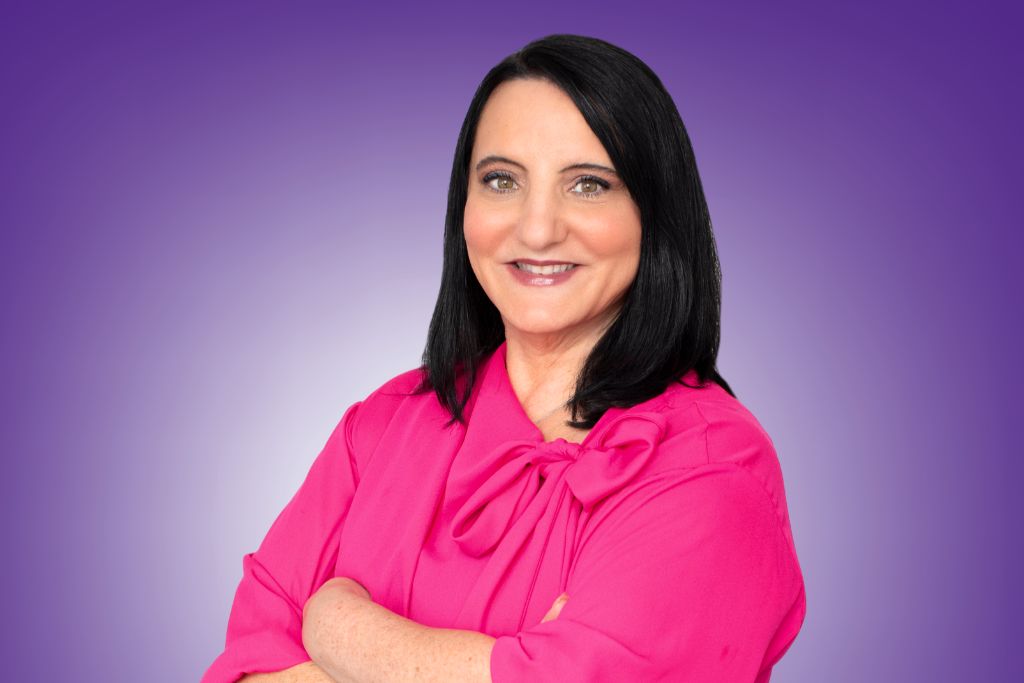
Dr. Roseann Capanna-Hodge is a licensed therapist, certified school psychologist, and leading expert in emotional dysregulation in children. With over 30 years of experience, she helps parents understand the root causes of meltdowns, anxiety, ADHD, and challenging behavior through the lens of nervous system regulation. Dr. Roseann teaches practical, science-backed strategies for co-regulation and how to calm a dysregulated child using her Regulation First Parenting™ approach. She is the host of the Dysregulated Kids Podcast and author of The Dysregulated Kid.
Dr. Roseann Capanna-Hodge
Emotional Dysregulation in Children & Nervous System Expert
Regulation First Parenting™ | CALMS Protocol™
Host of the Dysregulated Kids Podcast (Top 1% Globally)
Author of The Dysregulated Kid