Find Your Solution
In 3 minutes, you’ll know where to start ➤
%20.png)





Estimated reading time: 6 minutes
When you’re watching your child struggle with focus, anxiety, or big behaviors, it’s heartbreaking—and it’s exhausting. You just want something that works without turning your home into a battleground. That’s why this episode matters. We’re talking about PEMF for ADHD, anxiety and depression, a safe, science-backed tool that helps regulate the nervous system and support real mental wellnes, without relying on medication first. This aligns with Regulation First Parenting™, where we calm the brain before correcting behavior.
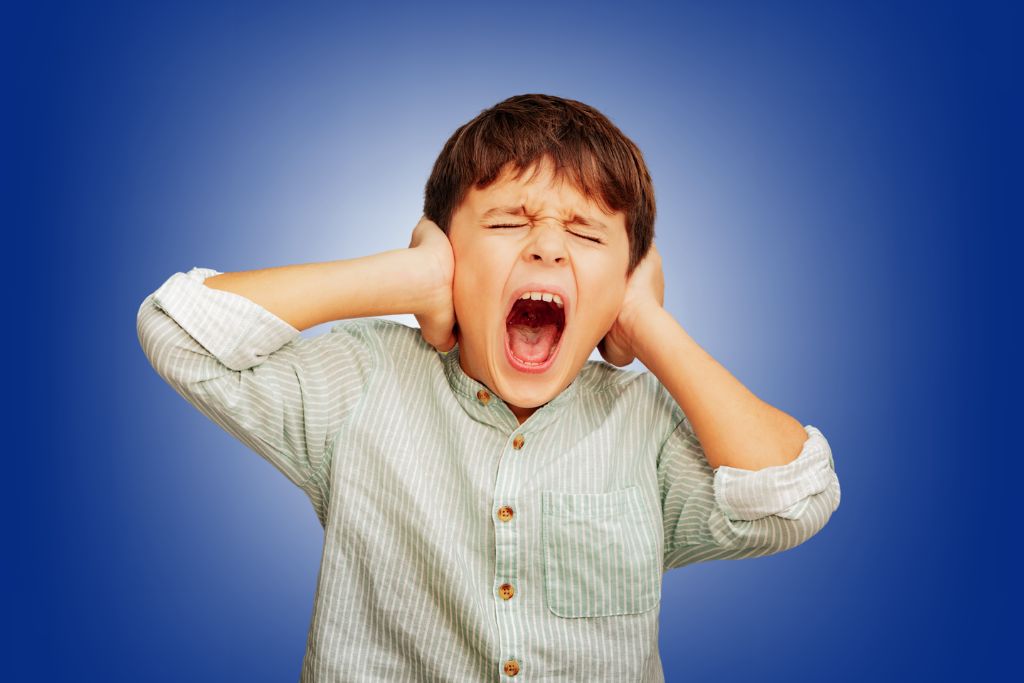
You’ll learn what PEMF is, how it helps calm the brain, why it pairs beautifully with neurofeedback, and how parents are using it daily to support attention, behavior, mood, and stress especially for a dysregulated child and kids with big emotions who struggle daily.
Many parents assume medication is the only or best solution for ADHD, anxiety, or depression. But when the nervous system stays dysregulated, behaviors persist which is common in emotional dysregulation in children. PEMF works by supporting cellular communication and lowering inflammation, which helps the brain shift into a parasympathetic (calm) state—something medication alone can’t do.
Takeaways:
Parent Story: A mom shared that even with medication, her son still had after-school meltdowns. Once they added PEMF, she noticed his “edge” softening within days—he was calmer during transitions and didn’t snap as quickly.
PEMF (Pulsed Electromagnetic Field) uses gentle, low-frequency waves to support the brain and body at a cellular level. The Calm PEMF device delivers these frequencies through simple, portable protocols kids can use anywhere.
This is especially helpful for kids who need consistent support throughout the day.
Takeaways:
Yes. These children often struggle with poor cellular communication, inflammation, and difficulty regulating their nervous system. PEMF supports these foundational processes. My own son JC, who has mitochondrial difficulties, uses PEMF daily—and thrives because it helps his brain and body work more efficiently.
When the body works better, the brain follows.
Takeaways:
When your child is dysregulated, it’s easy to feel helpless. The Regulation Rescue Kit gives you the scripts and strategies you need to stay grounded and in control. Become a Dysregulation Insider VIP at www.drroseann.com/newsletter and get your free kit today.
PEMF and neurofeedback aren’t competitors—they’re partners, especially when supporting a dysregulated child. Neurofeedback trains the brain. PEMF calms the brain. Together, they create powerful shifts. This combination supports both calm and skill building.
Takeaways:
Real-Life Scenario: A teen doing neurofeedback for mood struggled with high stress. Once his family added PEMF, he was able to stay regulated during sessions—and the results came faster.
Many people feel more relaxed almost immediately. Others notice improvements across weeks as inflammation drops and and emotional dysregulation improves.
Takeaways:
🗣️ “PEMF pushes the nervous system down into that parasympathetic hot tub state—people feel calmer almost instantly.”— Dr. Roseann
When you calm the brain first, everything else gets easier—behavior, mood, focus, and emotional regulation. PEMF is a gentle, science-backed tool that supports your child’s nervous system so healing can finally begin. Learn more about Calm PEMF here.
Yes—many studies show PEMF supports focus, attention, and emotional regulation by calming the nervous system.
PEMF is non-invasive and well-researched. It’s widely used for children with ADHD, anxiety, autism, and PANS/PANDAS.
Yes. Daily use boosts long-term brain regulation and stress resilience.
For some kids, yes. For others, it complements their treatment plan. Every brain is different.
Most protocols run 10–20 minutes depending on the goal.Not sure where to start?
Take the guesswork out of helping your child.Use our free Solution Matcher to get a personalized plan based on your child’s unique needs—whether it’s ADHD, anxiety, mood issues, or emotional dysregulation. In just a few minutes, you'll know exactly what support is right for your family.
Start here: www.drroseann.com/help
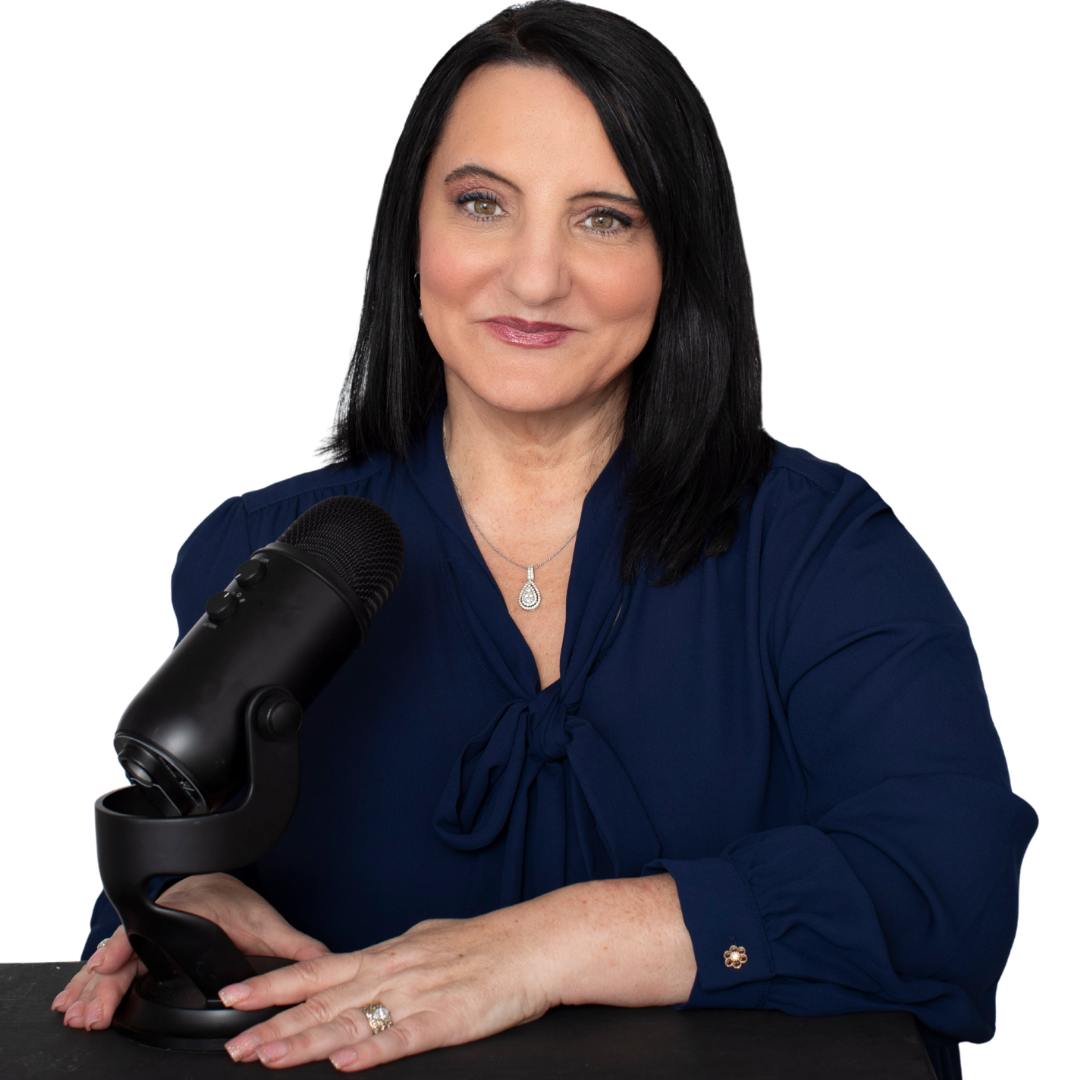
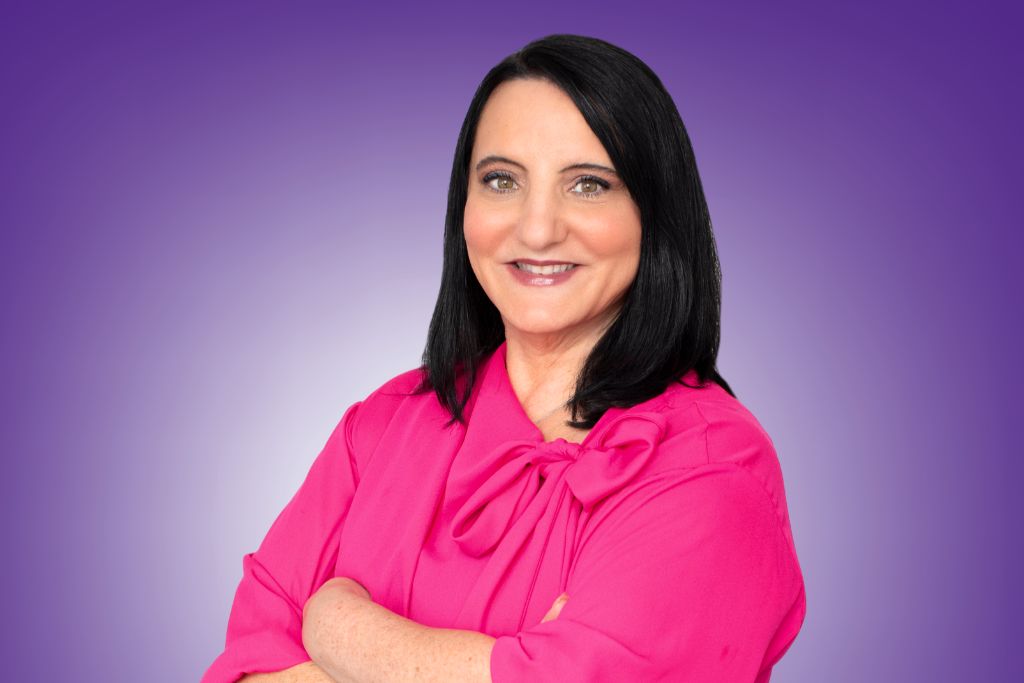
Dr. Roseann Capanna-Hodge is a licensed therapist, certified school psychologist, and leading expert in emotional dysregulation in children. With over 30 years of experience, she helps parents understand the root causes of meltdowns, anxiety, ADHD, and challenging behavior through the lens of nervous system regulation. Dr. Roseann teaches practical, science-backed strategies for co-regulation and how to calm a dysregulated child using her Regulation First Parenting™ approach. She is the host of the Dysregulated Kids Podcast and author of The Dysregulated Kid.
Dr. Roseann Capanna-Hodge
Emotional Dysregulation in Children & Nervous System Expert
Regulation First Parenting™ | CALMS Protocol™
Host of the Dysregulated Kids Podcast (Top 1% Globally)
Author of The Dysregulated Kid