Find Your Solution
In 3 minutes, you’ll know where to start ➤
%20.png)





The Co-Dysregulation Cycle explains why you lose your cool even when you don’t want to. Learn how nervous system overload fuels parenting burnout—and how to use co-regulation techniques to calm the chaos and reconnect with your child.
If you’ve ever promised yourself you’d stay calm—and then suddenly found yourself yelling—you’re not alone. The Co-Dysregulation Cycle is what’s really happening in those moments, and it has everything to do with your nervous system, not your parenting.
What you’ll learn here is powerful: why these blow-ups happen so fast, how your child’s dysregulation impacts your body, and most importantly, how to shift into calm using co-regulation techniques that actually work.
Parents aren’t just dealing with behavior—they’re managing nervous system overload every single day. When your child melts down, refuses, or explodes, it doesn’t just stay with them—it moves into you.
That’s how parental stress and dysregulation builds. You’re constantly bracing for the next outburst, walking on eggshells, and wondering why you feel so reactive.
This isn’t bad parenting—it’s a dysregulated brain. Once you understand the pattern, everything changes. Let’s break it down.
The Co-Dysregulation Cycle is when your child’s emotional state triggers your nervous system—and then your reaction escalates theirs. It’s a loop that feeds itself.
This happens because your nervous systems are deeply connected. Your brain is wired to mirror your child’s emotional state automatically.
And just like that, you’re both caught in a spiral.
Key takeaways:
Real-life example:
You’re cooking dinner. Your child starts whining, then refusing. Within minutes, your shoulders tighten, your voice sharpens—and suddenly you’re yelling. You didn’t plan it. Your nervous system took over.
Because your nervous system is already under pressure.
When you’re parenting a dysregulated child, you’re managing:
Over time, this creates chronic activation—your body is always on alert.
That’s why small things feel big. You’re not overreacting—you’re overloaded.
Key takeaways:
Real-life example:
You snap at your partner or feel impatient at work—not because of them, but because your nervous system has been “on” all day with your child.
Here’s the shift:
Calm doesn’t come from control. Calm spreads through the nervous system.
Your child is constantly reading your nonverbal cues—your tone, posture, breathing. They don’t need a lecture. They need a regulated adult.
This is the foundation of Regulation First Parenting™:
You have to regulate first.
Key takeaways:
Real-life example:
Instead of raising your voice, you slow it down. You soften your posture. Within seconds, your child’s intensity starts to drop—not because you forced it, but because you signaled safety.
When your child is dysregulated, it’s easy to feel helpless.
The Regulation Rescue Kit gives you the scripts and strategies you need to stay grounded and in control.
Become a Dysregulation Insider VIP at www.drroseann.com/newsletter and get your free kit today.
You don’t need perfection—you need a reset.
When things feel like a “hot mess,” start here:
These micro-shifts tell your child’s brain: You’re safe.
Key takeaways:
Real-life example:
Your child is screaming about homework. Instead of arguing, you pause, breathe, and say softly, “I’m here.” The intensity doesn’t disappear instantly—but it starts to come down.
Because you’re living in a constant state of anticipation.
You’re waiting for the next meltdown. The next shutdown. The next hard moment.
That’s parental stress and dysregulation—and it takes a toll on your:
And I’ve been there too. When my own child was struggling, I focused so much on helping him that I ignored my own nervous system—and it made everything harder.
Key takeaways:
Real-life example:
You feel “on edge” all day, even when things are calm. That’s your nervous system stuck in survival mode.
You become the anchor.
Not perfect. Not calm all the time. But more regulated than your child in key moments.
That’s how the cycle shifts—from co-dysregulation to co-regulation.
Key takeaways:
Real-life example:
Over time, your child starts recovering faster from meltdowns. The intensity decreases. Not overnight—but steadily.
“Two dysregulated nervous systems can’t create calm—but one regulated nervous system can change everything.”— Dr. Roseann
If you’ve been stuck in the Co-Dysregulation Cycle, it’s not because you’re failing—it’s because your nervous system has been under too much pressure for too long.
And here’s the good news:
You don’t need to fix everything. You just need to regulate first.
Ready for your next step? Start small and build from there:
When you shift your nervous system—even slightly—you change the entire dynamic. And that’s where real change begins.
Start with small resets: breathing, pausing, and lowering your voice. These calm your nervous system and help your child regulate too.
Most of the time, it’s dysregulation. Behavior is communication—your child is showing you they’re overwhelmed.
They’re ways you use your calm nervous system to help your child feel safe—like soft tone, slow breathing, and relaxed body language.
Yes. Chronic stress keeps your nervous system activated, making it harder to stay calm in tough moments.
Tired of not knowing what’s really going on with your child?
The Solution Matcher gives you a personalized recommendation based on your child’s behavior, not just a label.
It’s free, takes just a few minutes, and shows you the best next step.
Go to www.drroseann.com/help
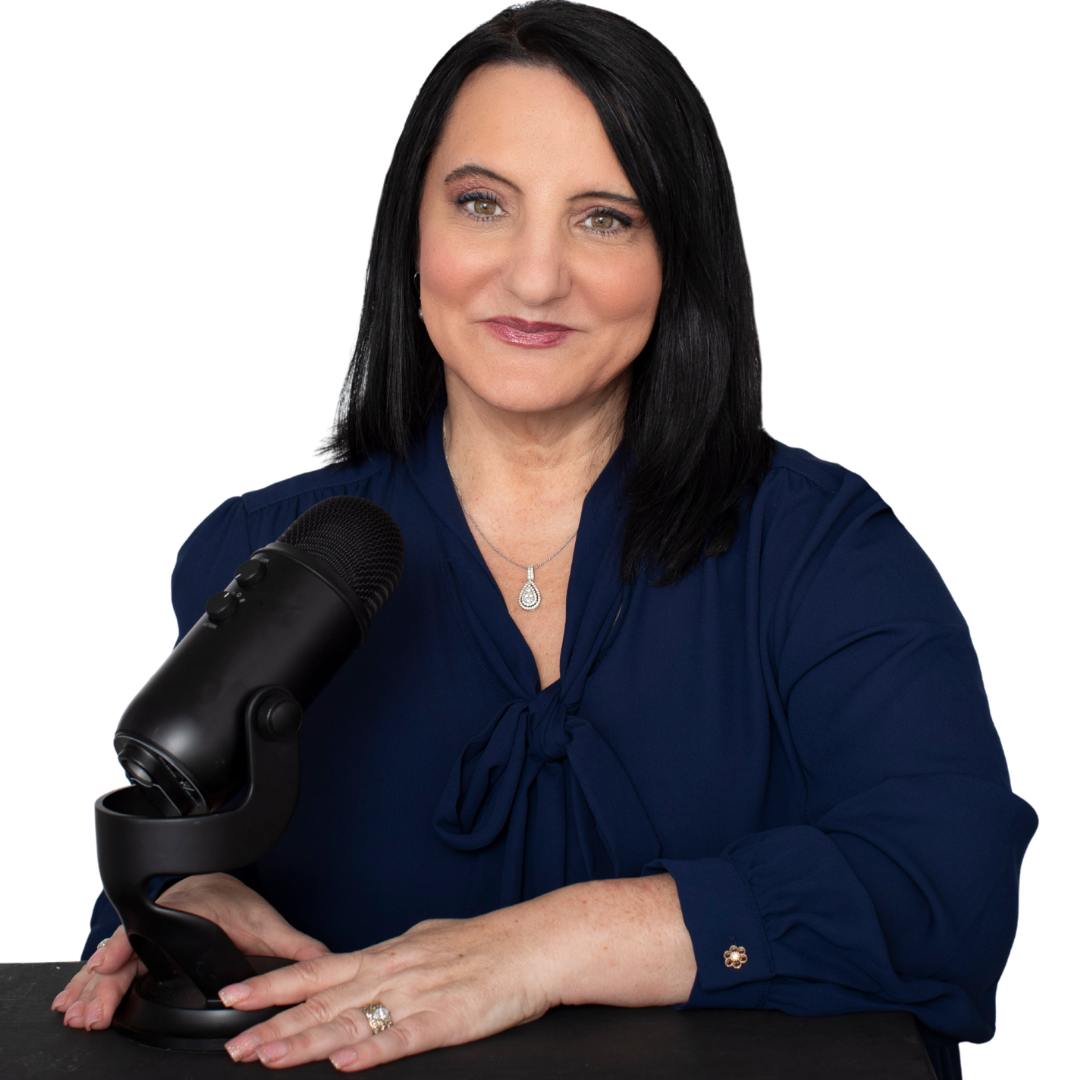
Dr. Roseann Capanna-Hodge is a licensed therapist, certified school psychologist, and leading expert in emotional dysregulation in children. With over 30 years of experience, she helps parents understand the root causes of meltdowns, anxiety, ADHD, and challenging behavior through the lens of nervous system regulation. Dr. Roseann teaches practical, science-backed strategies for co-regulation and how to calm a dysregulated child using her Regulation First Parenting™ approach. She is the host of the Dysregulated Kids Podcast and author of The Dysregulated Kid.
Dr. Roseann Capanna-Hodge
Emotional Dysregulation in Children & Nervous System Expert
Regulation First Parenting™ | CALMS Protocol™
Host of the Dysregulated Kids Podcast (Top 1% Globally)
Author of The Dysregulated Kid