Find Your Solution
In 3 minutes, you’ll know where to start ➤
%20.png)





Why your child can’t stop and think even when they want to is often not a behavior issue—it’s a nervous system issue. If your child impulsively reacts, melts down, or shuts down despite trying not to, this guide will help you understand what’s really happening and what actually works.
If you’ve ever watched your child promise they’ll “do better” only to repeat the same impulsive behavior, you’re not alone. The question of why your child can’t stop and think even when they want to is one of the most common challenges parents face.
What you’re seeing isn’t defiance. It’s a dysregulated nervous system. So, let’s calm the brain first. Because when you understand what’s really happening underneath the behavior, everything changes.
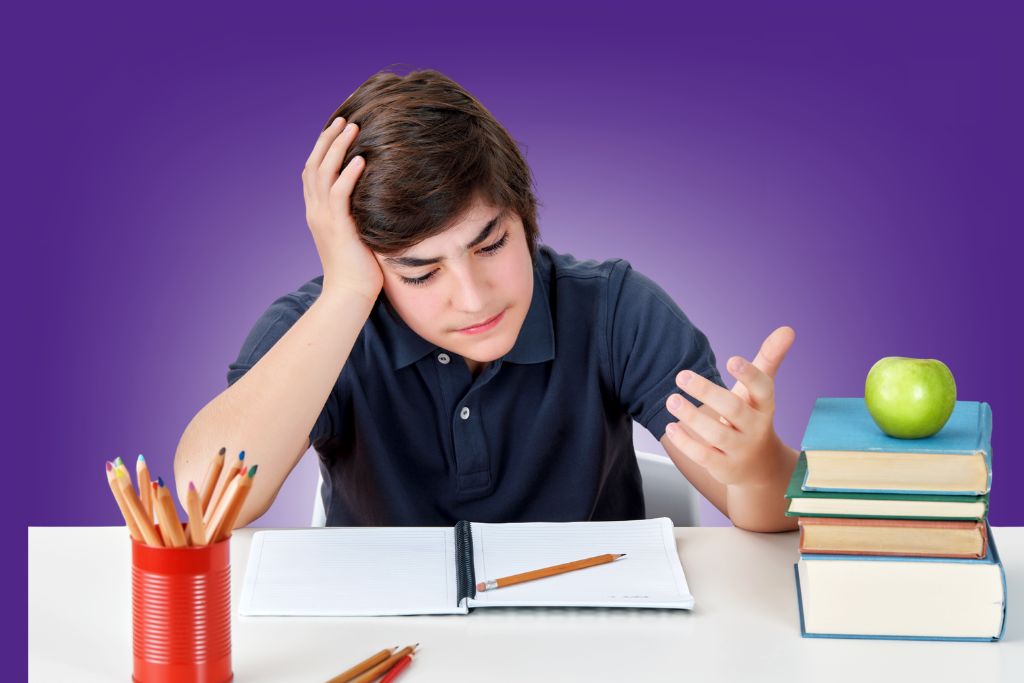
Parents of impulsive kids often feel like nothing is working—and it’s exhausting. One minute your child is trying so hard, and the next, they’re melting down. It leaves you wondering, Why can’t they just stop and think?
It’s easy to see this as a behavior problem. But what you’re actually seeing is a stress response—not misbehavior. Once you understand how the nervous system drives impulse control, you can stop reacting to the behavior and start building real change.
When a child is overwhelmed, their thinking brain goes offline and the survival brain takes over. In that state, impulse control isn’t available—even if they want to behave differently.
This is a stress response, not a choice. Behavior is communication, and impulsivity often signals a brain under stress.
Key takeaways:
Real-life example:
A child promises not to hit their sibling. Moments later, frustration triggers an instant reaction. Afterward, they feel remorse. The reaction came from survival mode, not reflective thinking.
Impulsivity is often misunderstood as poor behavior, but it’s frequently rooted in nervous system dysregulation in children. When the nervous system is either over-activated (flooded) or under-activated (low energy), the ability to pause and think is compromised.
This is why impulsivity can look different across children. Some are reactive and explosive. Others are distracted or constantly seeking input. Both lack consistent regulation.
Key takeaways:
Real-life example:
One child may yell and shove when overwhelmed after school, while another may zone out or seek constant stimulation. Both are struggling with regulation—but in different ways.
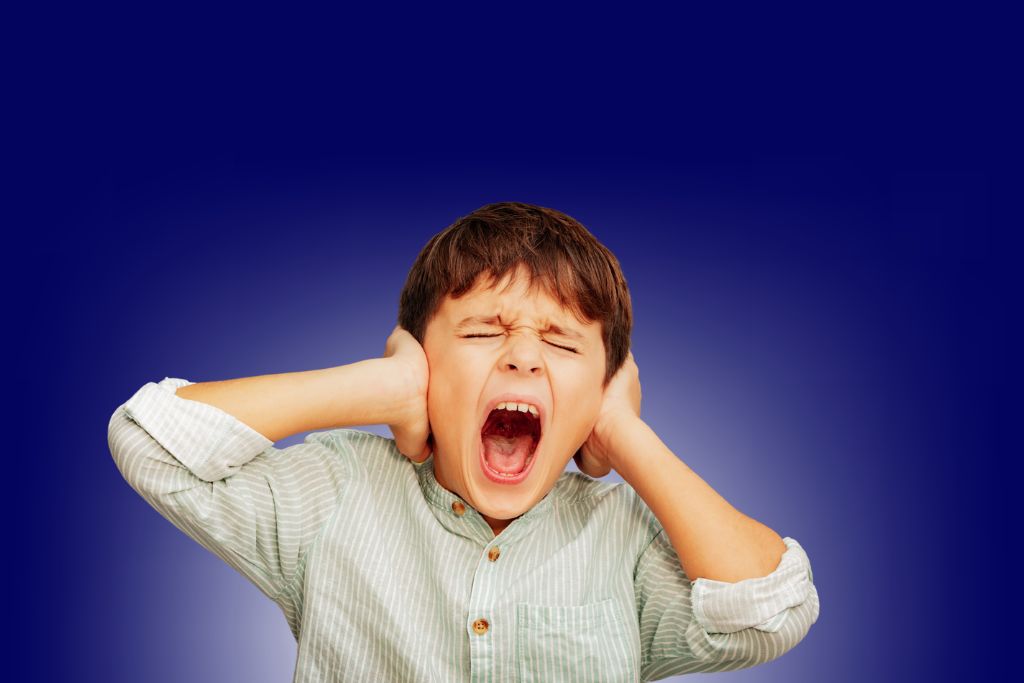
Meltdowns in children often occur because the nervous system has already reached its limit. Once the “stress cup” overflows, the child no longer has access to reflection, problem-solving, or self-control.
This is why a child can appear calm one moment and completely lose control the next. It’s not that they didn’t try—it’s that their brain could no longer regulate.
Key takeaways:
Real-life example:
A child holds it together all day at school, then melts down at home over homework or a simple request. Home becomes the “safe place” where the nervous system releases stored stress.
Nervous system regulation in children is the foundation of impulse control. When a child feels safe, supported, and regulated, their brain can access the thinking centers needed to pause, reflect, and respond.
Impulse control isn’t something you can force through rules or consequences alone. It develops when the brain consistently experiences regulation, co-regulation, and safety.
Key takeaways:
VISUAL: What a regulated brain needs first
Real-life example:
A child who struggles with impulsivity begins to show improvement when parents shift from reacting with frustration to staying calm, validating feelings, and guiding the child through moments of overwhelm.
You don’t have to figure this out alone.
Become a Dysregulation Insider VIP and get your FREE Regulation Rescue Kit: How to Stay Calm When Your Child Pushes Your Buttons and Stop Oppositional Behaviors.
Head to www.drroseann.com/newsletter and start your calm parenting journey today.
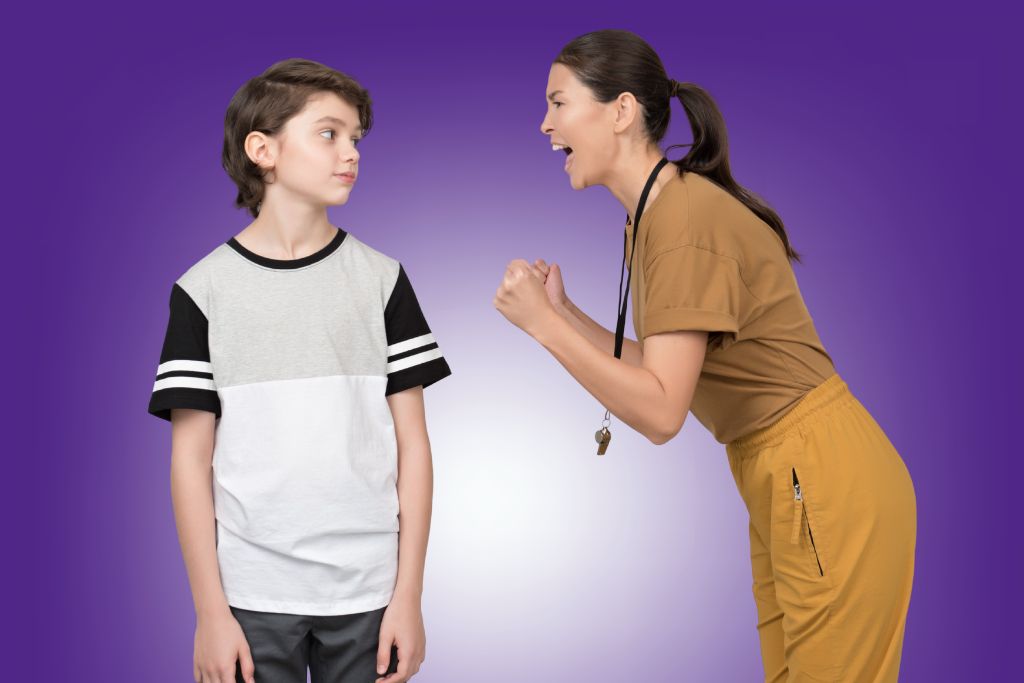
When a child is already dysregulated, stricter rules, yelling, or punishment increase the threat. That activates the stress response and shuts down thinking and self-control.
In those moments, the brain goes deeper into survival mode. So what feels like discipline can actually reinforce the behavior you’re trying to stop.
Key takeaways:
Real-life example:
A parent raises their voice to stop impulsive behavior. The child escalates further, shuts down, or reacts again. The cycle repeats because the nervous system remains in a heightened state.
“Most impulsive kids aren’t oppositional—they’re overloaded. What you’re seeing is a stress response, not misbehavior.” — Dr. Roseann
Helping your child build impulse control starts with regulation—not correction. You can’t teach self-control to a brain that feels unsafe or overwhelmed. The goal is to calm the nervous system first so the thinking brain can come back online.
This is where co-regulation plays a critical role. When you stay calm, you help your child’s nervous system settle, creating space for learning and growth.
Key takeaways:
Real-life example:
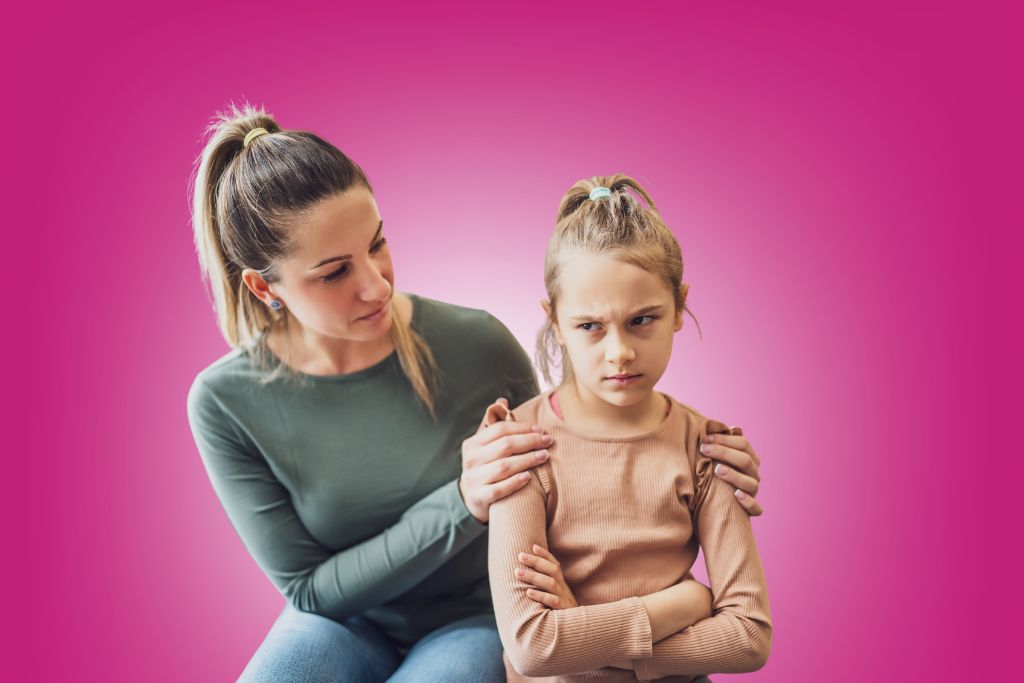
When confronted with a child’s impulsive behavior, a parent pauses, gets down to the child’s level, and offers calm guidance: “I see you’re having a hard time. Let’s slow down together.”
Your child is borrowing your nervous system in those moments. Over time, this builds the child’s capacity to pause.
When Impulse Control Isn’t a Choice—It’s the Nervous System
If your child can’t stop and think even when they want to, it isn’t about willpower—it’s about the nervous system. When the brain is dysregulated, impulse control temporarily goes offline.
The shift happens when we stop focusing only on behavior and start supporting regulation. Your calm presence, your co-regulation, and your understanding of your child’s brain state are what create lasting change.
It’s not about doing more—it’s about responding differently. If you’re ready to understand your child on a deeper level—and stop guessing—The Dysregulated Kid is your next step.
Start with co-regulation and stay calm. When your child feels safe, their nervous system can settle. Over time, this builds their ability to regulate independently.
If your child “can’t stop” even when they want to, it’s likely dysregulation. Defiance is intentional; dysregulation is not.
Consequences don’t work well when a child is dysregulated. Stress shuts down the thinking brain, making it harder to pause and choose differently. Regulation—not punishment—is what helps build real impulse control.
Every child’s journey is different. That’s why cookie-cutter solutions don’t work.
Take the free Solution Matcher Quiz and get a customized path to support your child’s emotional and behavioral needs—no guessing, no fluff.
Start today at www.drroseann.com/help
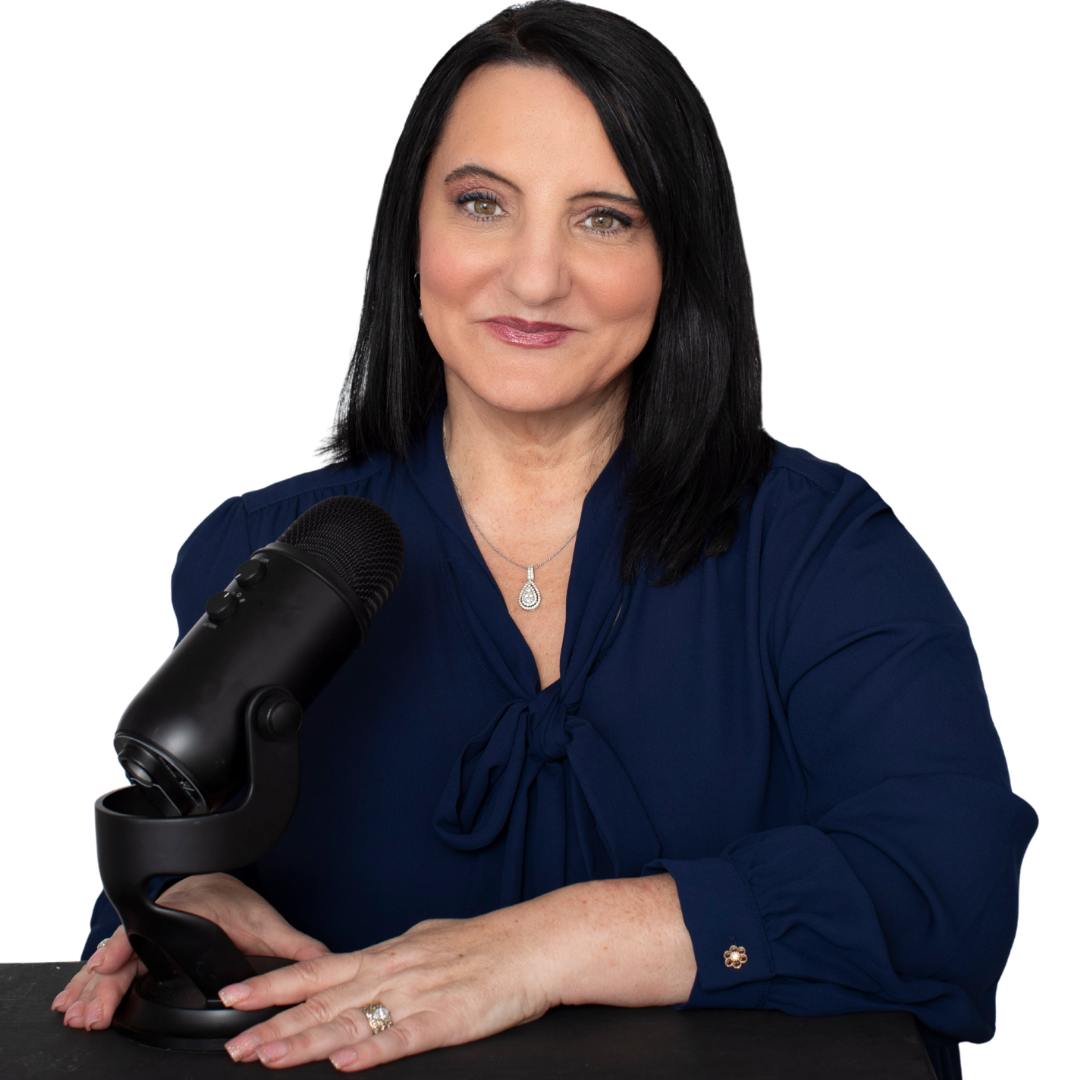
Dr. Roseann Capanna-Hodge is a licensed therapist, certified school psychologist, and leading expert in emotional dysregulation in children. With over 30 years of experience, she helps parents understand the root causes of meltdowns, anxiety, ADHD, and challenging behavior through the lens of nervous system regulation. Dr. Roseann teaches practical, science-backed strategies for co-regulation and how to calm a dysregulated child using her Regulation First Parenting™ approach. She is the host of the Dysregulated Kids Podcast and author of The Dysregulated Kid.
Dr. Roseann Capanna-Hodge
Emotional Dysregulation in Children & Nervous System Expert
Regulation First Parenting™ | CALMS Protocol™
Host of the Dysregulated Kids Podcast (Top 1% Globally)
Author of The Dysregulated Kid