
Join the Dysregulation Insider get free calm parenting tips straight to your inbox!
YES, I'M IN!What Causes PANS/PANDAS Onset and Triggers Flares? Regulation First Parenting® | E278





Estimated reading time: 5 minutes
Watching your child suddenly spiral with OCD, anxiety, or mood swings can feel terrifying and completely overwhelming. You’re not alone. Many parents face the confusion of sudden behavioral changes with no clear explanation.
In this episode, I break down what causes PANS and PANDAS to start and what triggers flare-ups, giving you actionable strategies to support your child holistically. You’ll learn how infections, stress, diet, environment, and nervous system dysregulation all play a role and what steps you can take to calm the brain first and reduce flares.
Why Does My Child Suddenly Develop PANS or PANDAS?
PANS (Pediatric Acute-onset Neuropsychiatric Syndrome) and PANDAS (Pediatric Autoimmune Neuropsychiatric Disorder Associated with Strep) often appear almost overnight. They’re triggered by infections, toxins, or autoimmune responses that cause the body to misfire and attack the brain.
- Common triggers: Strep for PANDAS, other infections like COVID, Epstein-Barr, or tick-borne illnesses for PANS
- Underlying factor: Neuroinflammation that affects mood, behavior, and cognition
Parent Story
A mother shared that her 8-year-old was perfectly fine until a mild flu seemed to flip everything upside down, suddenly, OCD rituals and severe anxiety appeared.
How Do Environmental Factors Trigger PANS/PANDAS Flares?
Beyond infections, mold, toxins, allergens, and even household chemicals can exacerbate symptoms or spark flares. Children with sensitive immune systems may react strongly even to low-level exposure.
- Immune dysregulation: Genetics, poor diet, stress, or prior illnesses increase vulnerability
- Environmental triggers: Mold in 50% of homes, pesticides, cleaning products, synthetic fabrics
- Tip: Track exposure patterns, linking flares to environmental factors often reveals actionable solutions
Can Nervous System Dysregulation Make Symptoms Worse?
Absolutely. Chronic stress, trauma, or ongoing nervous system activation diverts the body’s resources away from healing, making flares more likely.
- Nutrient support: Magnesium, vitamin C, vitamin D, and other essential nutrients help the brain and immune system recover
- Calming strategies: Breathing exercises, co-regulation, and neurofeedback can return the nervous system to parasympathetic balance
Parent Story
A parent shared that after focusing on daily calming routines, her child’s flare severity decreased noticeably, even during minor infections.
Yelling less and staying calm isn’t about being perfect—it’s about having the right tools.
Join the Dysregulation Insider VIP list and get your FREE Regulation Rescue Kit, designed to help you handle oppositional behaviors without losing it.
Download it now at www.drroseann.com/newsletter
How Do Diet and Nutrition Impact PANS/PANDAS Flares?
What your child eats or doesn’t eat can directly influence symptom intensity. Nutrient deficiencies or inflammatory foods like sugar, wheat, and dairy can worsen flares.
- Practical tips: Bone broth, smoothies, supplements, and anti-inflammatory foods
- Avoid triggers: Glyphosate-contaminated wheat, highly processed foods
- Tracking tip: Keep a weekly log of symptoms vs. meals to identify patterns
🗣️ “It’s not bad parenting, it’s a dysregulated brain. When we calm the nervous system and support the body with nutrients, environment, and consistent routines, children can regain stability and feel relief.” — Dr. Roseann
Early Warning Signs Parents Often Miss
Parents frequently ask: “How do I know this is more than a bad day?” Early detection of PANS/PANDAS can prevent prolonged dysregulation. Look for subtle cues in daily life:
- Sudden increase in emotional dysregulation in children
- Micro-meltdowns or anxiety spikes after minor stressors
- Regression in school skills or social interactions
- Unexplained irritability, aggression, or obsessive behaviors
Parent Example: One mom noticed her child suddenly resisted morning routines and started repeating obsessive rituals. Recognizing these early signs helped her advocate for an immediate evaluation, preventing a full flare.
Tracking Triggers to Reduce Flare Frequency
Parents often feel helpless because flares appear unpredictable. Tracking triggers is key to supporting nervous system regulation in children. By keeping a log of patterns, parents can anticipate stressors and adjust routines:
- Note illnesses, sleep disruptions, or dietary changes
- Observe environmental exposures like mold or allergens
- Track emotional and behavioral patterns throughout the day
- Use simple charts or journals for visual tracking
Parent Example: A father tracked his daughter’s flares alongside sugar intake and screen exposure. Adjusting these factors reduced evening meltdowns by half within two weeks.
Takeaway & What’s Next
Understanding the onset and triggers of PANS and PANDAS is empowering because it gives you the tools to prevent flares and support your child effectively. Remember, it’s gonna be OK, with the right approach, nervous system support, and proactive strategies, children can heal and thrive.
For a practical guide, download our Natural PANS/PANDAS Kit to fast-track recovery without medication: https://drroseann.com/panskit

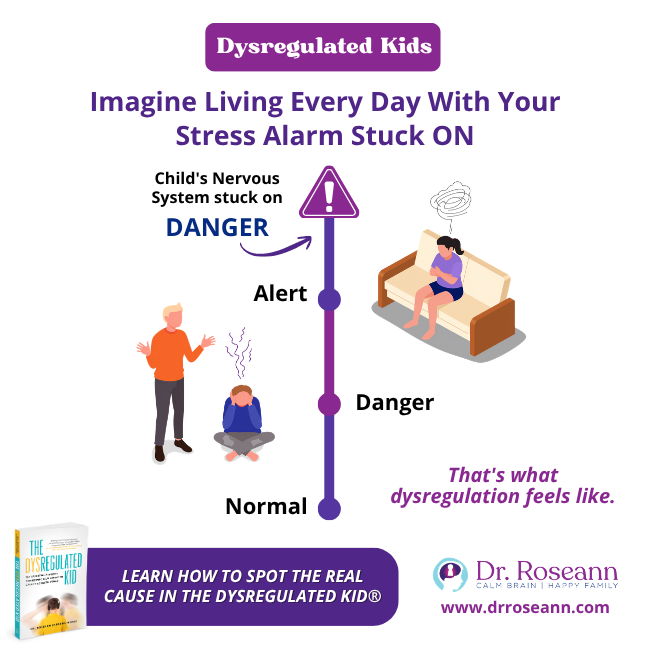
With PANS/PANDAS, parents often become detectives because a flare can feel like it came out of nowhere. The Dysregulated Kid® teaches you to look for patterns beneath behavior and recognize when your child’s nervous system is moving toward overload. While parenting tools don’t replace appropriate medical evaluation for PANS/PANDAS, understanding dysregulation can change how you respond during difficult periods. Instead of treating every reaction as willful behavior, you can regulate first, reduce unnecessary stress, and support a brain that is already working hard. Get The Dysregulated Kid® at dysregulatedkid.com.
FAQs
What infections trigger PANS or PANDAS?
Strep is the primary PANDAS trigger, while PANS can be triggered by flu, COVID, Epstein-Barr, tick-borne illnesses, or even mild viral infections.
Can mold exposure cause PANS flares?
Yes—mold and environmental toxins can trigger neuroinflammation, especially in children with sensitive immune systems.
How does stress influence PANS or PANDAS?
Chronic stress or nervous system dysregulation diverts resources from healing, increasing flare risk and worsening behavioral symptoms.
Which nutrients help prevent PANS/PANDAS flares?
Magnesium, vitamin C, vitamin D, and a balanced diet rich in anti-inflammatory foods support brain and immune health.
Are dietary changes effective for managing flares?
Yes—reducing inflammatory foods, tracking triggers, and adding nutrient-rich meals or supplements can significantly reduce flare severity.
Every child’s journey is different. That’s why cookie-cutter solutions don’t work.
Take the free Solution Matcher Quiz and get a customized path to support your child’s emotional and behavioral needs—no guessing, no fluff.
Start today at www.drroseann.com/help
Dr. Roseann Capanna-Hodge is a licensed therapist, certified school psychologist, and leading expert in emotional dysregulation in children. With over 30 years of experience, she helps parents understand the root causes of meltdowns, anxiety, ADHD, and challenging behavior through the lens of nervous system regulation. Dr. Roseann teaches practical, science-backed strategies for co-regulation and how to calm a dysregulated child using her Regulation First Parenting® approach. She is the host of the Dysregulated Kids Podcast and author of The Dysregulated Kid.
Dr. Roseann Capanna-Hodge
Emotional Dysregulation in Children & Nervous System Expert
Regulation First Parenting® | CALMS Protocol™
Host of the Dysregulated Kids Podcast (Top 1% Globally)
Author of The Dysregulated Kid

Find this helpful? Leave us a review!
Your feedback helps more overwhelmed parents find calm, clarity, and the proven tools that make everyday life easier.
Dr. Roseann Capanna-Hodge: Helping Families of Dysregulated Kids Thrive Through Regulation First Parenting®
As the creator of Regulation First Parenting®, she’s helping families of dysregulated kids discover a compassionate, brain-based path forward. Through The Dysregulated Kids™ Podcast (top 2% globally), she offers practical strategies that help parents understand their child’s brain and support lasting change.
Through The Global Institute of Children’s Mental Health and Dr. Roseann, LLC, she’s created resources like the Neurotastic® Brain Formulas and the Regulation First Parenting® framework—meeting families where they are and supporting them through challenges like ADHD, anxiety, OCD, PANS/PANDAS, and behavioral struggles.
Recognized by Forbes as “a thought leader in children’s mental health,” Dr. Roseann is changing how we understand emotional dysregulation in children—one family at a time.