Find Your Solution
In 3 minutes, you’ll know where to start ➤
%20.png)





If you’ve spent months—or years—in therapy and your child is still melting down, avoiding schoolwork, or unable to calm their body, you are not alone. And it’s not because the therapy is “bad” or you’re doing anything wrong. The real issue is that their brain can’t use the strategies yet.
That’s where neurofeedback comes in. Today’s episode dives deep into the science of why so many kids stay stuck and why regulation must come first before any traditional therapy can work.
It’s not your parenting, and it’s not that therapy “failed.”
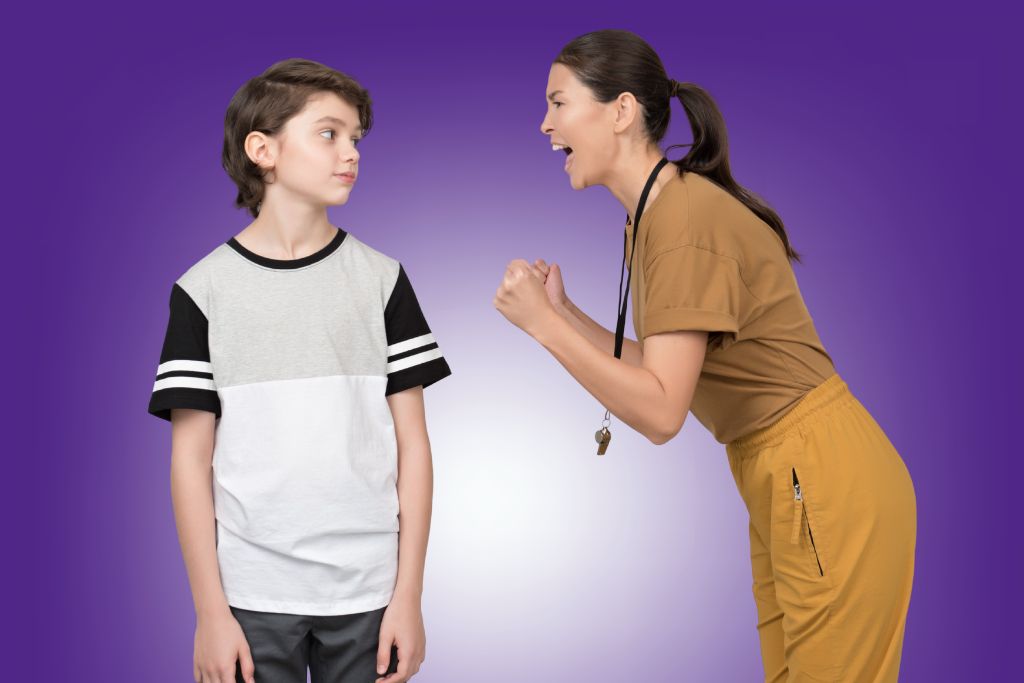
Often, traditional talk therapy assumes the prefrontal cortex—our thinking brain—is online. When your child is stuck in fight, flight, or freeze, that part of the brain shuts down, affecting how your brain functions, cognitive function, and overall brain health.
Key takeaways:
Real-Life Example
Ethan struggled for two years in therapy. He could talk about his feelings but couldn’t apply any strategies at home, showing that knowledge alone doesn’t fix brain dysregulation or improve cognitive function.
Once neurofeedback training targeted his brain’s communication centers through QEEG brain mapping, he began to pause, self-regulate, and thrive.
This shows how brain science and precise interventions can create better mental health, strengthen overall brain function, and help children manage mental health disorders more effectively.
Neurofeedback uses real-time feedback to train the brain to recognize and correct its own brainwave patterns. Using QEEG brain mapping, practitioners identify areas of brain dysregulation and guide the nervous system back to balance.
Tips for parents:
A child resistant to therapy often refuses to engage. With neurofeedback, even small, gentle “micro-workouts” of brain training can create lasting changes in nervous system regulation.
Feeling stuck in constant meltdowns or anxious moments at home?
Take control of meltdowns with Quick CALM™, a science-backed mini-course with the essential tools to calm your child’s brain—and yours too—so peace can finally return to your home.
Look for these red flags:
Remember: It’s not about motivation—it’s about biology.
Neurofeedback therapy gives the brain a way to self-regulate, making all other interventions more effective.
🗣️ “When the nervous system learns to calm itself, kids don’t just behave better—they think differently, communicate differently, and feel different. That’s the power of regulating the brain first.” —Dr. Roseann
If you’re tired of walking on eggshells or feeling like nothing works… Get the FREE Regulation Rescue Kit and finally learn what to say and do in the heat of the moment. Become a Dysregulation Insider VIP at www.drroseann.com/newsletter and take the first step to a calmer home.
How does neurofeedback support other mental health challenges?
By targeting brainwave patterns like high beta (stress and anxiety) or theta (distractibility), neurofeedback retrains the brain’s ability to self-regulate, improving overall mental health and well-being.
In short: Neurofeedback doesn’t just teach skills—it changes how the brain learns, thinks, and responds to life’s challenges.
Yes. Resistance often signals the brain isn’t regulated. Neurofeedback offers a gentle, effective pathway.
Many families see changes within weeks, though lasting benefits come with consistent sessions.
Generally yes, but sessions should be tailored by a certified provider for children with complex needs.
Absolutely. By stabilizing brain activity, kids experience better focus, emotional regulation, and sleep quality.
No. Neurofeedback amplifies therapy’s effectiveness by preparing the brain to learn and self-regulate.
Feel like you’ve tried everything and still don’t have answers?The Solution Matcher helps you find the best starting point based on your child’s symptoms, behaviors, and history. It’s fast, free, and based on decades of clinical expertise.Get your personalized plan now at www.drroseann.com/help
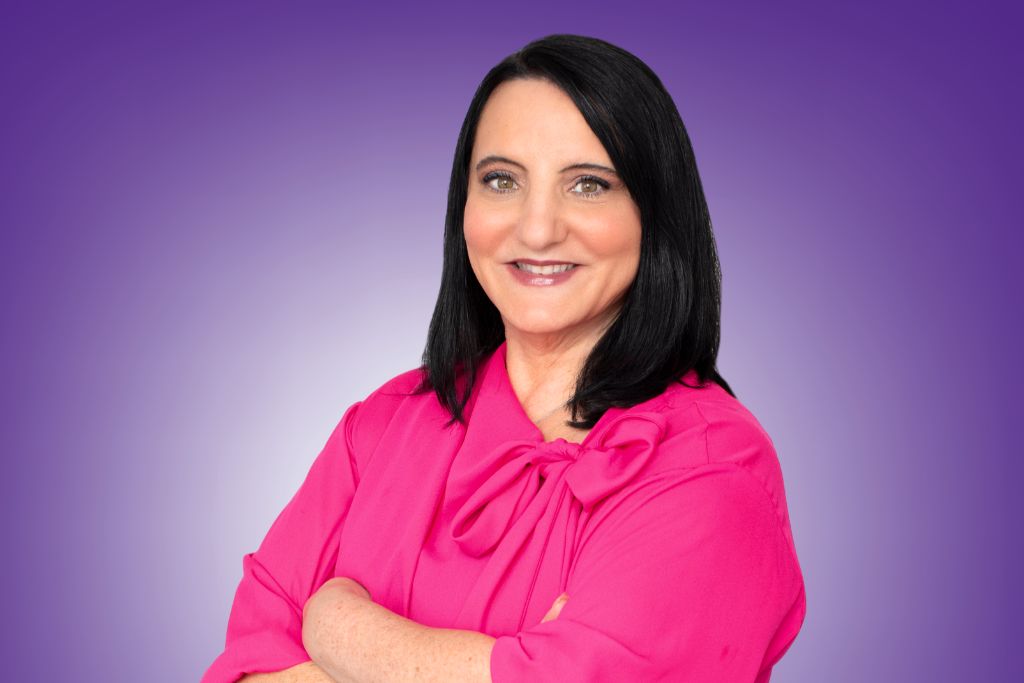
Dr. Roseann Capanna-Hodge is a licensed therapist, certified school psychologist, and leading expert in emotional dysregulation in children. With over 30 years of experience, she helps parents understand the root causes of meltdowns, anxiety, ADHD, and challenging behavior through the lens of nervous system regulation. Dr. Roseann teaches practical, science-backed strategies for co-regulation and how to calm a dysregulated child using her Regulation First Parenting™ approach. She is the host of the Dysregulated Kids Podcast and author of The Dysregulated Kid.
Dr. Roseann Capanna-Hodge
Emotional Dysregulation in Children & Nervous System Expert
Regulation First Parenting™ | CALMS Protocol™
Host of the Dysregulated Kids Podcast (Top 1% Globally)
Author of The Dysregulated Kid