Find Your Solution
In 3 minutes, you’ll know where to start ➤
%20.png)





Estimated Reading Time: 5 minutes
If your child worries, melts down easily, or reacts intensely to stress, it can feel exhausting and confusing. Anxiety does not just impact daily life.
It’s a nervous system response—not a personality flaw.
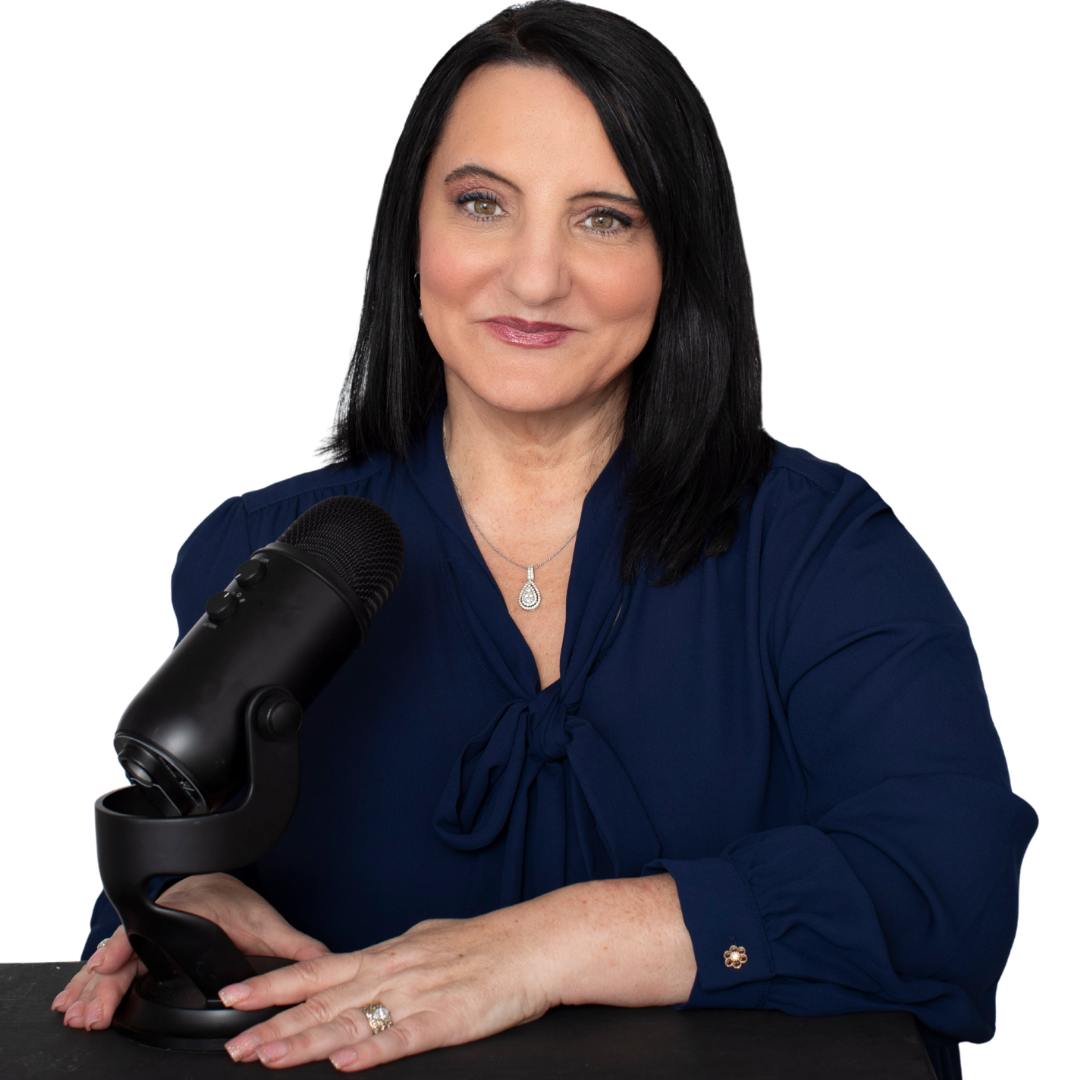
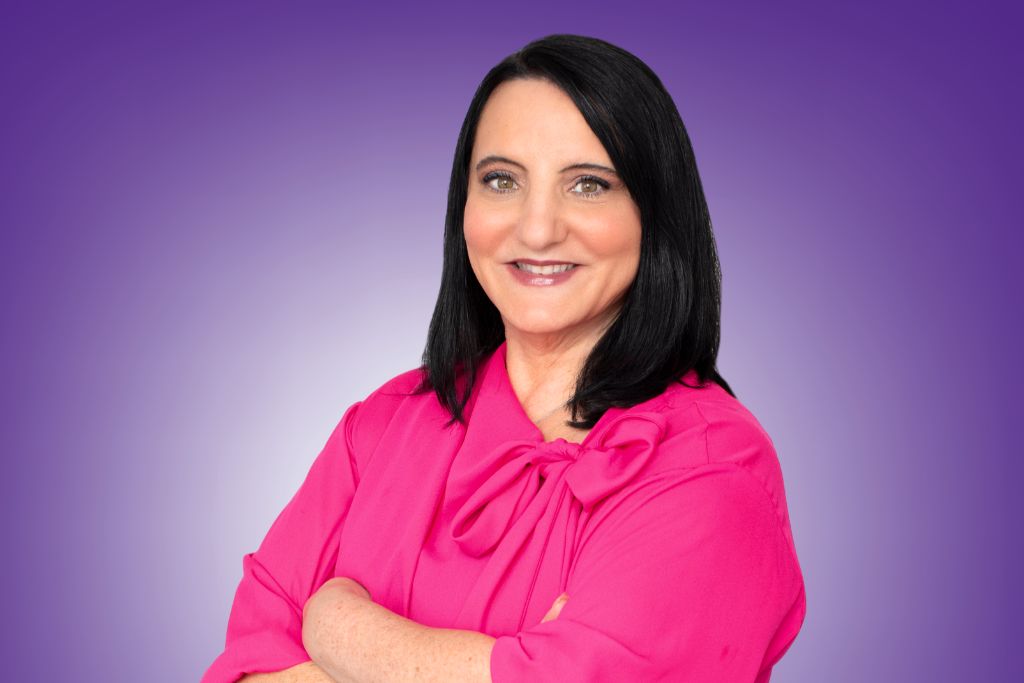
It affects a child’s confidence, learning, and relationships. In this episode, Dr. Maria Sciaudone shares how neurofeedback changed her life and brought real calm to her once anxious brain. This isn’t about willpower—it’s about helping the brain feel safe enough to regulate. You will hear what anxiety looks like in real families, why kids spiral so quickly, and how brain based tools help them feel more in control.
Families often mistake anxiety for personality traits because these patterns develop quietly. Dr. Maria explains how her Italian family coped with feelings by eating instead of expressing emotion. Kids absorb these habits and carry them into their own coping style.
Key Takeaways:
I see this all the time, what looks like a habit is often a nervous system pattern.
Parent example: A child grabs snacks and retreats after school. This looks like avoidance but it is actually a stressed brain looking for comfort.
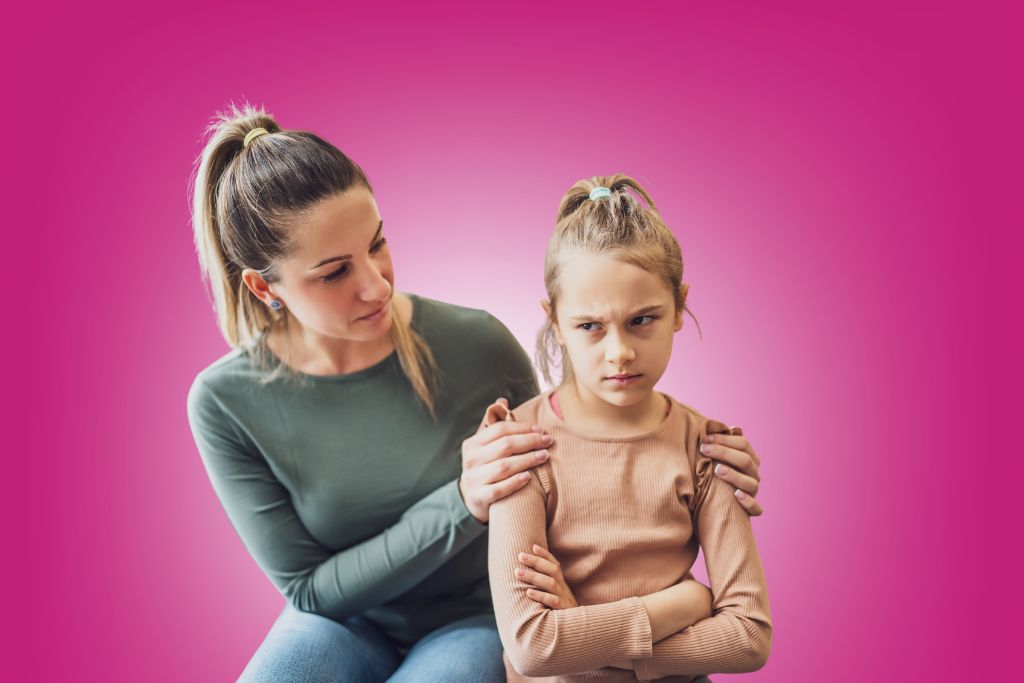
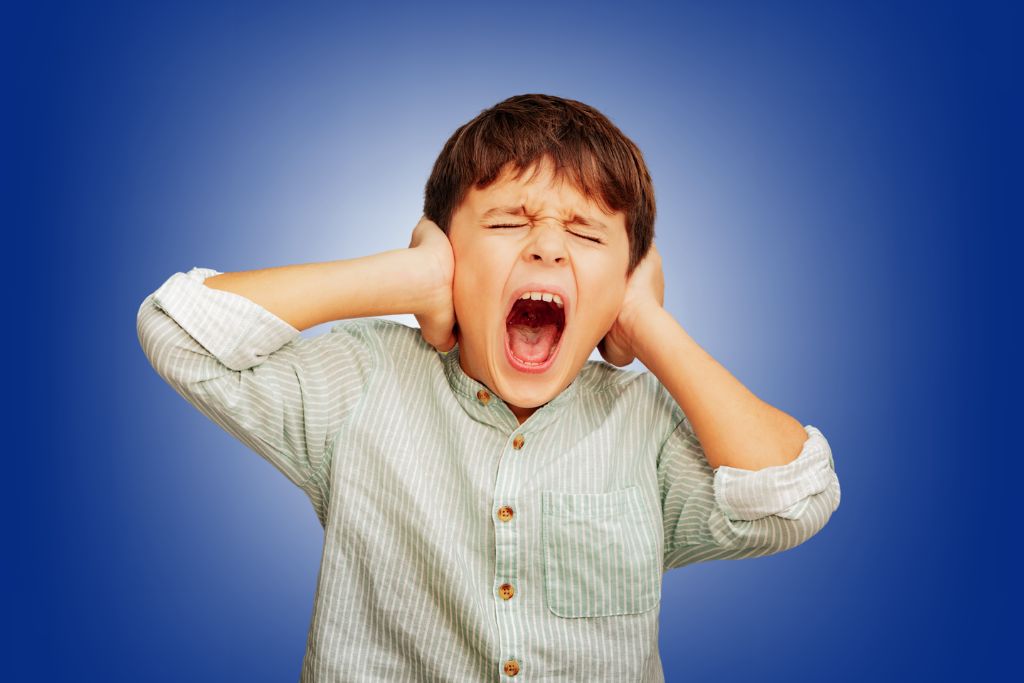
All kids feel anxious at times. The problem begins when the brain shifts into constant fight, flight, or freeze. Once that switch flips, rational thinking becomes nearly impossible, even for bright and capable children.
Signs of escalating anxiety:
When you see these patterns consistently, it’s a sign the nervous system needs support, not more pressure.
Dr. Maria describes Neurofeedback as the first tool that helped her brain quiet down. Instead of living in a constant state of alert, she finally felt grounded and steady. Because when you calm the brain first, everything else becomes possible.
Why Neurofeedback helps:
Real life scenario: A high schooler who usually panics about homework suddenly starts tasks without fear because their brain feels settled enough to begin.
Parents often want fast results because the stress feels never ending. Healing, however, comes through small, consistent changes. Neurofeedback works even better when paired with supportive habits and open communication.
Helpful reminders:
If you are tired of walking on eggshells or feeling like nothing works, get the FREE Regulation Rescue Kit and finally learn what to say and do in the heat of the moment.
Become a Dysregulation Insider VIP at www.drroseann.com/newsletter and take the first step to a calmer home.
What Dr. Roseann Says🗣️
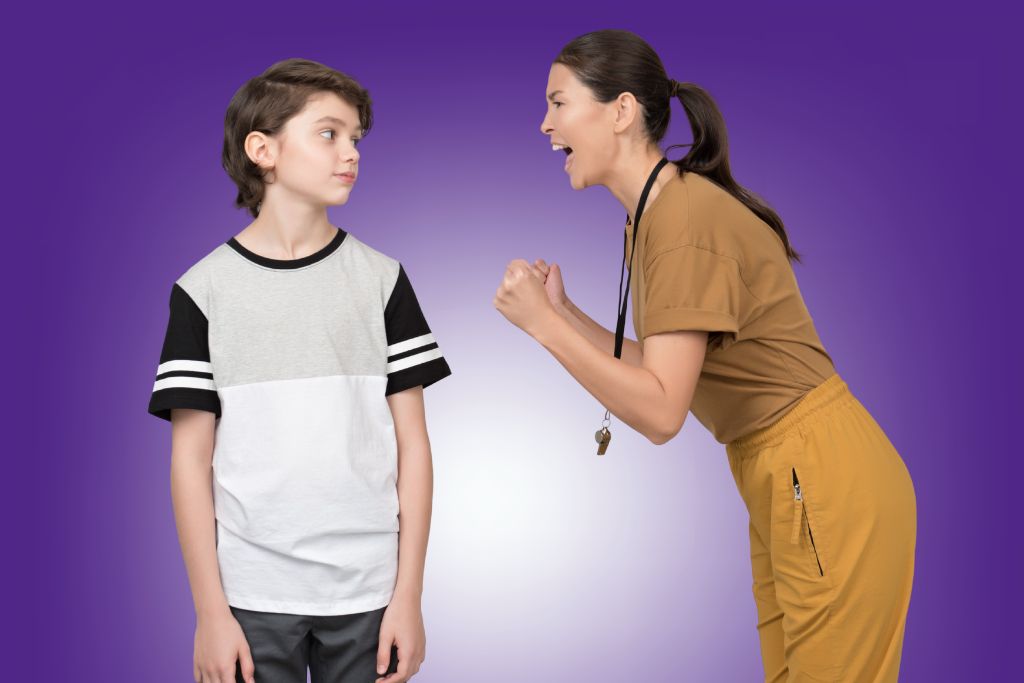
“When your child is overwhelmed, it is not bad behavior. It is a dysregulated brain asking for help.” — Dr. Roseann
Anxiety can shape every part of a child’s day, but with the right support the brain can learn to regulate. Neurofeedback changed Dr. Maria’s life by helping her access calm, focus, and emotional flexibility. Remember that behavior is communication and that small, steady supports create real transformation.Explore more brain based tools to help your child feel regulated and confident.
Many families see small shifts within several weeks, although every brain progresses at its own pace.
Yes. It is a gentle and non invasive method backed by decades of research.
Avoiding emotions increases internal stress and often leads to bigger outbursts later.
Not always. Many natural and brain based methods support anxiety first.
Next Step:
Every child’s journey is different. That is why cookie cutter solutions rarely work.
Take the free Solution Matcher Quiz and get a customized path to support your child’s emotional and behavioral needs.
Start today at www.drroseann.com/help
Dr. Roseann Capanna-Hodge is a licensed therapist, certified school psychologist, and leading expert in emotional dysregulation in children. With over 30 years of experience, she helps parents understand the root causes of meltdowns, anxiety, ADHD, and challenging behavior through the lens of nervous system regulation. Dr. Roseann teaches practical, science-backed strategies for co-regulation and how to calm a dysregulated child using her Regulation First Parenting™ approach. She is the host of the Dysregulated Kids Podcast and author of The Dysregulated Kid.
Dr. Roseann Capanna-Hodge
Emotional Dysregulation in Children & Nervous System Expert
Regulation First Parenting™ | CALMS Protocol™
Host of the Dysregulated Kids Podcast (Top 1% Globally)
Author of The Dysregulated Kid