Find Your Solution
In 3 minutes, you’ll know where to start ➤
%20.png)





Estimated Reading Time: 6 minutes
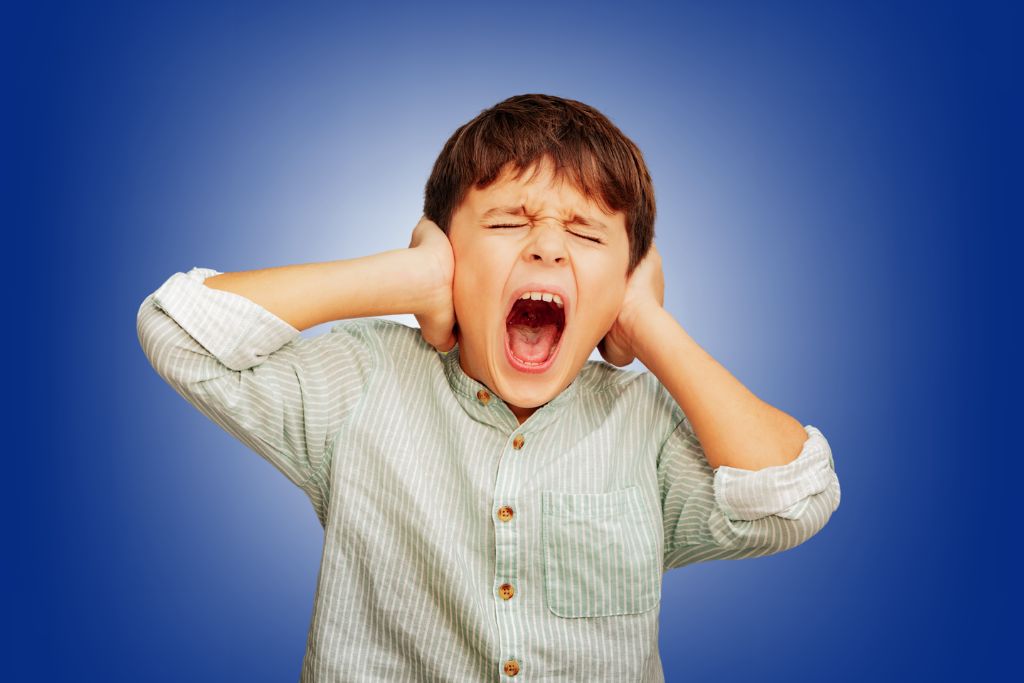
If your child hasn’t been the same since a bump, fall, or sports injury, you’re not imagining it. Concussion recovery in kids can be far more complicated than most families are told. Long after the injury, children may still struggle with focus, mood swings, sleep problems, anxiety, headaches and emotional dysregulation.
In this episode, Dr. Roseann explains how concussions affect the nervous system, why some kids stay stuck in a stress response after a head injury, and how neurofeedback and PEMF therapy support brain healing naturally.
When we calm the brain first, recovery becomes possible.
Many parents are told concussion symptoms should disappear within a few weeks. But for some children, symptoms linger for months or even years because the brain remains stuck in a hyper-alert state.
When the nervous system cannot fully relax, healing slows down dramatically.
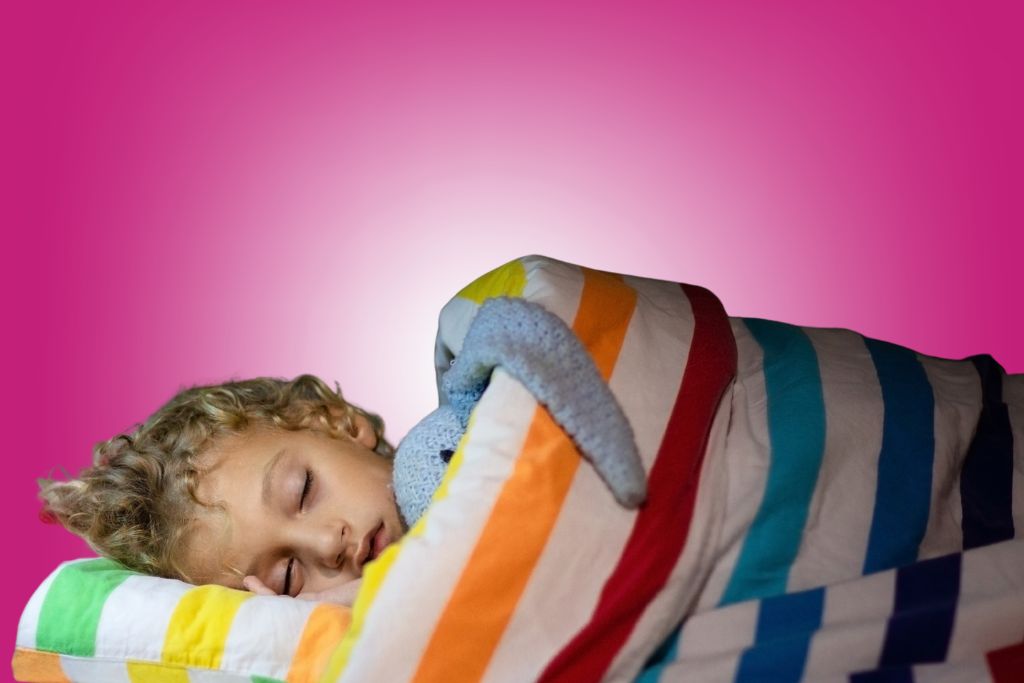
The brain heals during deep sleep. But if the nervous system stays activated, the brain struggles to repair itself overnight.
One mother shared that her teenage son slept nine hours every night yet still woke up exhausted and overwhelmed. Teachers assumed he was lazy or unmotivated, but his brain was still dysregulated from repeated sports-related concussions.
Behavior is communication. And concussion symptoms often show up emotionally long before parents realize the brain is still struggling.
Neurofeedback helps retrain the brain after injury by improving communication between brain regions and calming dysregulated brainwave activity.
After a concussion, brainwave patterns can become overactive or underactive, making kids feel foggy, reactive, anxious, or emotionally fragile.
Neurofeedback gives the brain real-time feedback so it can shift into healthier patterns naturally.
Kids do not need to “push through” recovery. They need support regulating their nervous systems first.
When Colin started neurofeedback, his family noticed improvements within weeks. His fatigue lifted, headaches became less frequent, and his mood stabilized because his brain was finally able to shift out of survival mode.
Yes. Even mild concussions can affect the parts of the brain responsible for mood regulation, executive functioning, and stress management.
This is why some children suddenly develop symptoms that look like:
Sometimes kids are treated for mental health conditions when the real issue is unresolved nervous system dysregulation from a concussion.
A QEEG brain map helps identify dysregulated brainwave patterns connected to concussion symptoms.
QEEG can help:
It’s not bad parenting. It’s a dysregulated brain.
Once you understand the nervous system piece, everything changes.
PEMF therapy, or Pulsed Electromagnetic Field therapy, helps calm inflammation and regulate the nervous system at a cellular level.
After a concussion, inflammation and nervous system overload often remain stuck “on,” making it difficult for the brain to recover.
PEMF helps shift the body into a parasympathetic healing state.
Many families notice that PEMF helps children settle emotionally faster, especially during periods of overwhelm or exhaustion.
One parent shared that after PEMF sessions, her daughter’s nervous system finally seemed able to “power down” at night. Bedtime became easier, emotional reactivity decreased, and recovery started moving forward again.
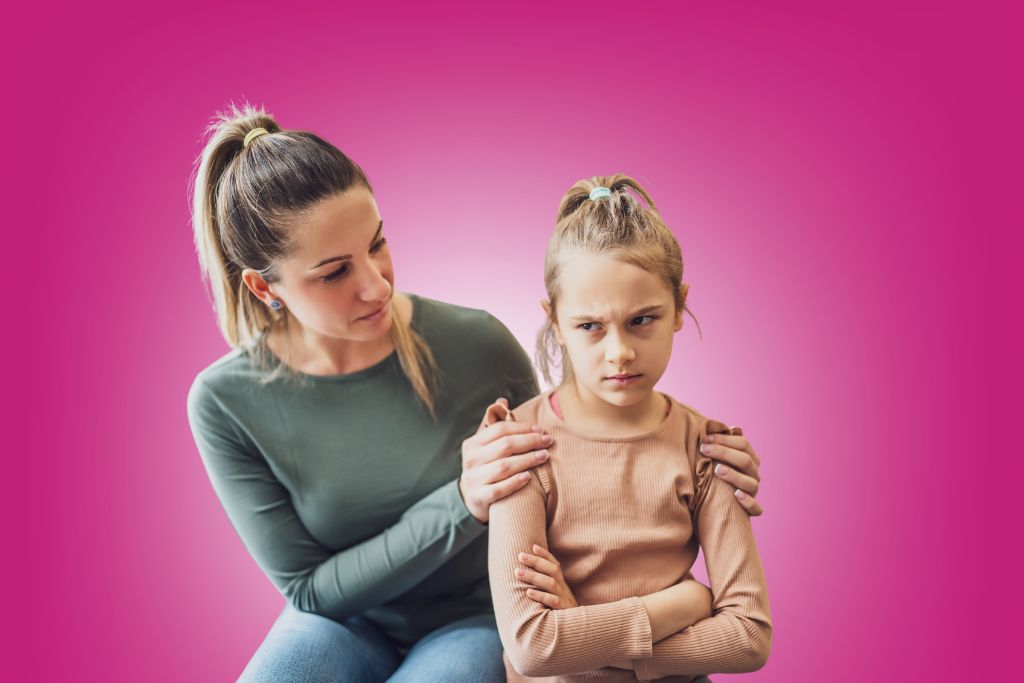
Kids recovering from concussions often feel scared, frustrated, or ashamed that they “aren’t back to normal yet.” They need calm, regulated adults who help them feel safe while healing.
Your calm is the catalyst.
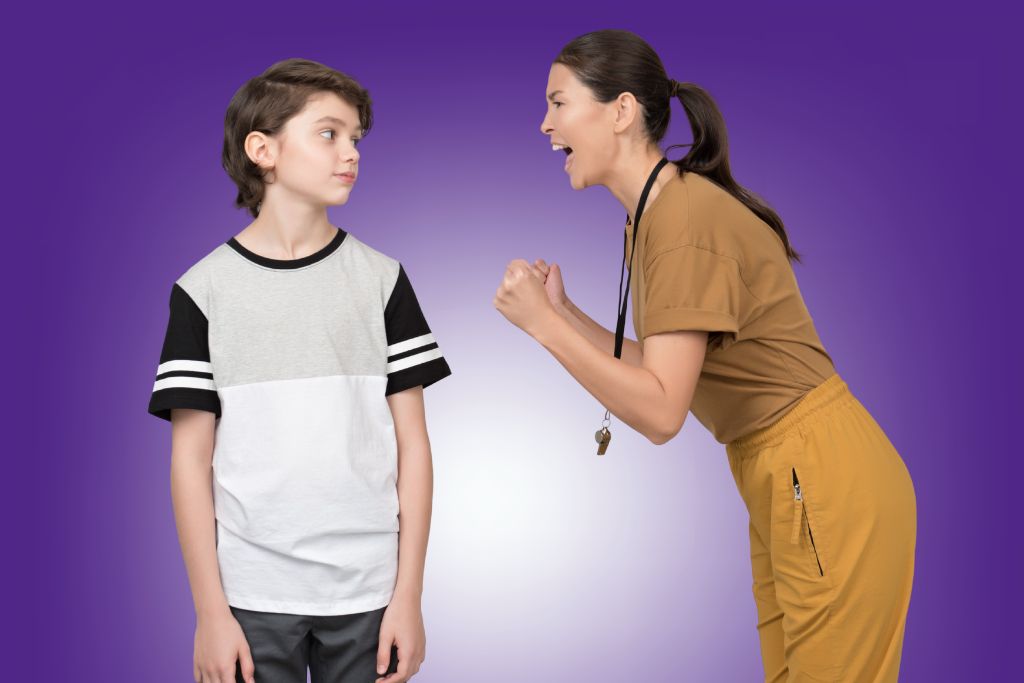
When your child melts down because they are exhausted or overwhelmed, remind yourself: this is a stress response, not manipulation.
Co-regulation always comes before self-regulation.
🗣️ “The brain heals at night when you go to sleep. When a child’s brain can’t shut down, it can’t recover.” — Dr. Roseann
Concussions can quietly affect mood, focus, sleep, and emotional regulation long after the original injury. But healing is possible when we support the nervous system instead of simply waiting for symptoms to disappear.
Neurofeedback, QEEG brain mapping, and PEMF therapy offer science-backed ways to help kids regulate, heal, and feel like themselves again.
Calm the brain first. Everything else follows.
Every child is different, but lingering symptoms often point to brain dysregulation. Neurofeedback can help speed up recovery.
Yes. It retrains the brain to shift into calming patterns needed for nighttime repair.
QEEG shows how the brain functions, helping identify patterns linked to mood, sleep, and focus issues.
Absolutely. Many kids show attention and executive functioning issues after a head injury.
PEMF is a gentle, noninvasive tool often used to support brain healing and reduce inflammation.
Next Step:Feel like you’ve tried everything and still don’t have answers? The Solution Matcher helps you find the best starting point based on your child’s symptoms, behaviors, and history.
Get your personalized plan now at www.drroseann.com/help
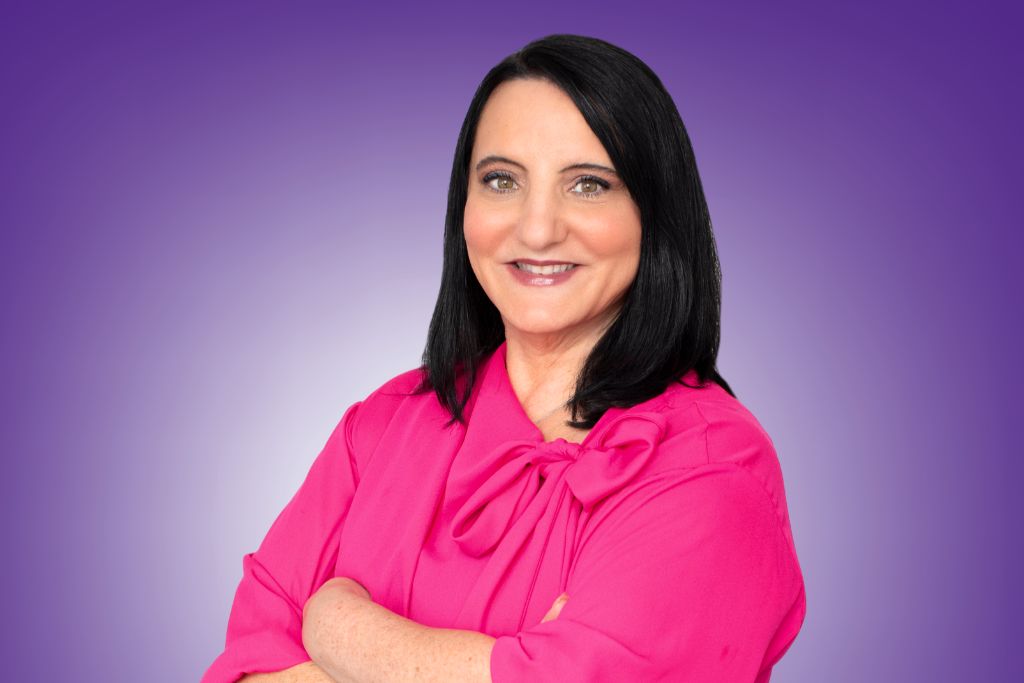
Dr. Roseann Capanna-Hodge is a licensed therapist, certified school psychologist, and leading expert in emotional dysregulation in children. With over 30 years of experience, she helps parents understand the root causes of meltdowns, anxiety, ADHD, and challenging behavior through the lens of nervous system regulation. Dr. Roseann teaches practical, science-backed strategies for co-regulation and how to calm a dysregulated child using her Regulation First Parenting™ approach. She is the host of the Dysregulated Kids Podcast and author of The Dysregulated Kid.
Dr. Roseann Capanna-Hodge
Emotional Dysregulation in Children & Nervous System Expert
Regulation First Parenting™ | CALMS Protocol™
Host of the Dysregulated Kids Podcast (Top 1% Globally)
Author of The Dysregulated Kid