%20.png)





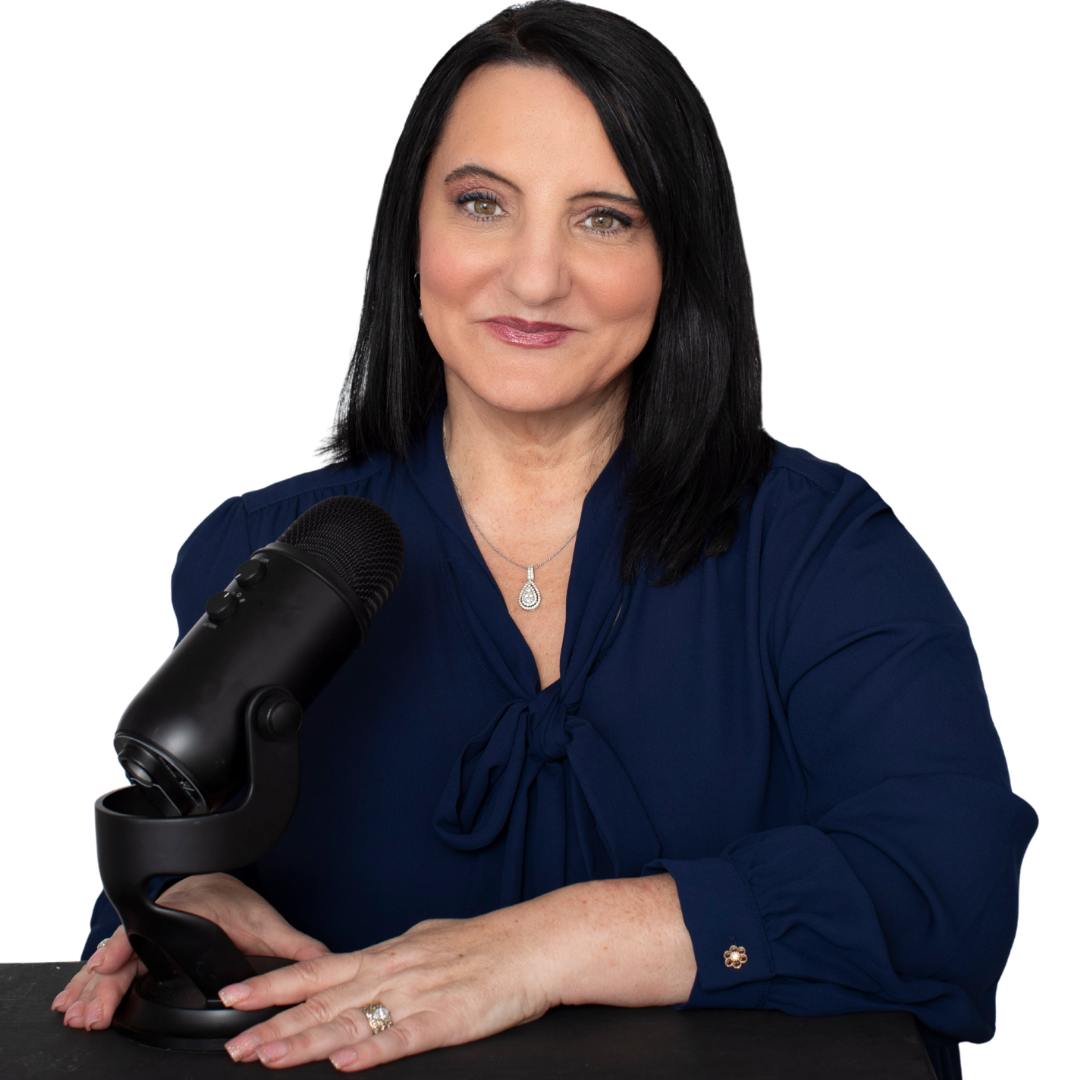
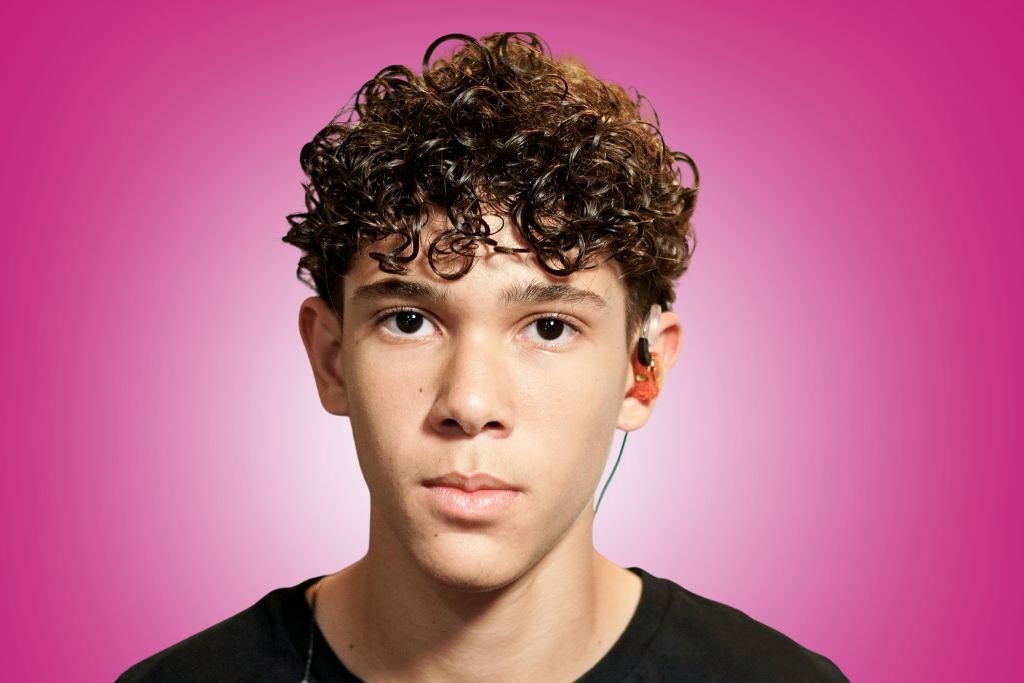
Meltdowns and mood swings aren’t random—they’re signals from a stressed nervous system. This episode reveals 5 hidden ways your child’s meltdowns and mood swings connect to mental health struggles, often long before a diagnosis. Dr. Roseann Capanna-Hodge, creator of Regulation First Parenting™, brings decades of expertise in childhood emotional dysregulation to guide parents with clarity and hope.Parenting a child with intense reactions can feel exhausting and isolating. You’re not alone. Many parents see frequent meltdowns, sudden mood swings, or resistance to change and worry, “Am I missing something?” These behaviors aren’t just “bad days”—they’re signals your child’s brain is struggling to regulate.In this episode, I share five predictive nervous system signals I’ve identified over decades of working with thousands of children. You’ll learn how to recognize early warning signs of mental health challenges, support regulation, and change your child’s trajectory—long before labels or diagnoses appear.Why does my child have frequent meltdowns after small frustrations?Low frustration tolerance is one of the clearest early indicators of mental health concerns and challenges in a child’s mental health. Children who overreact to minor setbacks often struggle to pause, reflect, and problem solve under stress.Key takeaways:
Parent example: A 7-year-old melts down every time homework is hard. After co-regulation exercises and consistent scaffolding, these outbursts gradually lessen.How do restrictive eating habits signal mental health struggles?Children who resist textures, smells, or new foods may have a nervous system stuck in stress mode, experiencing the world as unsafe. This can affect a child's sleep patterns, emotional regulation, and even academic performance.Tips for parents:
️ “Behavior is communication. When we calm the nervous system, we change the trajectory of mental health.” — Dr. RoseannWhy is difficulty transitioning such a red flag?Struggling with transitions—from play to homework or screen time to bedtime—is linked to weaker executive functioning and cognitive flexibility. This affects school performance, social relationships, and the ability to manage stress.Parent strategies:
When your child is dysregulated, it’s easy to feel helpless.The Regulation Rescue Kit gives you the scripts and strategies you need to stay grounded and in control.Become a Dysregulation Insider VIP at www.drroseann.com/newsletter and get your free kit today.What does poor recovery from upset reveal about my child’s emotional health?Children who remain upset long after a trigger show that their parasympathetic nervous system isn’t engaging. Slow recovery predicts persistent sadness, excessive worry, and anxiety later.Actionable steps:
How do problem-solving difficulties under stress connect to mental health?Children who shut down or act oppositional when challenged often experience learned helplessness, low self-esteem, and difficulty with academic performance. Executive functioning skills only work when the brain is regulated and feels safe.Tips for support:
Takeaway & What’s NextEarly dysregulation isn’t misbehavior—it’s a signal your child needs support. By recognizing subtle signs, supporting regulation, and fostering executive functioning, parents can prevent long-term mental health issues and improve emotional resilience.Join the Regulated Child Summit to learn practical, science-backed tools from top experts to calm the brain, reduce meltdowns, and support your child’s emotional well-being. Learn more and register here: https://drroseann.com/regulatedchildsummit/FAQsWhat are early warning signs my child might have mental health struggles?Look for frequent tantrums, difficulty transitioning, low frustration tolerance, restrictive eating, and slow recovery from upset.Can screen time worsen my child’s emotional health?Yes. Excessive screen use can over-stimulate the nervous system, affecting sleep patterns, social well-being, and overall emotional regulation.How can I support my child’s emotional resilience?Focus on regulating the nervous system first, provide consistent scaffolding, and teach coping strategies during calm moments.When should I seek professional support?If your child shows persistent sadness, social withdrawal, or anxiety for more than two weeks, or if behavior impacts daily functioning, consult a mental health professional.Not sure where to start?Take the guesswork out of helping your child. Use our free Solution Matcher to get a personalized plan based on your child’s unique needs—whether it’s ADHD, anxiety, mood issues, or emotional dysregulation.In just a few minutes, you'll know exactly what support is right for your family.Start here: www.drroseann.com/help