Find Your Solution
In 3 minutes, you’ll know where to start ➤
%20.png)





If your bright child avoids tasks or seems unmotivated, it’s not laziness. Why smart kids struggle often comes down to a dysregulated nervous system and executive functioning challenges. Dr. Roseann Capanna-Hodge, expert in Regulation First Parenting™, shows how understanding regulation transforms behavior.
Parenting a gifted child can feel like walking a tightrope. You know your child is capable of great things, yet the constant battles over homework, chores, or tasks leave you questioning yourself. Why are smart kids struggling so much, even when they have all the abilities to succeed?
Understanding why smart kids struggle can transform your parenting approach and help your child thrive without shame, pressure, or frustration. By the end, you’ll have actionable steps to support regulation, executive functioning, and motivation—so the “lazy” label finally makes sense.
Many parents of gifted children notice that their kids stall before beginning tasks. It’s tempting to think they’re unmotivated, but the truth is rooted in brain regulation.
️ “Laziness isn’t a personality trait—it’s a dysregulated brain avoiding overwhelm.” — Dr. Roseann
Parent Example: Leo, a straight-A thinker, could explain concepts perfectly but avoided writing assignments. Once his nervous system was regulated and tasks were broken down using backward planning, he became more cognitively available—and finally started completing work without pressure.
Perfectionism is a common hidden struggle for gifted kids. When every mistake feels catastrophic, children freeze instead of acting.
If you’re tired of walking on eggshells or feeling like nothing works…
Get the FREE Regulation Rescue Kit and finally learn what to say and do in the heat of the moment.
Become a Dysregulation Insider VIP at www.drroseann.com/newsletter and take the first step to a calmer home.
Helping smart kids succeed is less about pushing harder and more about supporting regulation and executive functioning skills.
Parent Scenario: A child who avoids multi-step math can start by completing just the first step on a visual mind map. Gradually, confidence builds and motivation grows.
Bright kids often experience cognitive fatigue, emotional intensity, and shame, even in “easy” environments:
By creating a supportive environment, encouraging open dialogue, and breaking tasks into manageable steps, parents can help their child navigate these hidden struggles.
Your child isn’t lazy—they’re navigating a complex intersection of gifted abilities, nervous system regulation, and executive functioning skills. By focusing on regulation first, modeling imperfection, and scaffolding tasks, you can help them thrive academically and emotionally.
A dysregulated nervous system and underdeveloped executive functioning often block bright kids from starting tasks.
Yes—by reinforcing effort, modeling mistakes, and breaking tasks into manageable steps.
Cognitive fatigue, emotional intensity, and fear of failure often mask their true abilities.
Validate feelings, ask reflective questions, and create safe spaces for expressing frustration or shame.
When your child is struggling, time matters.
Don’t wait and wonder—use the Solution Matcher to get clear next steps, based on what’s actually going on with your child’s brain and behavior.
Take the quiz at www.drroseann.com/help
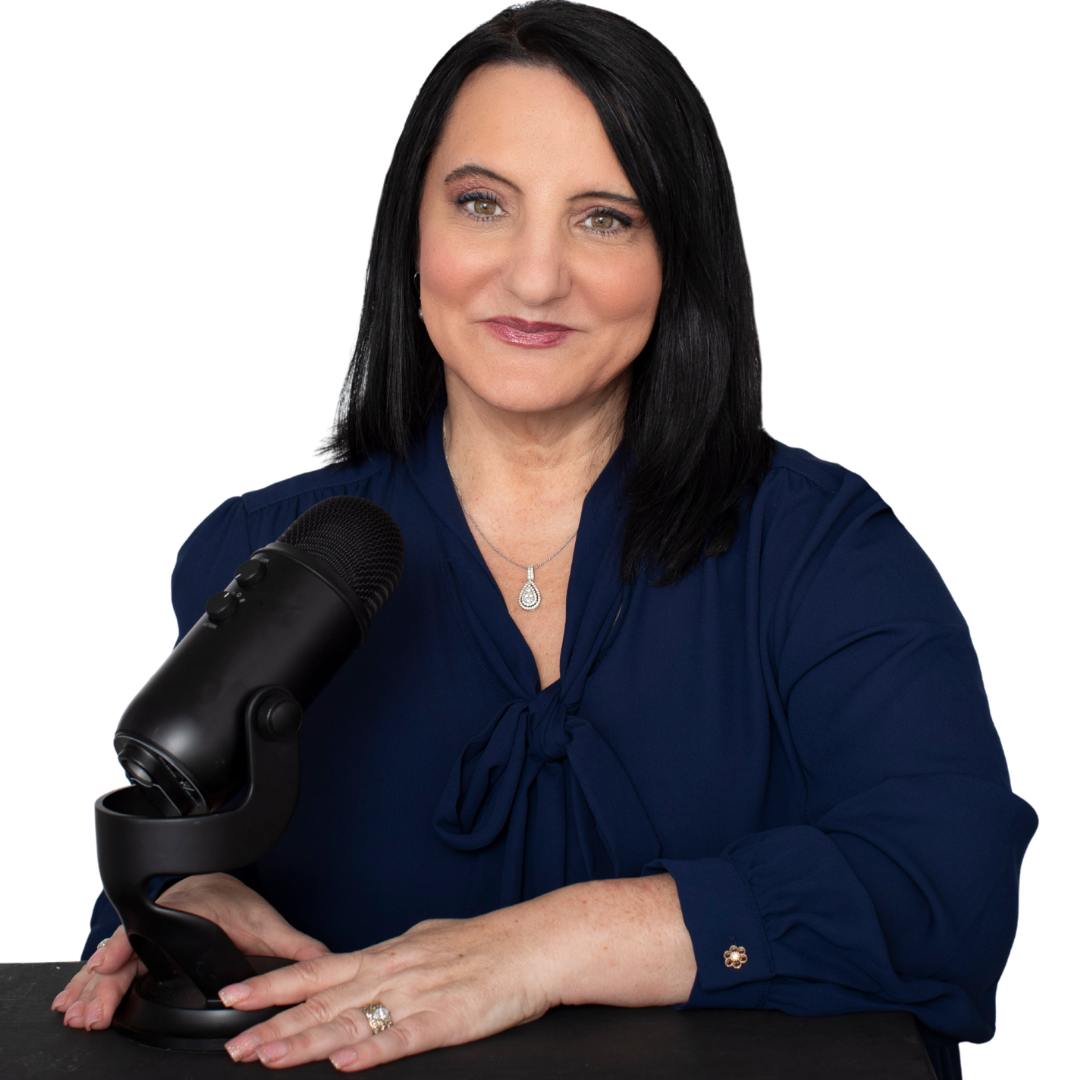
Dr. Roseann Capanna-Hodge is a licensed therapist, certified school psychologist, and leading expert in emotional dysregulation in children. With over 30 years of experience, she helps parents understand the root causes of meltdowns, anxiety, ADHD, and challenging behavior through the lens of nervous system regulation. Dr. Roseann teaches practical, science-backed strategies for co-regulation and how to calm a dysregulated child using her Regulation First Parenting™ approach. She is the host of the Dysregulated Kids Podcast and author of The Dysregulated Kid.
Dr. Roseann Capanna-Hodge
Emotional Dysregulation in Children & Nervous System Expert
Regulation First Parenting™ | CALMS Protocol™
Host of the Dysregulated Kids Podcast (Top 1% Globally)
Author of The Dysregulated Kid