Find Your Solution
In 3 minutes, you’ll know where to start ➤
%20.png)





Estimated reading time: 6 min
If your child struggles with focus, impulsivity, anxiety, or emotional outbursts, you’re not failing, and it’s not intentional. Many families miss the underlying drivers, from nervous system dysregulation to environmental factors like mold exposure or hypermobility.
In this episode, Dr. Aaron Hartman and I discuss ADHD and neurodivergence, explaining how these factors intersect, why children can appear “stuck,” and what parents can do to support regulation, attention, and emotional control.
Many parents are surprised to learn that joint hypermobility can affect the brain. Lax connective tissue demands extra nervous system activation, which increases stress, fatigue, and emotional reactivity.
Key points:
Parent example: A bright, athletic child would constantly melt down at transitions. Addressing hypermobility with targeted movement and physical supports helped regulate their nervous system and reduce meltdowns.
Environmental triggers like mold can exacerbate ADHD and neurodivergent behaviors by driving chronic inflammation and nervous system dysregulation in children.
Common effects:
Parent story: A child with hypermobility experienced sudden anxiety spikes after exposure to a water-damaged home. Once the environment was addressed and nervous system regulation supported, attention and emotional control improved.
Want to stay calm when your child pushes every button?Become a Dysregulation Insider VIP and get the FREE Regulation Rescue Kit, your step-by-step guide to stop oppositional behaviors without yelling or giving in.
Go to www.drroseann.com/newsletter and grab your kit today.
Even evidence-based strategies can fail if the brain is dysregulated. ADHD meltdowns and inattention often persist because the nervous system is stuck in fight-flight-freeze.
Key approach:
Without this sequence, children may continue struggling despite therapy or medication.
You don’t need to do everything at once. Start with foundational supports:
Parent tip: Small, consistent changes create meaningful progress, even in highly dysregulated children.
Our Regulation First Parenting™ approach emphasizes that your calm is the first step. Children regulate off the caregiver’s nervous system before they can develop independent control.
Try:
This approach lays the foundation for long-term growth, self-control, and emotional dysregulation in children.
Nutrients like magnesium can directly support the dysregulated nervous system in children with ADHD or neurodivergence. Magnesium helps:
Parent example: One family noticed that after incorporating magnesium, their child’s impulsive outbursts decreased, and transitions became smoother.
When you understand ADHD and neurodivergence, you stop blaming your child or yourself. Healing requires supporting the nervous system, addressing environmental triggers, and using a thoughtful, multi-layered approach.
Ifyou'rereadytotakecontrolofyourhealthjourneyandreceiveexpertguidance,reachouttoDr.Hartmanathttps://richmondfunctionalmedicine.com/contact/
Start small: calm the brain, regulate routines, support nutrition, and model coping skills. Over time, attention, emotional regulation, and learning improve.
.png)
Look for emotional outbursts, shutdowns, sensory overwhelm, or inconsistent attention. These patterns often reflect dysregulated nervous system function rather than defiance.
Often it’s missed unless you see a specialist. Look for loose joints, frequent fatigue, or coordination issues.
Reduced environmental stress, predictable routines, and sensory-friendly settings allow the nervous system to relax, improving attention and emotional control.
Tired of not knowing what’s really going on with your child?
The Solution Matcher gives you a personalized recommendation based on your child’s behavior, not just a label. It’s free, takes just a few minutes, and shows you the best next step.
Go to www.drroseann.com/help
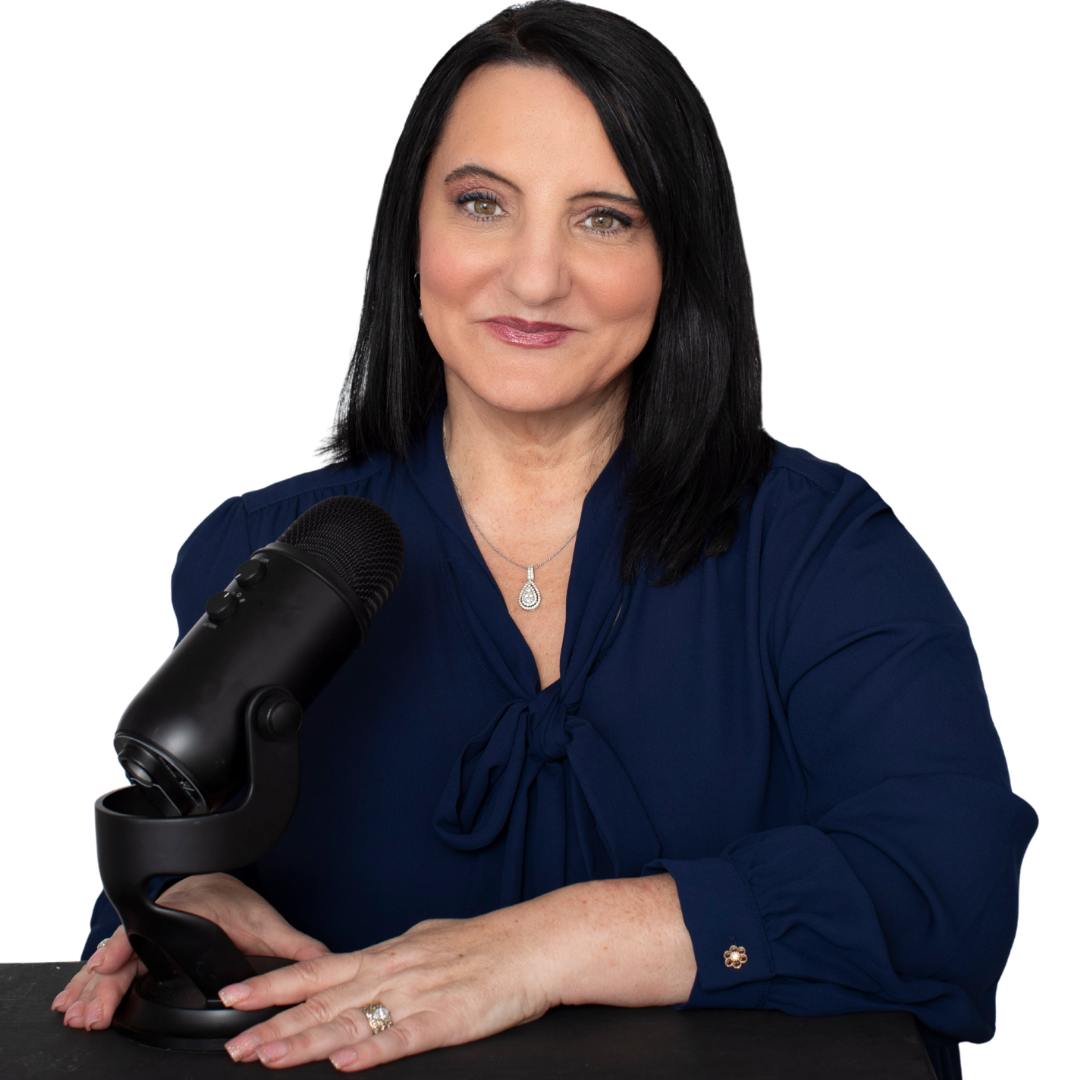
Dr. Roseann Capanna-Hodge is a licensed therapist, certified school psychologist, and leading expert in emotional dysregulation in children. With over 30 years of experience, she helps parents understand the root causes of meltdowns, anxiety, ADHD, and challenging behavior through the lens of nervous system regulation. Dr. Roseann teaches practical, science-backed strategies for co-regulation and how to calm a dysregulated child using her Regulation First Parenting™ approach. She is the host of the Dysregulated Kids Podcast and author of The Dysregulated Kid.
Dr. Roseann Capanna-Hodge
Emotional Dysregulation in Children & Nervous System Expert
Regulation First Parenting™ | CALMS Protocol™
Host of the Dysregulated Kids Podcast (Top 1% Globally)
Author of The Dysregulated Kid