Find Your Solution
In 3 minutes, you’ll know where to start ➤
%20.png)





Estimated reading time: 6 minutes
When your child is caught in fear-driven thoughts or rituals, it’s easy to feel helpless. You’re not alone. Parenting a child with OCD is overwhelming, and many loving parents unknowingly reinforce the very behaviors they want to stop.In this episode, I break down how OCD works in the brain, how certain responses feed compulsions, and what to do instead. You’ll learn practical, brain-based tools that help your child build confidence, autonomy, and emotional regulation.
Reassurance feels loving, but for a child with OCD, it feeds the fear loop. Each time you answer the same question, check something again, or try to “make the worry go away,” the brain learns: “That felt better… I need to do it again.”OCD runs on negative reinforcement, meaning the relief from a compulsion strengthens the obsession.
Key Takeaways:
Parent Story: A mom shared that every night her child asked, “Are you sure the house is locked?” Saying “yes” helped in the moment, but soon he needed to check the stove, windows, and outlets too. His brain learned to chase reassurance rather than tolerate uncertainty.

The first step is understanding what reinforcement looks like. Anything that reduces distress—reassuring, checking, avoiding, doing something “just right”—feeds the OCD cycle. Parents can shift this by gently pushing back and allowing their child’s brain to learn: “The bad thing didn’t happen. I can handle this.”
Try this instead:
Yelling less and staying calm isn’t about being perfect—it’s about having the right tools.
Join the Dysregulation Insider VIP list and get your FREE Regulation Rescue Kit, designed to help you handle oppositional behaviors without losing it.
Download it now at www.drroseann.com/newsletter
Exposure and Response Prevention (ERP) is the gold standard for OCD. It teaches kids to face fears without doing the compulsion—and teaches parents to stop reinforcing them.ERP helps a child’s nervous system learn:
This is liberation for parents too. When you stop playing tug-of-war with OCD, you free your child and yourself.
Real-Life Scenario: One family learned to stop accommodating their daughter’s “just right” rituals around bedtime. Within weeks of consistent ERP strategies, she slept faster, and her parents felt empowered rather than afraid of triggering meltdowns.
There is no magic wand. SSRIs can reduce discomfort, but they don’t remove obsessions or compulsions. Healing requires a brain-based, multi-layered approach. What truly helps:
Because behavior is communication—and when we calm the brain first, everything follows.🗣️ “The more we push back, the more your child’s brain learns: ‘The bad thing didn’t happen.’ That’s how we stop feeding the barking dog.” — Dr. Roseann
Parenting a child with OCD is hard, but you don’t have to walk this path alone. With brain-based tools and consistent responses, your child can unlearn fears, build resilience, and find calm again.
If you’re doing things to reduce their fear—reassuring, checking, avoiding—you’re likely accommodating.
Symptoms may fluctuate, but lasting change usually requires ERP and brain-based parent strategies.
No. OCD is a brain-based disorder, not a choice or misbehavior.
Because OCD demands certainty. Removing reassurance triggers temporary distress but leads to long-term healing.
Every child’s journey is different. That’s why cookie-cutter solutions don’t work.
Take the free Solution Matcher Quiz and get a customized path to support your child’s emotional and behavioral needs—no guessing, no fluff.
Start today at www.drroseann.com/help
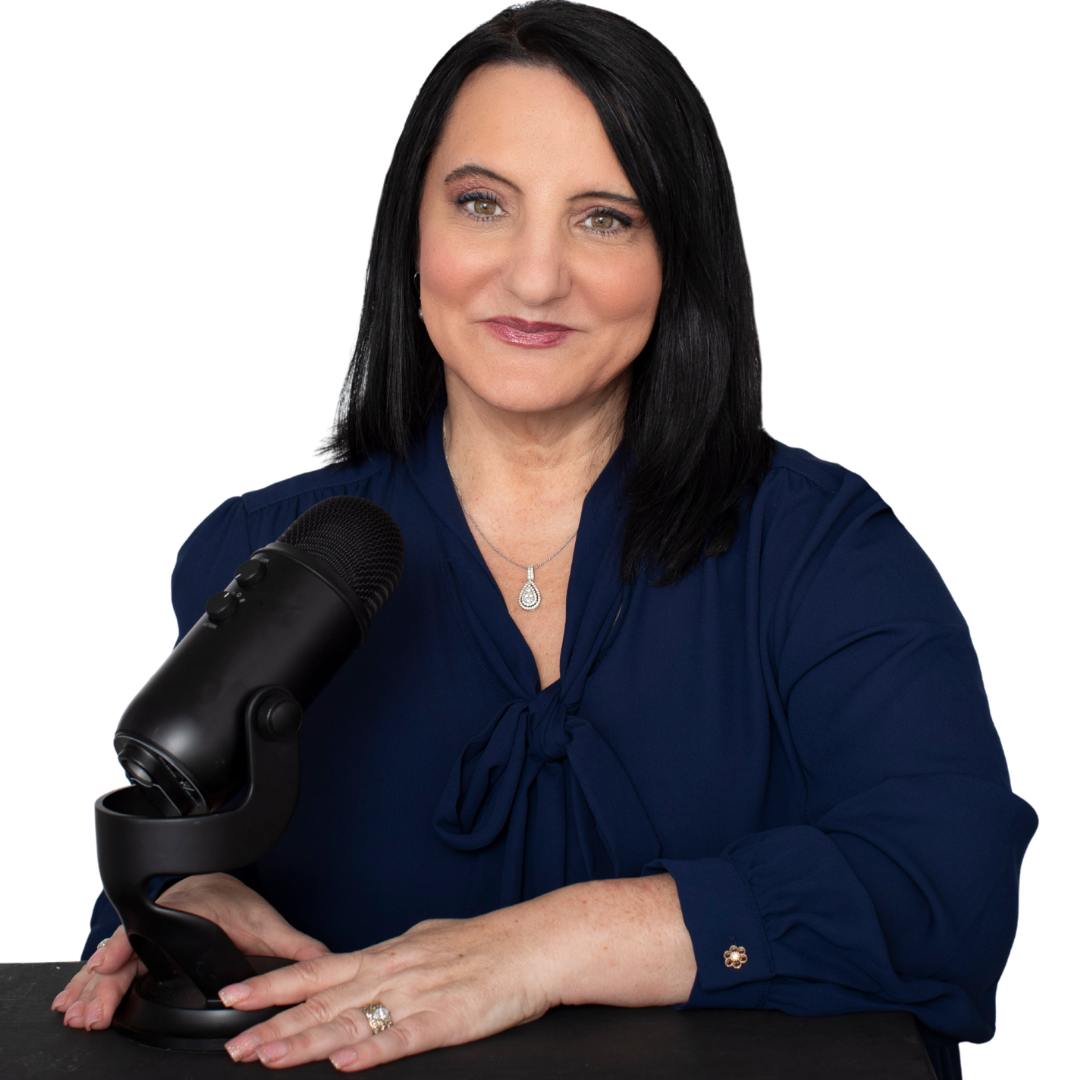
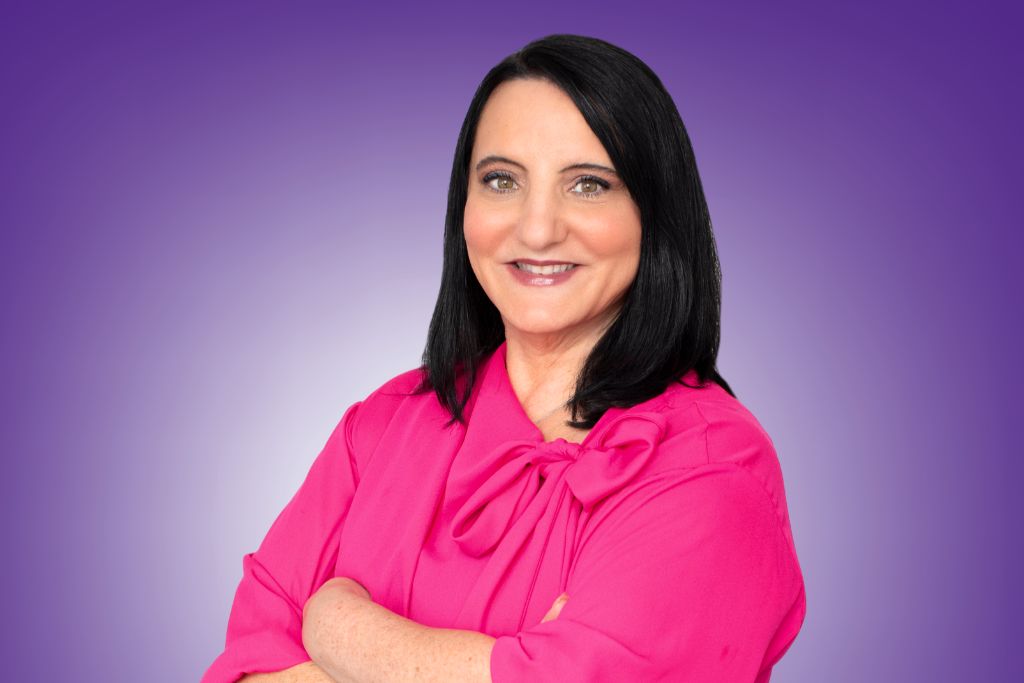
Dr. Roseann Capanna-Hodge is a licensed therapist, certified school psychologist, and leading expert in emotional dysregulation in children. With over 30 years of experience, she helps parents understand the root causes of meltdowns, anxiety, ADHD, and challenging behavior through the lens of nervous system regulation. Dr. Roseann teaches practical, science-backed strategies for co-regulation and how to calm a dysregulated child using her Regulation First Parenting™ approach. She is the host of the Dysregulated Kids Podcast and author of The Dysregulated Kid.
Dr. Roseann Capanna-Hodge
Emotional Dysregulation in Children & Nervous System Expert
Regulation First Parenting™ | CALMS Protocol™
Host of the Dysregulated Kids Podcast (Top 1% Globally)
Author of The Dysregulated Kid