Find Your Solution
In 3 minutes, you’ll know where to start ➤
%20.png)





Estimated Reading Time: 8 Minutes
One of the hardest parts of parenting is learning how to stay connected to your child when their behavior is difficult.
When children struggle with anxiety, ADHD, OCD, emotional dysregulation, learning challenges, or behavioral issues, parents often find themselves feeling frustrated, overwhelmed, and emotionally drained.
The truth is that you can love your child unconditionally while still addressing behaviors that need to change.
In fact, that's exactly what healthy parenting requires.
In this episode, we explore how parents can maintain connection, set boundaries, support emotional growth, and respond effectively when their child's behavior becomes challenging.
Because loving your child and accepting unhealthy behavior are not the same thing.
Many parents feel disconnected from their child during difficult periods.
The more intense the behavior becomes, the harder it can be to maintain patience and compassion.
Children who struggle with:
often require more support than other children.
This can leave parents feeling exhausted.
One of my favorite reminders is that lotuses grow in mud.
Growth often comes through difficult circumstances.
The challenges you're facing today do not define your child.
Nor do they define your relationship.
Real-Life Example
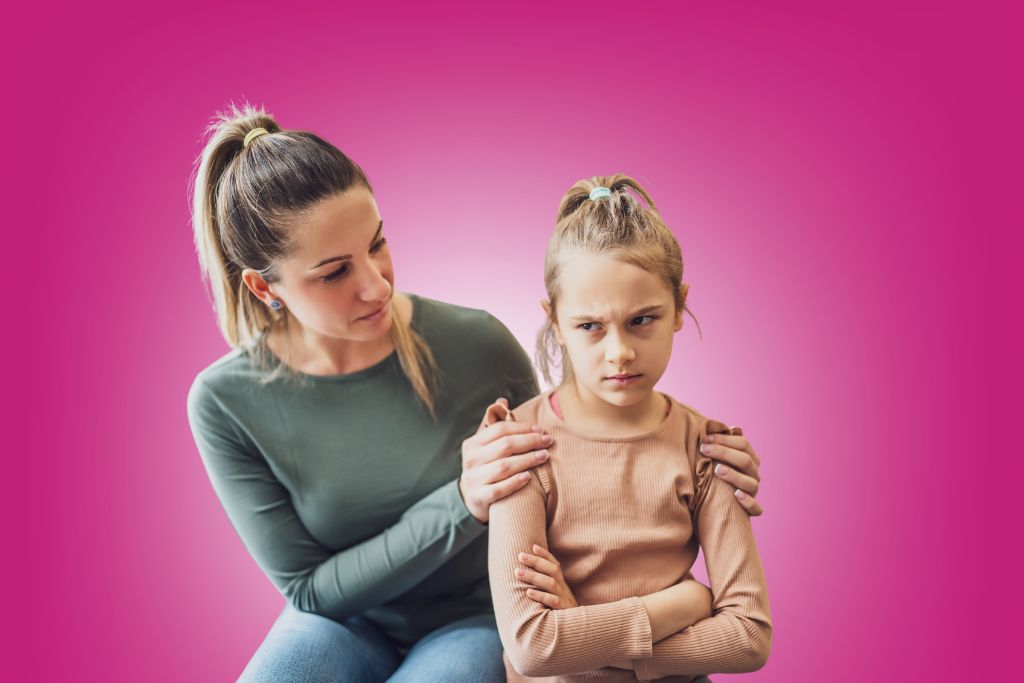
A child who is constantly arguing, shutting down, or having emotional outbursts may still desperately need connection, even if their behavior makes connection difficult in the moment.
Parenting is hard.
Parenting a child with mental health, behavioral, or learning challenges can feel even harder.
Many parents believe they should know exactly what to do.
The reality is that nobody is perfectly prepared for parenting.
There will be:
Parents need to give themselves permission to be human.
You don't have to be perfect.
You simply need to keep showing up.
The more compassion you extend to yourself, the more emotional energy you'll have available for your child.
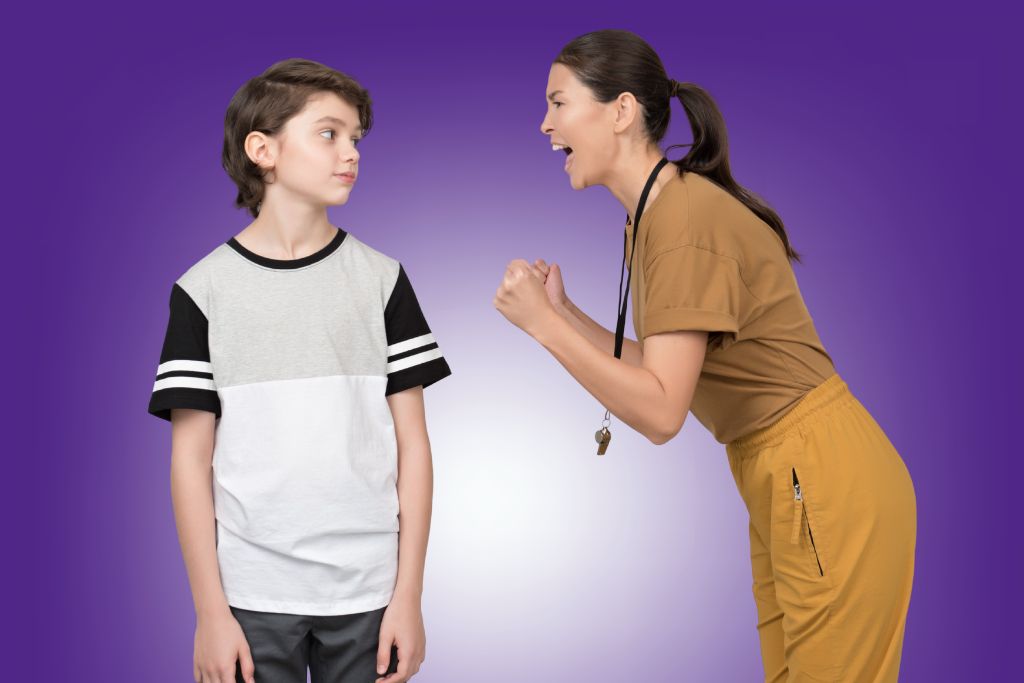
When children are dysregulated, their behavior can feel overwhelming.
Parents often describe feeling controlled by:
But it's important to separate the child from the behavior.
Your child is not a tyrant.
Your child is struggling.
The behavior may be problematic.
The child is not the problem.
As I often say, behavior is communication.
Children who are dysregulated often lack the skills to manage what is happening inside their brains and bodies.
Real-Life Example
A child who screams when they don't get their way may not be trying to manipulate anyone. They may genuinely lack the coping skills needed to manage disappointment.
One of the biggest parenting mistakes is trying to teach, correct, or reason with a child who is highly activated.
When children are dysregulated, they often shift into:
The brain is focused on protection rather than learning.
This means:
As I often say, calm the brain first, everything else follows.
Wait until everyone is regulated before having important conversations.
Real-Life Example
Instead of trying to discuss behavior during a meltdown, wait until your child is calm and emotionally available before revisiting the situation.
Many parents mistakenly believe boundaries damage connection.
In reality, healthy boundaries strengthen relationships.
Children need:
Boundaries communicate safety.
They help children understand:
Boundaries are not punishments.
They are guides.
The goal is not control.
The goal is helping children learn how to manage themselves more effectively.
One of the biggest challenges I see in struggling children is low stress tolerance.
Children with poor stress tolerance often:
Building stress tolerance is one of the most important parts of supporting long-term mental health.
Children need opportunities to:
This doesn't mean abandoning them.
It means coaching rather than rescuing.
Connection grows through communication.
Parents don't need to have perfect conversations.
In fact, one of the most powerful things you can say is:
This teaches children:
It also prevents conversations from becoming emotionally charged.
Children benefit when they see adults modeling healthy regulation.
The Regulation Rescue Kit provides practical Regulation First Parenting™ tools that help reduce stress, improve emotional regulation, and create more peace at home. Become a Dysregulation Insider VIP and get your FREE kit: www.drroseann.com/newsletter
🗣️ “Your child's behavior may be difficult, but your child is not difficult. Separate the child from the behavior and everything changes.” — Dr. Roseann
Loving your child doesn't mean accepting every behavior.
It means staying connected while helping them learn the skills they need to grow.
Give yourself grace.
Separate the child from the behavior.
Focus on regulation before correction.
Build stress tolerance.
Maintain connection.
And remember that even during the hardest moments, your relationship can continue to grow stronger.
Absolutely. Loving your child and addressing problematic behavior are not mutually exclusive.
Many children who are struggling emotionally push away support because they lack coping skills or feel overwhelmed by their emotions.
No. Children who are highly dysregulated are not in a state where they can learn effectively. Focus on regulation first.
Stress tolerance helps children manage frustration, disappointment, uncertainty, and challenges without becoming overwhelmed.
Focus on empathy, communication, co-regulation, healthy boundaries, and separating your child from their behavior.
Not sure where to start? Use the Solution Matcher to get personalized recommendations based on your child's emotional and behavioral needs. Start here: www.drroseann.com/help
Dr. Roseann Capanna-Hodge is a licensed therapist, certified school psychologist, and leading expert in emotional dysregulation in children. With over 30 years of experience, she helps parents understand the root causes of meltdowns, anxiety, ADHD, autism, learning differences, and challenging behavior through the lens of nervous system regulation. She is the creator of Regulation First Parenting™, host of the Dysregulated Kids Podcast, and author of The Dysregulated Kid.
Dr. Roseann Capanna-Hodge
Emotional Dysregulation in Children & Nervous System Expert
Regulation First Parenting™ | CALMS Protocol™
Host of the Dysregulated Kids Podcast (Top 1% Globally)
Author of The Dysregulated Kid