Find Your Solution
In 3 minutes, you’ll know where to start ➤
%20.png)





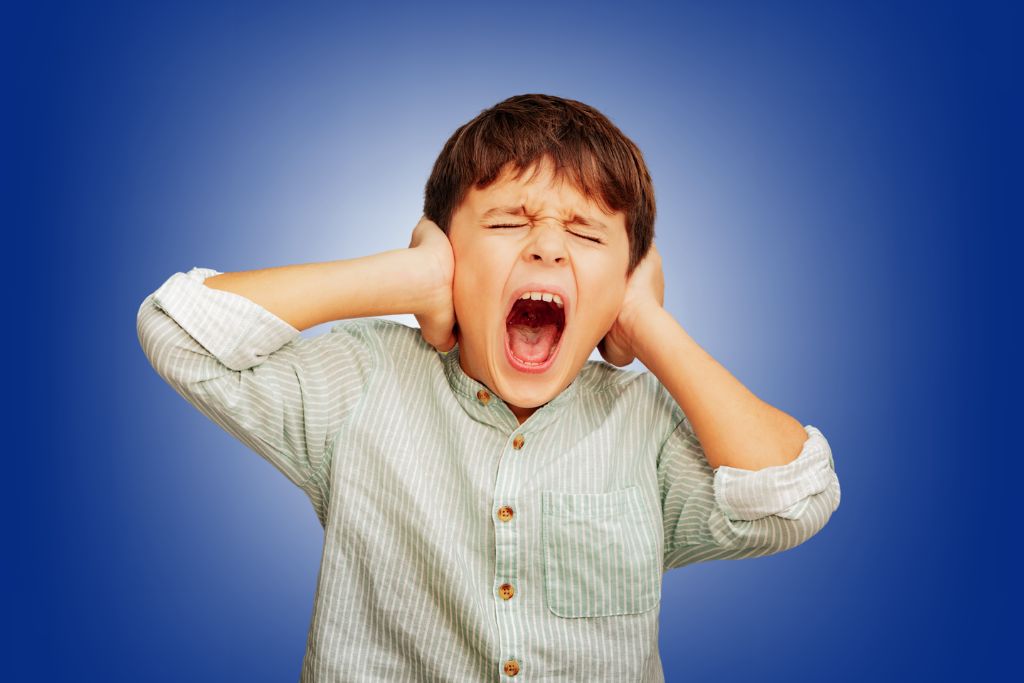
When your child erupts, it can feel like you’re walking on eggshells and failing. You’re not alone. Meltdowns are signs of a dysregulated nervous system, not “bad behavior.” You’ll learn co-regulation basics and how to align with your partner. Understanding the first 60 seconds of a child's meltdown can make all the difference in helping your child return to calm.
When your child erupts over small triggers, it’s not bad parenting, it’s a dysregulated nervous system communicating distress. Meltdowns are a signal, not a character flaw. Understanding the first 60 seconds can make all the difference.
Key Points:
Parent Story: A 9-year-old slams the door after school. Using calm voice, slow breathing, and a hand-on-belly technique, the parent saw a quick reduction in emotional intensity, allowing redirection.
Want to stay calm when your child pushes every button?Become a Dysregulation Insider VIP and get the FREE Regulation Rescue Kit—your step-by-step guide to stop oppositional behaviors without yelling or giving in.
Go to www.drroseann.com/newsletter and grab your kit today.
After-school hours can overwhelm kids due to transitions, fatigue, or sensory input. The nervous system regulation in children is critical during this period.
Strategies to calm:
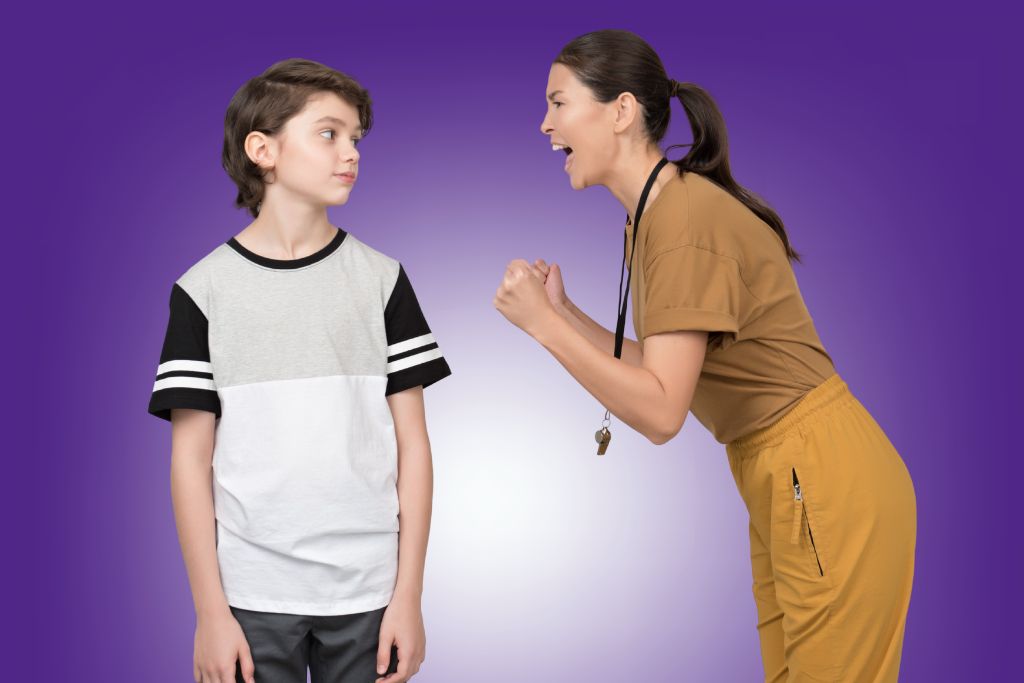
Example: Instead of yelling, say: “I’m calm, you’re safe. Sit with me, let’s breathe together.”
🗣️ “The first step is to put your oxygen mask on first and co-regulate. Don’t go in hot.”
— Dr. Roseann
A repeatable framework for regulating your child’s nervous system:
Tip: Use this protocol for one-offs or chronic dysregulation. Repetition builds lasting regulation.
Consistency matters. When both caregivers understand dysregulation, children feel safer and conflicts decrease.
What helps:
Parent Story: Both parents applied consistent co-regulation. Over time, the child’s outbursts decreased by 50%.
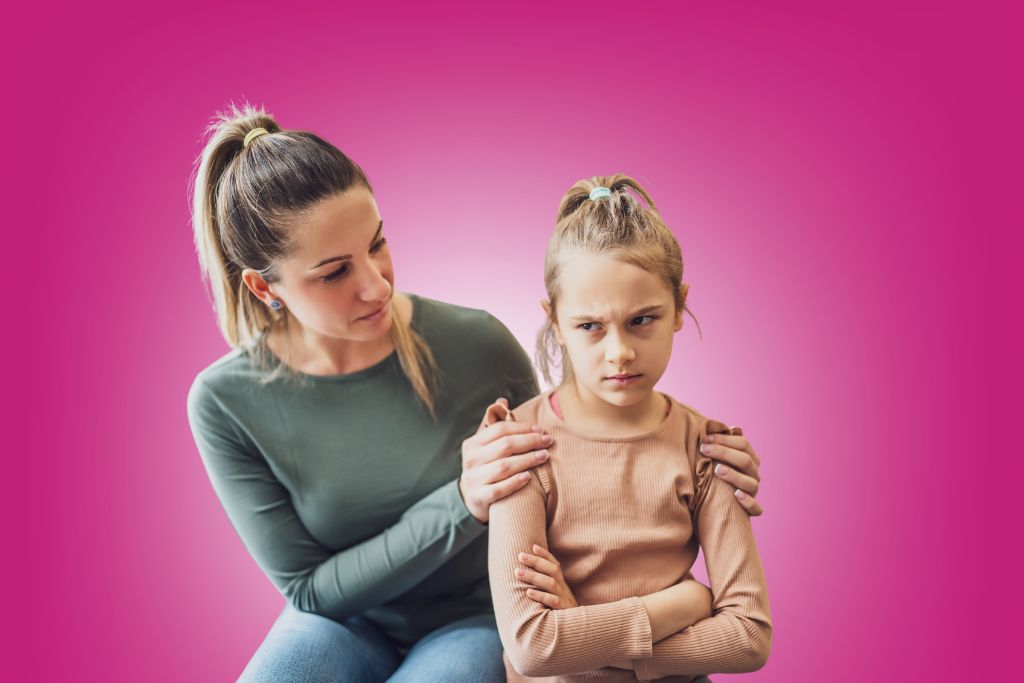
Your nervous system sets the tone. When you regulate, your child mirrors that calm. Co-regulation creates a safe environment where skills can be learned.
Practical Steps:
Anticipation reduces chaos. Planning for moments you know tend to trigger meltdowns helps both parent and child stay regulated.
Strategies to implement:
Parent Story: A family used a visual schedule for after-school routines, including snack, movement, and homework. Predictable steps reduced evening meltdowns by half within a week.
Once strategies are in place, tracking and reinforcing wins helps the brain internalize new regulation patterns.
Steps to reinforce:
Example: After a meltdown over bedtime, a child used deep breathing and a weighted blanket successfully. Parents noted it in a journal and praised the effort, reinforcing future regulation.
Meltdowns aren’t random, they’re a signal from a dysregulated brain. Parenting a dysregulated child requires calm first, then connection, and finally corrective guidance.
Remember: You’re not failing; you’re learning to speak your child’s nervous system language.
Get low, speak softly, and move to a quieter spot. Co-regulate first, teach later.
Often, no. Their nervous system is flooded. Set limits after regulation.
Repair matters. Apologize, model a redo, and reset together.
Feel like you’ve tried everything and still don’t have answers?
The Solution Matcher helps you find the best starting point based on your child’s symptoms, behaviors, and history.
It’s fast, free, and based on decades of clinical expertise.
Get your personalized plan now at www.drroseann.com/help
Dr. Roseann Capanna-Hodge is a licensed therapist, certified school psychologist, and leading expert in emotional dysregulation in children. With over 30 years of experience, she helps parents understand the root causes of meltdowns, anxiety, ADHD, and challenging behavior through the lens of nervous system regulation. Dr. Roseann teaches practical, science-backed strategies for co-regulation and how to calm a dysregulated child using her Regulation First Parenting™ approach. She is the host of the Dysregulated Kids Podcast and author of The Dysregulated Kid.
Dr. Roseann Capanna-Hodge
Emotional Dysregulation in Children & Nervous System Expert
Regulation First Parenting™ | CALMS Protocol™
Host of the Dysregulated Kids Podcast (Top 1% Globally)
Author of The Dysregulated Kid