Find Your Solution
In 3 minutes, you’ll know where to start ➤
%20.png)





Estimated Reading Time: 5 minutes
Watching your child’s behavior suddenly spiral can be terrifying and confusing. You may find yourself wondering if it’s just a phase or if something more serious is going on. Understanding PANS/PANDAS and autoimmune encephalopathy (AE) is crucial—because with the right diagnosis, treatment, and support, you can begin helping your child heal.
In this episode, I break down what parents need to know about diagnosing these conditions, how to spot the signs of sudden behavioral changes, and what steps to take when you suspect something more serious than typical childhood struggles.
PANS (Pediatric Acute-onset Neuropsychiatric Syndrome) and PANDAS (Pediatric Autoimmune Neuropsychiatric Disorders Associated with Streptococcal Infections) can cause dramatic, sudden changes in behavior. It’s important to recognize when your child’s symptoms may go beyond normal growing pains or childhood mood swings.
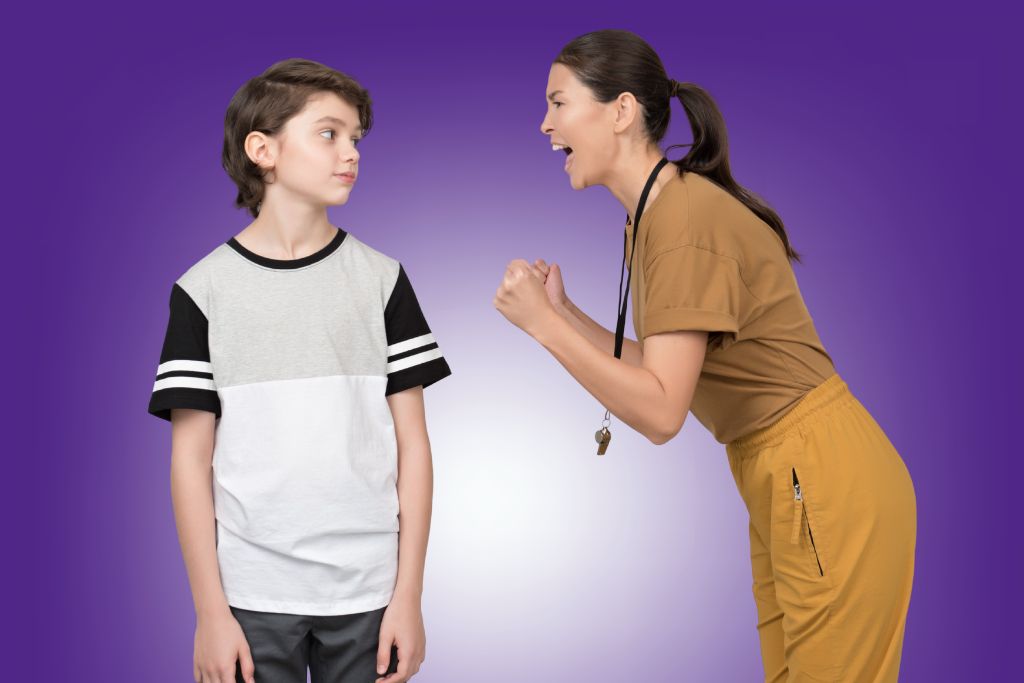
A mom shared that her son, who had been thriving, suddenly began having severe meltdowns and developing intrusive OCD rituals following a strep infection. This dramatic shift in his behavior was the trigger for seeking medical evaluation.
Diagnosing PANS/PANDAS isn’t straightforward. There isn’t a single lab test to confirm these conditions. Instead, diagnosis is based on clinical evaluation, symptom history, and careful observation.
Lab tests alone cannot confirm PANS/PANDAS. Diagnosis is based on observed behavioral patterns and the medical history of infections and immune system response.
While PANS/PANDAS and autoimmune encephalopathy (AE) both involve immune system dysfunction affecting the brain, the conditions differ in their onset, symptoms, and causes.
Both conditions present with behavioral and emotional changes, but AE can have a less defined onset, making it more difficult to diagnose early on.
One parent described a child whose anxiety and aggression fluctuated for weeks before a clear pattern emerged, highlighting the need for professional evaluation to differentiate between PANS/PANDAS and other conditions.
Absolutely. Early identification and intervention are critical for improving recovery outcomes.
The earlier the treatment, the better the results, especially with conditions like PANS/PANDAS, where inflammation in the brain can lead to lasting cognitive, emotional, and behavioral difficulties.
One parent noted that after starting neurofeedback, their child’s emotional outbursts and panic attacks decreased, and their overall mood improved. Early intervention made all the difference.
If you suspect PANS/PANDAS, the first step is to regulate the nervous system. No healing can occur when the brain is stuck in fight, flight, or freeze mode.
Healing is not immediate, but with the right tools and support, you can help your child regain stability.
When your child is dysregulated, it’s easy to feel helpless. The Regulation Rescue Kit gives you the scripts and strategies you need to stay grounded and in control. Become a Dysregulation Insider VIP at www.drroseann.com/newsletter and get your free kit today.
“A sudden onset of a mental health issue is not normal. You have to calm the nervous system so it can heal itself.” — Dr. Roseann
PANS/PANDAS is a complex condition that can wreak havoc on your child’s emotional and cognitive development, but with the right understanding and support, healing is possible.
By calming the nervous system first, regulating the brain, and seeking early, tailored interventions, you can help your child heal and thrive. You are not alone in this journey.
Sudden behavior changes, such as OCD behaviors, aggression, anxiety, sleep problems, and regression in skills, are common signs of PANS/PANDAS.
Yes, PANS can be triggered by infections like Lyme disease, viruses, mold, and toxins—without strep involvement.
With the right interventions, many children show significant improvement, but ongoing support for the brain and nervous system may be necessary for long-term healing.
Yes, cognitive difficulties, including regression in academic skills, memory issues, and focus problems, are common in PANS/PANDAS.
Not necessarily. With the right treatment, many children recover or experience significant improvement, especially when treatment is started early.
Not sure where to start?
Take the guesswork out of helping your child. Use our free Solution Matcher to get a personalized plan based on your child’s unique needs—whether it’s ADHD, anxiety, mood issues, or emotional dysregulation. In just a few minutes, you'll know exactly what support is right for your family.
Start here: www.drroseann.com/help
Dr. Roseann Capanna-Hodge is a licensed therapist, certified school psychologist, and leading expert in emotional dysregulation in children. With over 30 years of experience, she helps parents understand the root causes of meltdowns, anxiety, ADHD, and challenging behavior through the lens of nervous system regulation. Dr. Roseann teaches practical, science-backed strategies for co-regulation and how to calm a dysregulated child using her Regulation First Parenting™ approach. She is the host of the Dysregulated Kids Podcast and author of The Dysregulated Kid.
Dr. Roseann Capanna-Hodge
Emotional Dysregulation in Children & Nervous System Expert
Regulation First Parenting™ | CALMS Protocol™
Host of the Dysregulated Kids Podcast (Top 1% Globally)
Author of The Dysregulated Kid