Find Your Solution
In 3 minutes, you’ll know where to start ➤
%20.png)





If your child is bright and verbal but struggles with math, social interactions, or following routines, you’re not alone. NVLD learning disorder affects how the brain processes visual-spatial information and social cues, which can make everyday tasks feel overwhelming. These challenges often intersect with emotional dysregulation in children and create observable stress at home and school.
NVLD isn’t about intelligence, it’s about how the brain organizes, sequences, and interprets visual and spatial information. A child can articulate a story perfectly yet get lost on multi-step math problems or have difficulty navigating team sports.
Tips for supporting them:
Parent example: A child could explain fractions but froze on word problems. Using lined graph paper, highlighting keywords, and modeling the first problem made a significant difference.
NVLD can be mistaken for ADHD or autism because some symptoms overlap, but the root cause is different. Dysregulated child behaviors are often misread as defiance or inattentiveness.
Differences:
Support strategies:
Children with NVLD often struggle to read tone, facial expressions, or conversational flow. This can make friendships challenging and lead to misunderstandings.
Practical supports:
Support at school is essential. Thoughtful accommodations reduce overwhelm and allow kids to demonstrate their true capabilities.
Effective strategies:
Parent story: A family allowed typed responses and one-step completion for classwork. Compulsive rewriting decreased, and their child’s confidence grew.
At home, focus on regulation and scaffolding skills. Nervous system regulation in children is critical for learning and emotional balance.
Try:
Supporting self-regulation skills for children is key. When parents model calm and provide predictable structure, children’s brains can learn new routines, social cues, and coping strategies more effectively.
Integrating diet, supplementation, and movement can support attention and emotional regulation:
These tools support behavioral dysregulation and strengthen executive functioning.
NVLD learning disorder doesn’t mean your child is failing. By understanding the visual-spatial and social-emotional challenges, combining targeted supports with Regulation First Parenting™, and addressing child behavior problems, you can help your child thrive academically and socially. Behavior is communication; when we calm the brain first, learning and connection follow.
It breaks my heart to see parents spend years blaming themselves for behaviors that were actually screaming signs of nervous system overload.
You were never taught what dysregulation actually is. You were never taught why overwhelmed brains lose access to coping skills, or why punishment only escalates survival responses.
The Dysregulated Kid gives you the missing explanation. More importantly, it gives you the step-by-step tools to help your child regulate in ways that are simple, compassionate, and doable on a busy Tuesday night. This understanding changes the entire atmosphere of a home. Bring that change to your home today. Order now:
.png)
Step-by-step instructions, visual organizers, checks for understanding, structured social skills practice, and targeted math support.
Yes, through explicit teaching, social scripts, and patient coaching. Even one or two supportive friendships can be protective.
Through individual testing (cognitive, academic, neuropsychological) that demonstrates visual-verbal discrepancies and functional impact.
Feel like you’ve tried everything and still don’t have answers?
The Solution Matcher helps you find the best starting point based on your child’s symptoms, behaviors, and history. It’s fast, free, and based on decades of clinical expertise.
Get your personalized plan now at www.drroseann.com/help
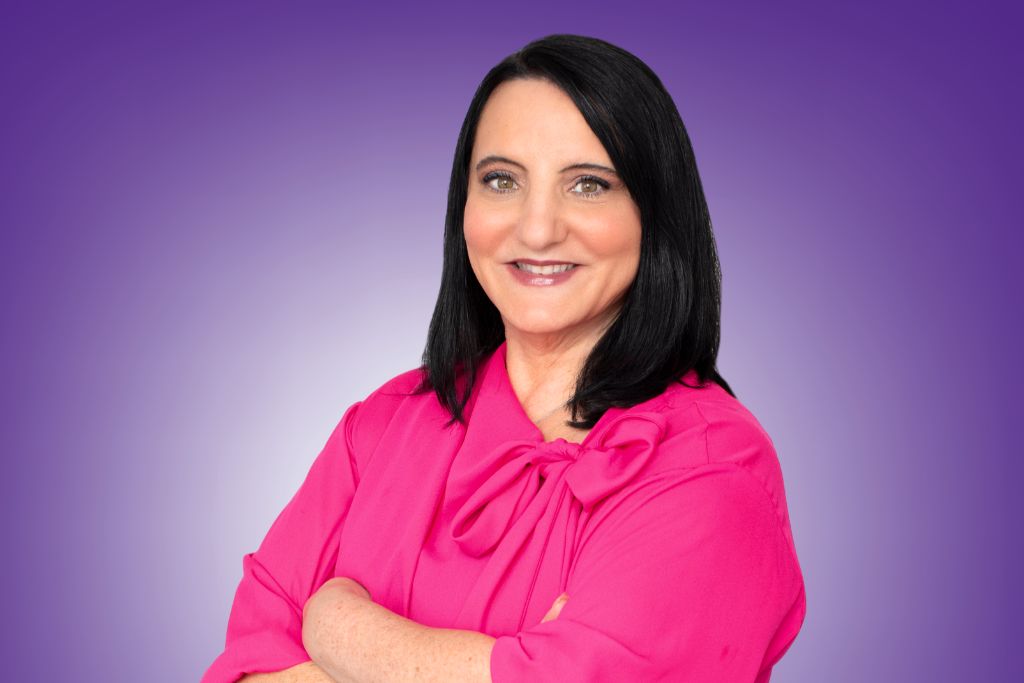
Dr. Roseann Capanna-Hodge is a licensed therapist, certified school psychologist, and leading expert in emotional dysregulation in children. With over 30 years of experience, she helps parents understand the root causes of meltdowns, anxiety, ADHD, and challenging behavior through the lens of nervous system regulation. Dr. Roseann teaches practical, science-backed strategies for co-regulation and how to calm a dysregulated child using her Regulation First Parenting™ approach. She is the host of the Dysregulated Kids Podcast and author of The Dysregulated Kid.
Dr. Roseann Capanna-Hodge
Emotional Dysregulation in Children & Nervous System Expert
Regulation First Parenting™ | CALMS Protocol™
Host of the Dysregulated Kids Podcast (Top 1% Globally)
Author of The Dysregulated Kid