Find Your Solution
In 3 minutes, you’ll know where to start ➤
%20.png)





When your child is melting down, stuck in worry, or bouncing between fight, flight, and freeze, it can feel overwhelming. So many parents think medication is the only path, but this episode explains a safer, science-backed option that supports real, lasting change. Today, Dr. Roseann breaks down how neurofeedback calms the brain, strengthens executive functioning, and helps kids finally learn and behave better.
This isn’t about bad behavior—it’s about a dysregulated brain. And once you understand that, your entire approach shifts.
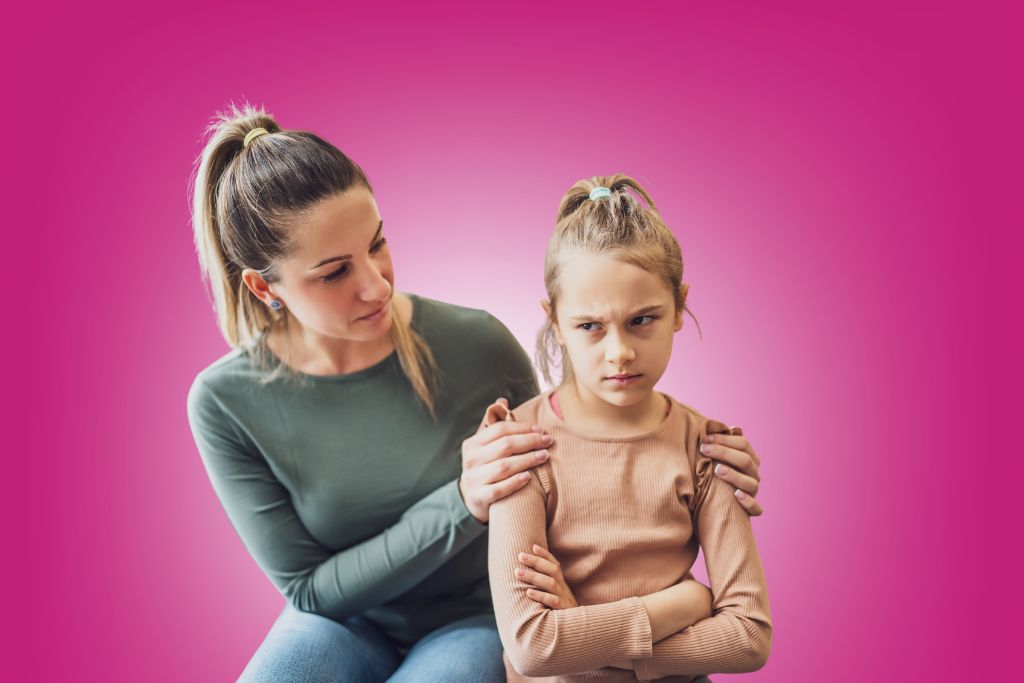
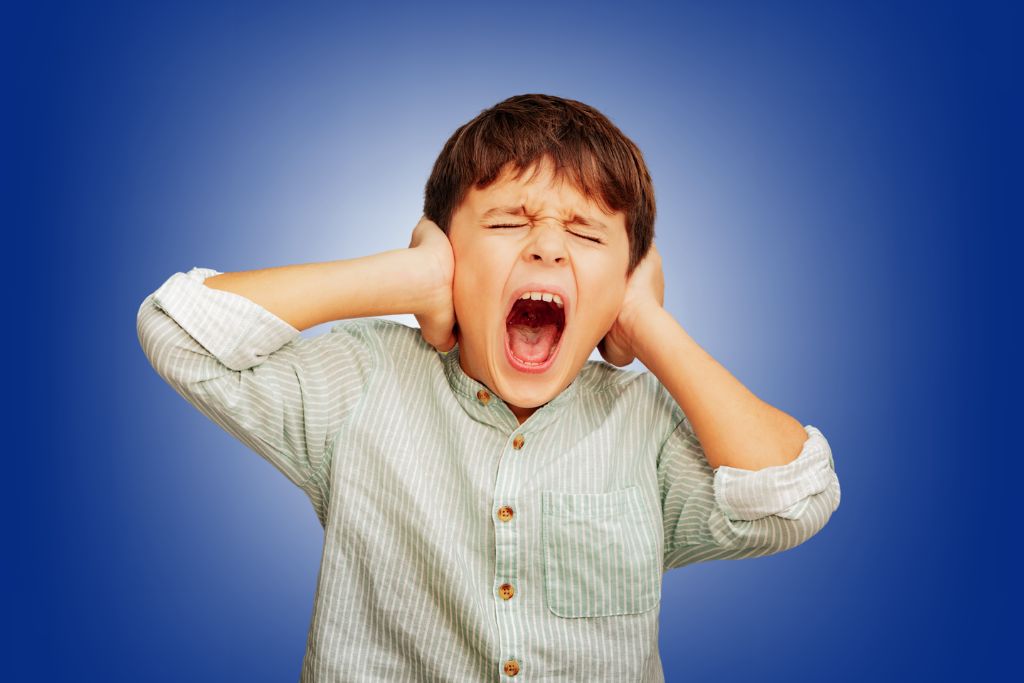
Kids don’t need big trauma to get pushed into a stress-activated state. Everyday pressures like school demands, sibling conflict, or transitions can overload their nervous system. When they’re stuck in this mode, the frontal lobe goes offline, and learning, listening, and behavioral control crumble. I see this every day—kids aren’t “overreacting,” their nervous system is overloaded.
What’s really happening in your child’s brain:
Real-life example: A child may forget their backpack every morning—not because they’re lazy, but because anxiety hijacks attention and memory.
When the brain is dysregulated, even simple tasks can feel impossible.
Neurofeedback trains the brain to move out of chronic stress and into a parasympathetic, calm “hot tub state.” Sensors read brainwaves and give gentle feedback that helps the brain learn healthier patterns.
This is how we train the brain to regulate itself—without medication.
Here’s what actually changes:
No real learning happens when the brain is stuck in survival mode. Stress shuts down executive functioning—the mental skills needed for planning, remembering, organizing, and problem-solving.
Calm the brain first—because a dysregulated brain can’t access logic, language, or learning.
Key takeaways:
Kids with ADHD, anxiety, autism, dyslexia, depression, and OCD feel this shutdown more intensely, making school, chores, and friendships much harder.
Yes—most improvements families see aren’t dramatic moments, but daily life becoming smoother.Neurofeedback helps kids:
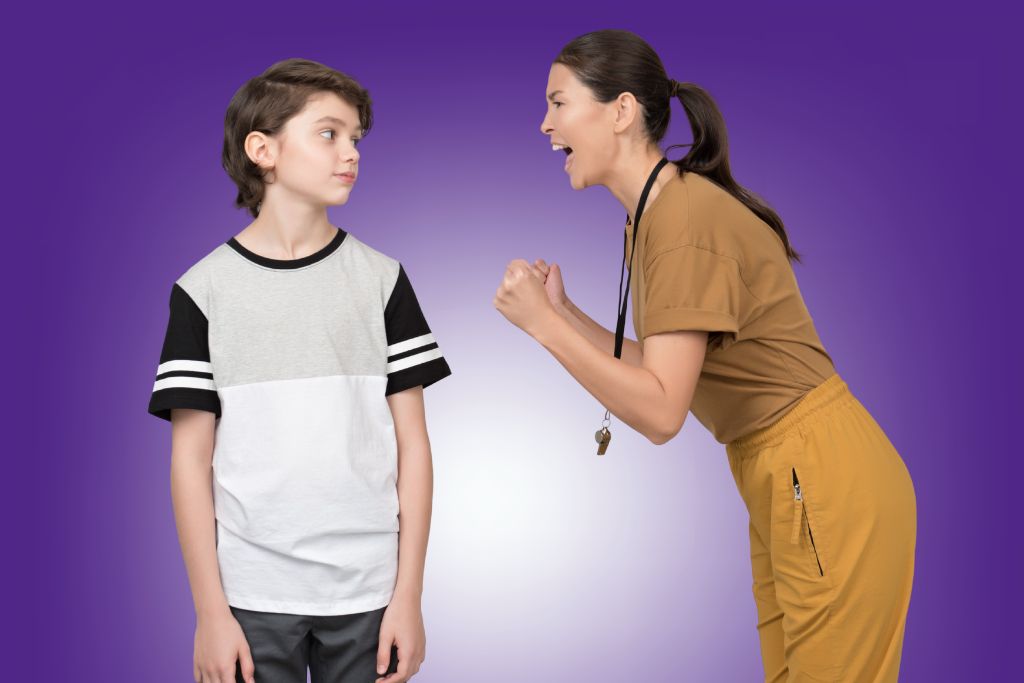
That’s why what looks like defiance is often overwhelm.
Parents often share that their home feels calmer and tasks that used to result in tears now happen with ease.If you’re tired of walking on eggshells or feeling like nothing works…
Get the FREE Regulation Rescue Kit and finally learn what to say and do in the heat of the moment.
Become a Dysregulation Insider VIP at www.drroseann.com/newsletter and take the first step to a calmer home.
What Dr. Roseann Says
🗣️ “When we calm the brain, we open the door for learning, connection, and better behavior.” — Dr. Roseann
Neurofeedback is a gentle, non-medication tool that helps kids learn healthier brain patterns so they can focus, behave, and feel better. When we calm the brain first, learning and emotional regulation naturally improve. This episode gives you real hope and real options.
Because when you regulate first, everything else follows.
Most children can begin around age four, as long as they can sit comfortably and follow simple directions.
The brain often maintains its new patterns for years, especially when paired with healthy routines.
Yes. By calming overactive brainwaves, kids feel more relaxed and less reactive.
Yes. Strengthening the frontal lobe helps with planning, flexibility, attention, and follow-through.
It’s non-invasive, medication-free, and research-backed with decades of clinical use.Next Step: Every child’s journey is different. That’s why cookie-cutter solutions don’t work.
Take the free Solution Matcher Quiz and get a customized path to support your child’s emotional and behavioral needs—no guessing, no fluff.
Start today at www.drroseann.com/help
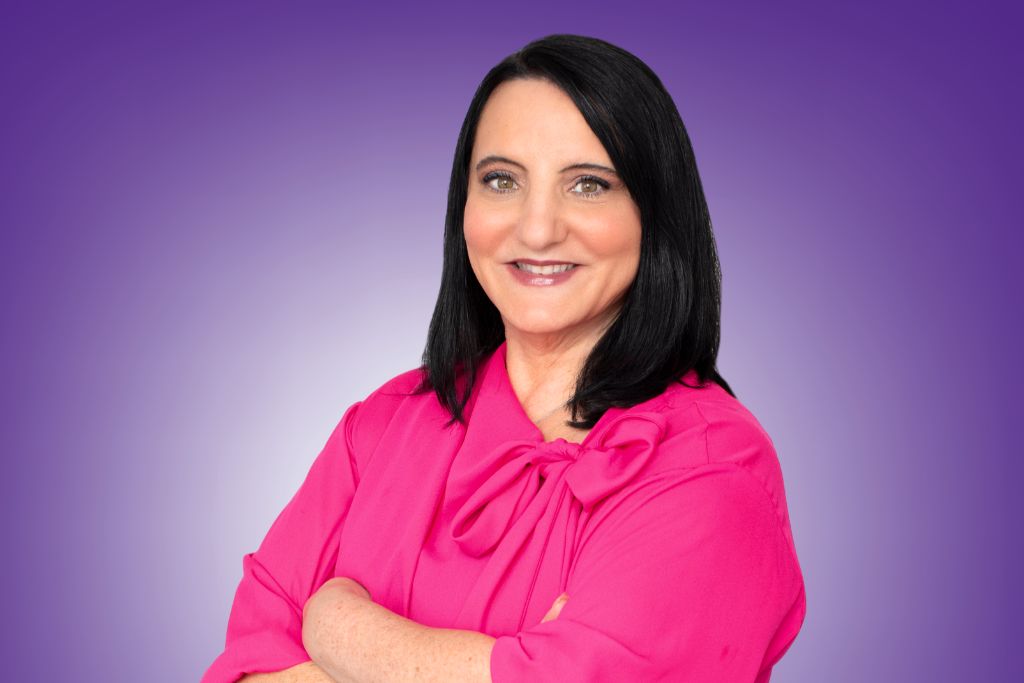
Dr. Roseann Capanna-Hodge is a licensed therapist, certified school psychologist, and leading expert in emotional dysregulation in children. With over 30 years of experience, she helps parents understand the root causes of meltdowns, anxiety, ADHD, and challenging behavior through the lens of nervous system regulation. Dr. Roseann teaches practical, science-backed strategies for co-regulation and how to calm a dysregulated child using her Regulation First Parenting™ approach. She is the host of the Dysregulated Kids Podcast and author of The Dysregulated Kid.
Dr. Roseann Capanna-Hodge
Emotional Dysregulation in Children & Nervous System Expert
Regulation First Parenting™ | CALMS Protocol™
Host of the Dysregulated Kids Podcast (Top 1% Globally)
Author of The Dysregulated Kid