Find Your Solution
In 3 minutes, you’ll know where to start ➤
%20.png)





Estimated Reading Time: 5 minutes
Parenting a dysregulated child can feel overwhelming when the meltdowns, mood swings, and emotional outbursts keep coming. If you’ve wondered whether something deeper is driving those behaviors, understanding the gut-brain connection may provide the answers you've been searching for. In this episode, Dr. Aaron Hartman and I break down how healing the gut can calm the brain and improve emotional and behavioral symptoms in kids with ADHD, autism, anxiety, OCD, and PANS/PANDAS.
Most parents expect gut problems to look like stomach aches or constipation. But the gut-brain connection means the gut microbiome influences everything from mood to focus. As Dr. Hartman shares, 70% of the immune system surrounds the gut, and it produces many of the neurotransmitters responsible for calm, focus, and emotional balance.
Key takeaways:
When we view behavior through a nervous system lens, it becomes easier to understand why physical health issues can drive emotional and behavioral challenges.
Yes, and it is far more common than most parents realize. Brain mapping frequently shows inflammation in kids with long-standing emotional or behavioral struggles. Endotoxins from the gut can travel through the bloodstream, stressing the liver and activating the brain’s microglia, which are the immune cells responsible for protecting the brain.
What helps:
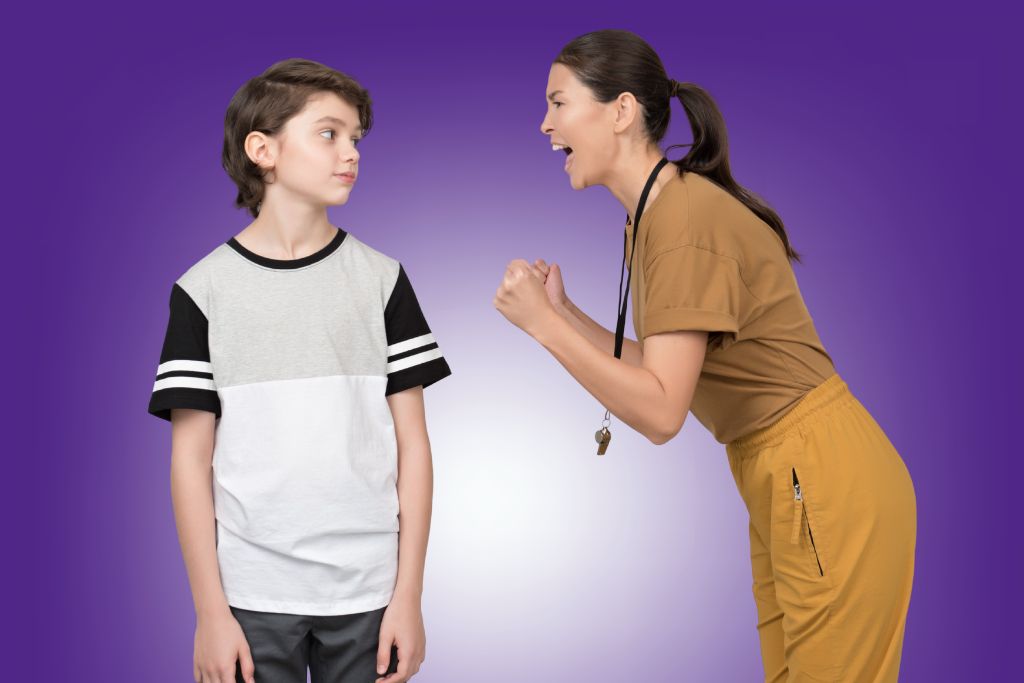
Parent scenario: Your child becomes more easily frustrated, foggy, or aggressive after eating certain foods. That is not misbehavior. It is often dysregulation driven by inflammation and nervous system stress.
For many families, what looks like angry child behavior may actually be a brain and body signaling distress.
Leaky gut is real, measurable, and increasingly common in young kids. Signs often appear early, but parents may not connect them to the gut.
Common early signs:
The gut-brain connection means that symptoms do not always show up where you expect. Sometimes the first sign of a gut issue is emotional dysregulation, anxiety, or difficulty coping with everyday stressors.
You don’t have to figure this out alone.
Become a Dysregulation Insider VIP and get your FREE Regulation Rescue Kit, your step-by-step guide to stop oppositional behaviors without yelling or giving in. Get instant access at www.drroseann.com/newsletter.
Gut repair is not about perfection. It is about steady, doable changes that support the microbiome and calm inflammation over time. Dr. Hartman recommends rebuilding mineral stores and adding fermented foods when tolerated.
Simple ways to start:
These simple steps can support a nervous system reset for children by reducing inflammation and creating the conditions the brain needs to function at its best.
🗣️ “When we support the gut microbiome, we support the whole child, physically, emotionally, and neurologically.” — Dr. Roseann
The gut-brain connection is one of the most important factors in understanding child behavior, emotional regulation, and brain health. By supporting the microbiome and calming the nervous system, you give your child's brain what it needs to learn, focus, and cope with stress.
Whether you're dealing with child aggression, angry child behavior, anxiety, or behavioral dysregulation, remember that behavior is communication. When we calm the brain first and address root causes, lasting change becomes possible.
You are not alone. There are solutions, and healing starts with understanding what your child's nervous system is trying to tell you.
“I’ve tried everything and nothing works.” I hear this every single day. Dysregulated kids need regulation first, not behavior correction. Discover the missing piece in The Dysregulated Kid. Order now.
.png)
Yes. Gut-driven inflammation activates the brain’s immune system, which can lead to irritability, anxiety, inattention, mood swings, and behavioral dysregulation.
Often. Food aversions and narrowing diets can signal microbial imbalance or inflammation affecting appetite, digestion, and sensory responses.
Many families notice subtle improvements within a few weeks as inflammation decreases and the body begins a nervous system reset for children. Consistency is key, and every child responds differently.
Every child’s journey is different. That’s why cookie-cutter solutions don’t work.Take the free Solution Matcher Quiz and get a customized path to support your child’s emotional and behavioral needs—no guessing, no fluff.
Start today at www.drroseann.com/help
Dr. Roseann Capanna-Hodge is a licensed therapist, certified school psychologist, and leading expert in emotional dysregulation in children. With over 30 years of experience, she helps parents understand the root causes of meltdowns, anxiety, ADHD, and challenging behavior through the lens of nervous system regulation. Dr. Roseann teaches practical, science-backed strategies for co-regulation and how to calm a dysregulated child using her Regulation First Parenting™ approach. She is the host of the Dysregulated Kids Podcast and author of The Dysregulated Kid.
Dr. Roseann Capanna-Hodge
Emotional Dysregulation in Children & Nervous System Expert
Regulation First Parenting™ | CALMS Protocol™
Host of the Dysregulated Kids Podcast (Top 1% Globally)
Author of The Dysregulated Kid