Logo

Find Your Solution

In 3 minutes, you’ll know where to start ➤

Join the Dysregulation Insider get free calm parenting tips straight to your inbox!

YES, I'M IN!

EP 6: What is a QEEG Brain Map?

January 26, 2023
Discover what a QEEG Brain Map reveals about your child’s mood, behavior, and focus—and how neurofeedback uses this data to calm a dysregulated brain. Guided by Dr. Roseann Capanna-Hodge, expert in Regulation First Parenting™ and emotional dysregulation.
parent-child communication - available on apple podcastsCastbox logo, featuring a sleek and modern design with the name 'Castbox' in bold lettering, representing the popular podcast platform known for streaming and discovering podcasts.Spotify logo featuring a green circle with three curved black lines representing sound waves, symbolizing the popular music and podcast streaming platform.Amazon Music logo featuring the word 'Amazon' with the signature smile arrow and 'Music' in bold text, representing the digital music streaming service by Amazon.
<iframe style="border-radius: 12px;" src="https://open.spotify.com/embed/episode/7k63aVVoZfHfWlv3b047jQ?utm_source=generator&amp;theme=0" width="100%" height="152" frameborder="0" allowfullscreen="allowfullscreen"></iframe>

Estimated Reading Time: 5 minutes

Why parents of dysregulated kids need real brain data

If your child’s behavior feels unpredictable, confusing, or out of control, you’re not alone. So many parents are told their child’s struggles are “just behavioral” when in reality the brain is simply overwhelmed. This episode breaks down why a QEEG Brain Map is the most important tool to understand what is really going on inside your child’s brain and how it guides effective treatment like neurofeedback. You will learn what a QEEG measures, how it helps us stop guessing, and why brain-based care leads to real change.

What is a QEEG Brain Map and why does it matter for my child’s behavior?

A QEEG is a painless measurement of the brain’s electrical activity. It shows what areas are overstimulated, underworking, or struggling to communicate. For dysregulated kids, that data explains mood swings, anxiety, irritability, impulsivity, and sensory overload.A QEEG helps parents see:

  • Where the brain is stuck in stress patterns
  • How emotional centers like the limbic system are functioning
  • If the frontal lobe is overworking or underworking
  • Whether processing speed is inefficient

Imagine finally seeing why your child melts down over small things or cannot settle after school. That clarity is powerful.

How does a QEEG show what parts of my child’s brain are struggling?

The map visually compares your child’s brain activity to a large database of same age and gender peers. This helps us identify what is typical and what is dysregulated.A QEEG can reveal:

  • Overactivation in emotional regions that may look like anxiety or irritability
  • Underactivation in attention centers that mimic ADHD
  • Processing imbalances between the right and left hemispheres
  • Sensory hotspots that explain overwhelm

Parents often say, “This finally makes everything make sense.”

How does the brain talk to itself and why does it affect my child’s behavior?

Communication between brain regions matters just as much as the regions themselves. Think of it like traffic on a highway. If signals move too slowly or too chaotically, your child’s behavior will show it.A QEEG lets us see:

  • Where information flow is disrupted
  • Whether one hemisphere is overprocessing
  • If the brain’s communication speed is inefficient

For example, a child who takes forever to shift tasks may simply have a slow processing pathway, not a motivation problem.

How does neurofeedback use QEEG data to help my child?

Neurofeedback trains the brain to become more efficient. It uses QEEG data to design a targeted protocol based on your child’s unique patterns.This leads to improvements in:

And yes, neurofeedback also helps kids without a diagnosis. Every brain can get more efficient.If you’re tired of walking on eggshells or feeling like nothing works… Get the FREE Regulation Rescue Kit and finally learn what to say and do in the heat of the moment. Become a Dysregulation Insider VIP at www.drroseann.com/newsletter and take the first step to a calmer home.

What does a QEEG tell us about conditions like PANS and PANDAS?

Kids with autoimmune neuropsychiatric issues often have very specific brain wave patterns. High Delta activity can signal inflammation in certain areas. But interpretation matters.A skilled clinician reads the QEEG, considers symptoms, and puts the pieces together. It is never just data. It is data plus expertise.

Why do parents say QEEG guided neurofeedback is a game changer?

Because instead of guessing, we finally know what is happening in the brain.A QEEG is:

  • A clear roadmap for treatment
  • A visual explanation for behaviors
  • A data point that guides real change
  • Reassurance that it’s not bad parenting but a dysregulated brain

Parents often tear up when they see their child’s map because it gives them permission to stop blaming themselves.🗣️ “We have to stop guessing. A QEEG gives us the data point we need to get to the root of the problem.” — Dr. Roseann

Summary

A QEEG Brain Map shows what is happening in your child’s brain in a way that behavior alone never could. When we calm the brain first and use data to guide treatment, kids improve faster and more deeply. You are not alone and it really is going to be OK.For more support, check out our blogs and podcast episodes on neurofeedback and brain based care.

FAQ

What does a QEEG feel like for kids?

It is painless, quiet, and non invasive. Most kids say it feels like getting their picture taken.

Can a QEEG diagnose ADHD?

It does not diagnose, but it shows brain patterns associated with attention issues which helps guide treatment.

How long does a QEEG take?

Most brain maps take 20 to 30 minutes depending on the child.

Will a QEEG help with emotional dysregulation?

Yes, it shows the root causes of overwhelm, anxiety, and irritability so we can support the right brain regions.

Who should interpret a QEEG?

A highly skilled clinician with experience in reading maps and designing neurofeedback protocols.When your child is struggling, time matters.Don’t wait and wonder. Use the free Solution Matcher to get clear next steps based on your child’s brain and behavior patterns.Take the quiz at www.drroseann.com/help

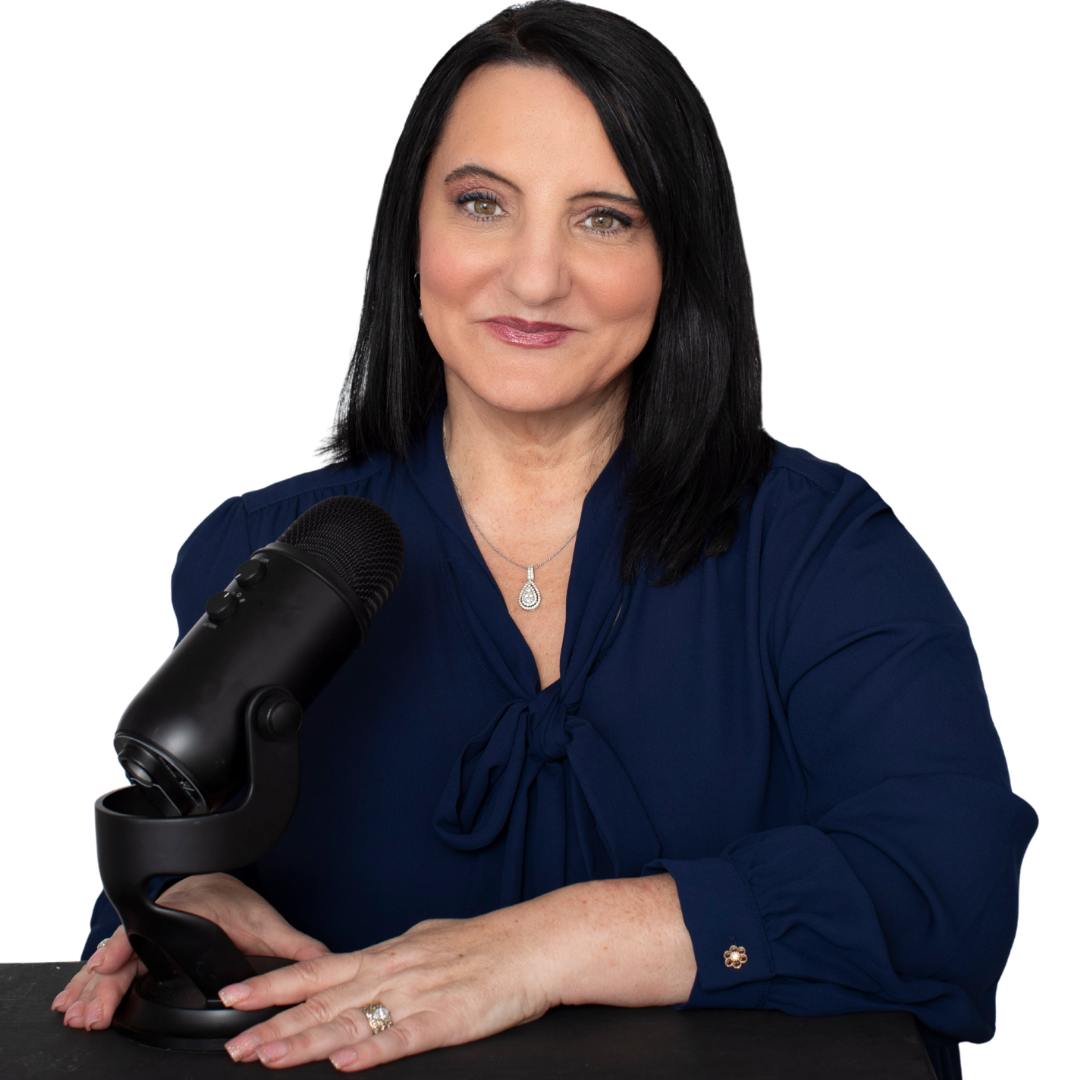
Find this helpful? Leave us a review!

If you found yourself nodding along while listening, take a moment to follow and leave a quick review on Apple Podcasts.
Your feedback helps more overwhelmed parents find calm, clarity, and the proven tools that make everyday life easier.

Dr. Roseann Capanna-Hodge: Revolutionizing Children’s Mental Health

Dr. Roseann Capanna-Hodge’s podcast, It’s Gonna be OK!™: Science-Backed Solutions for Children’s Behavior and Mental Health, is in the top 2% globally. The podcast empowers parents with natural, science-backed solutions to improve children’s self-regulation and calm their brains. Each episode delivers expert advice and practical strategies, making it indispensable for parents of neurodivergent children or those with behavioral or mental health challenges.

Dr. Roseann, founder of The Global Institute of Children’s Mental Health and Dr. Roseann, LLC, created the Neurotastic™ Brain Formulas and BrainBehaviorReset® method. With her extensive experience, she provides families with hope and effective strategies to manage conditions like ADHD, anxiety, OCD, and PANS/PANDAS.

Forbes has called her “A thought leader in children’s mental health,” highlighting her revolutionary impact on mental health education and treatment. Through her podcast and innovative methods, Dr. Roseann continues to transform how we approach, treat and understand children’s mental health.
Website-Photos-Update-2

More Podcast Episodes: