Find Your Solution
In 3 minutes, you’ll know where to start ➤
%20.png)





Estimated Reading Time: 5 minutes
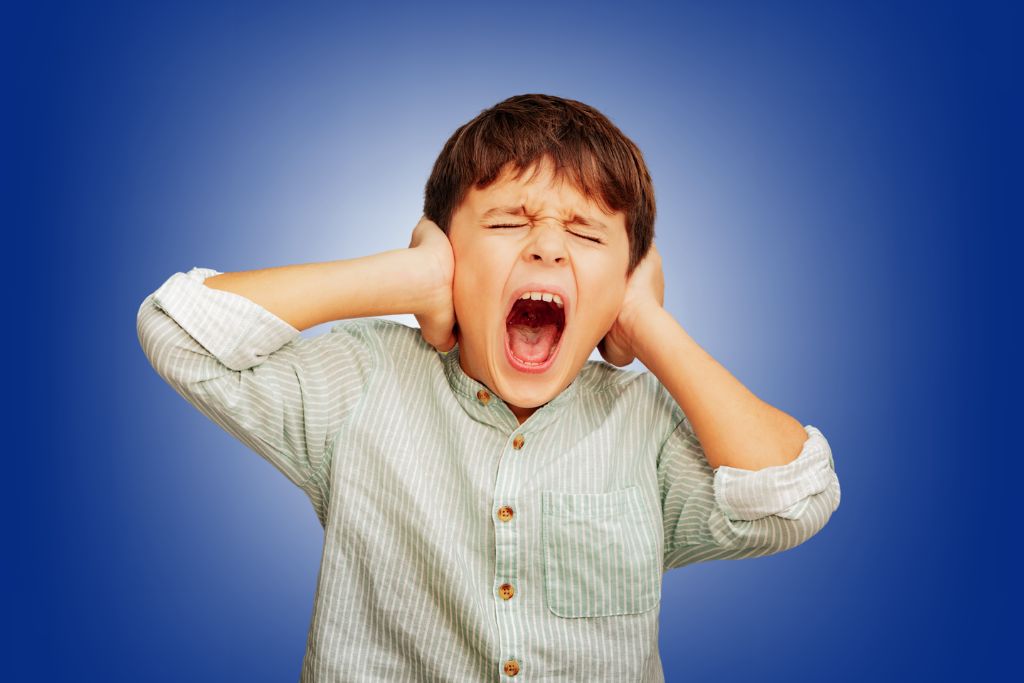
When you have a child who goes from zero to one hundred in seconds, it can feel like you’re living in a constant state of walking on eggshells. Emotional reactivity isn’t just “big feelings.” It is the nervous system calling for help. In this episode, I unpack why kids get stuck in these reactive loops and how neurofeedback helps calm their brain so they can think, listen, and regulate.
You’ll learn why behavior is communication, how dysregulation impacts learning and attention, and the powerful role brain-based tools play in helping kids feel safe in their bodies again.
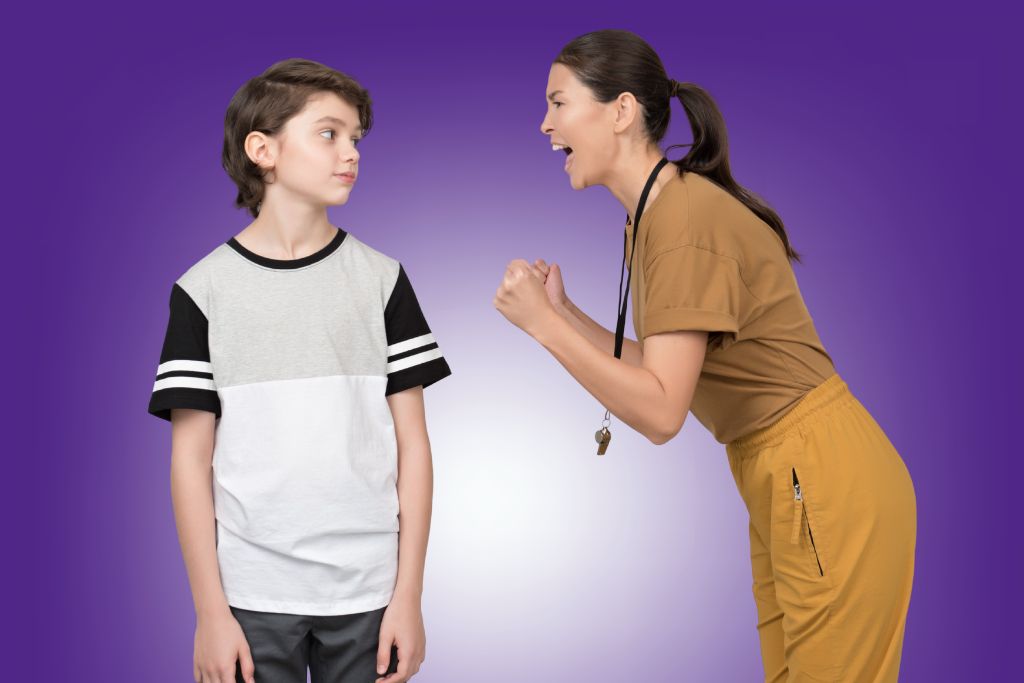
Emotional reactivity is often a sign of a dysregulated nervous system. When a child is overwhelmed, their brain shifts into a fight, flight, or freeze response and stays there. That means even a simple request like “put on your shoes” can feel threatening.
Kids with an over-responsive nervous system may have:
A parent recently shared that her son would scream and throw his backpack daily after school. Once she understood he wasn’t being defiant but dysregulated, she approached him with more calm and connection. That shift alone softened his reactivity.
Behavior is communication, and once we understand the message, we can support the brain.
When the nervous system is in a hyper-activated state, the brain struggles to prioritize information. Kids can appear unfocused, spacey, oppositional, or impulsive not because they choose to be, but because their brain is working overtime just to manage stress.
This state disrupts:
Key takeaway:
Let’s calm the brain first. A regulated child can pay attention, learn, and problem-solve more effectively.
Yes. Neurofeedback trains the brain to move out of that over-reactive state and into healthier, more efficient patterns. Dr. Roseann emphasizes that this tool is especially powerful for long-standing issues that haven’t improved with traditional strategies.
Here’s how it works:
One teen who came in with an ADHD diagnosis was later found through brain mapping to have OCD. With a customized protocol, his emotional reactivity dropped quickly, and his focus improved along with it.
It’s not bad parenting. It’s a dysregulated brain.
You don’t have to figure this out alone. Become a Dysregulation Insider VIP and get your FREE Regulation Rescue Kit: How to Stay Calm When Your Child Pushes Your Buttons and Stop Oppositional Behaviors. Head to www.drroseann.com/newsletter and start your calm parenting journey today.
🗣️ “When kids are in a highly reactive state, they literally can’t hear or process information. We have to calm the nervous system before anything else.”
— Dr. Roseann
Emotional reactivity can feel scary, unpredictable, and draining, but there are real, science-backed solutions. Neurofeedback offers a gentle yet powerful way to support your child’s brain so they can regulate, focus, and connect more easily. It’s gonna be OK, and you have tools that truly help.
Often an over-responsive nervous system overwhelmed by stress or sensory input.
Yes, because regulation supports focus, processing, and executive functioning.
Most children benefit from about 40 sessions over several months.
Oppositional behavior is often dysregulation, not defiance.
A QEEG helps identify the exact areas of dysregulation so treatment is targeted.
Next Step: When your child is struggling, time matters.
Don’t wait and wonder. Use the Solution Matcher to get clear next steps based on your child’s brain and behavior.
Take the quiz at www.drroseann.com/help
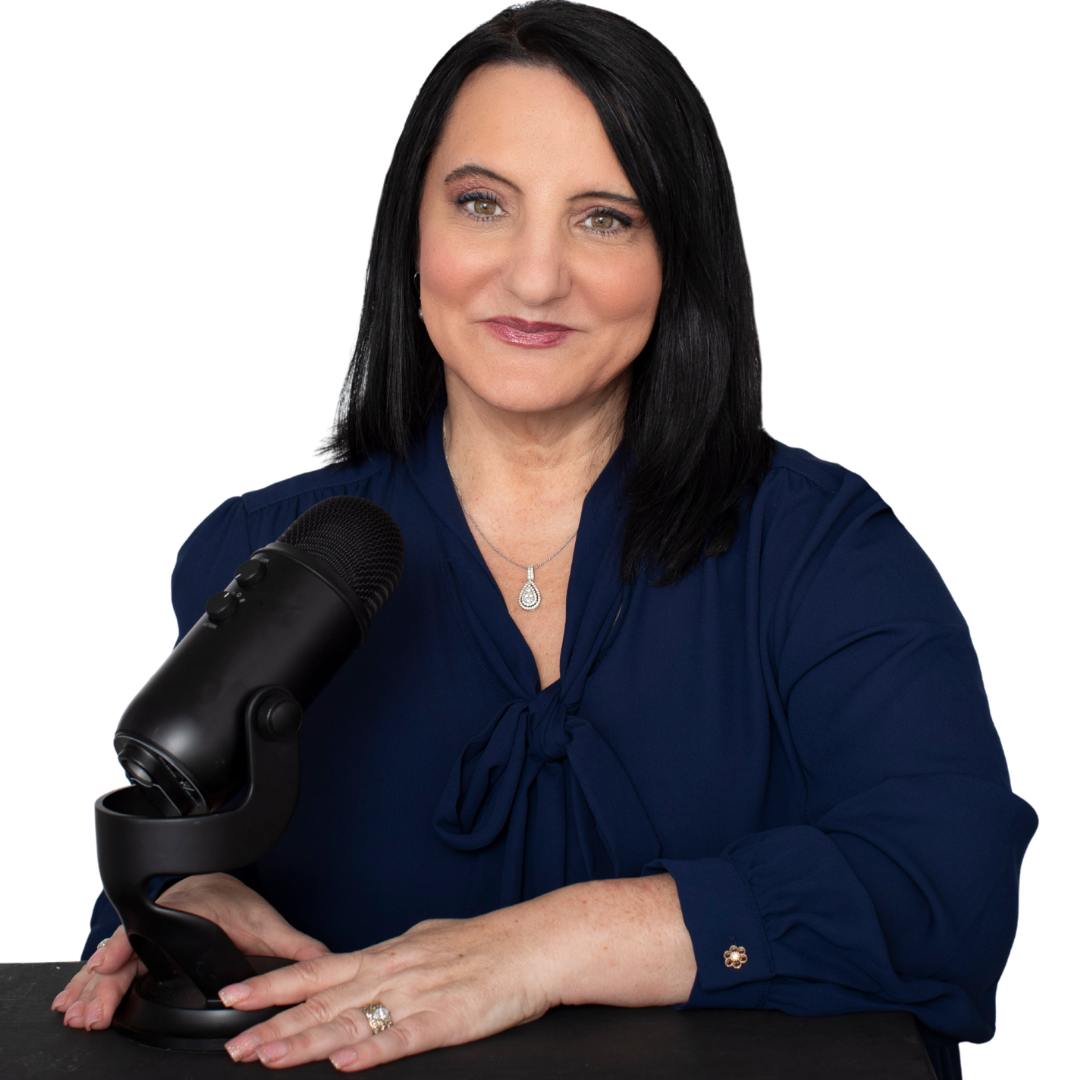
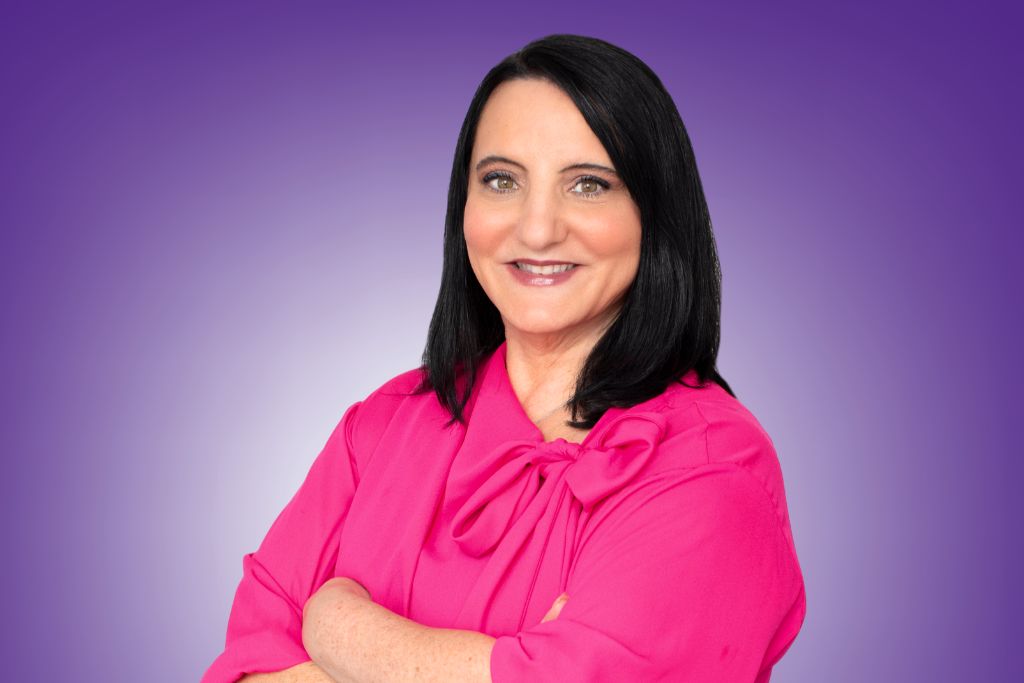
Dr. Roseann Capanna-Hodge is a licensed therapist, certified school psychologist, and leading expert in emotional dysregulation in children. With over 30 years of experience, she helps parents understand the root causes of meltdowns, anxiety, ADHD, and challenging behavior through the lens of nervous system regulation. Dr. Roseann teaches practical, science-backed strategies for co-regulation and how to calm a dysregulated child using her Regulation First Parenting™ approach. She is the host of the Dysregulated Kids Podcast and author of The Dysregulated Kid.
Dr. Roseann Capanna-Hodge
Emotional Dysregulation in Children & Nervous System Expert
Regulation First Parenting™ | CALMS Protocol™
Host of the Dysregulated Kids Podcast (Top 1% Globally)
Author of The Dysregulated Kid