Find Your Solution
In 3 minutes, you’ll know where to start ➤
%20.png)





Kids today seem sharper, quicker to snap, and harder to parent—and it’s leaving many families exhausted. In this episode, we explore The Disrespect Epidemic: Why Kids Are Ruder Than Ever and What to Do with Dr. Roseann Capanna-Hodge, founder of Regulation First Parenting™, who reveals how emotional dysregulation—not bad parenting—drives today’s behaviors and how calming the brain restores respect.
If you feel like your child’s eye rolling, snapping, or sharp tone has gotten worse, you’re not imagining it—and you’re not failing. Many parents are quietly wondering why parenting feels harder than ever, even when they’re doing all the “right” things.
In this episode, we unpack why kids are ruder than ever and what to do, revealing why disrespectful behavior has skyrocketed and why it’s really a sign of nervous system overload—not bad manners. You’ll learn what’s driving today’s explosive reactions and how calming the brain first can restore connection, respect, and peace at home.
Many parents worry their child’s disrespectful behavior means bad manners or poor values. But it’s not disrespect—it’s dysregulation.
Children today are overstimulated, under-rested, and under constant pressure. When the nervous system is overwhelmed, skills like empathy, patience, and respectful tone go offline.
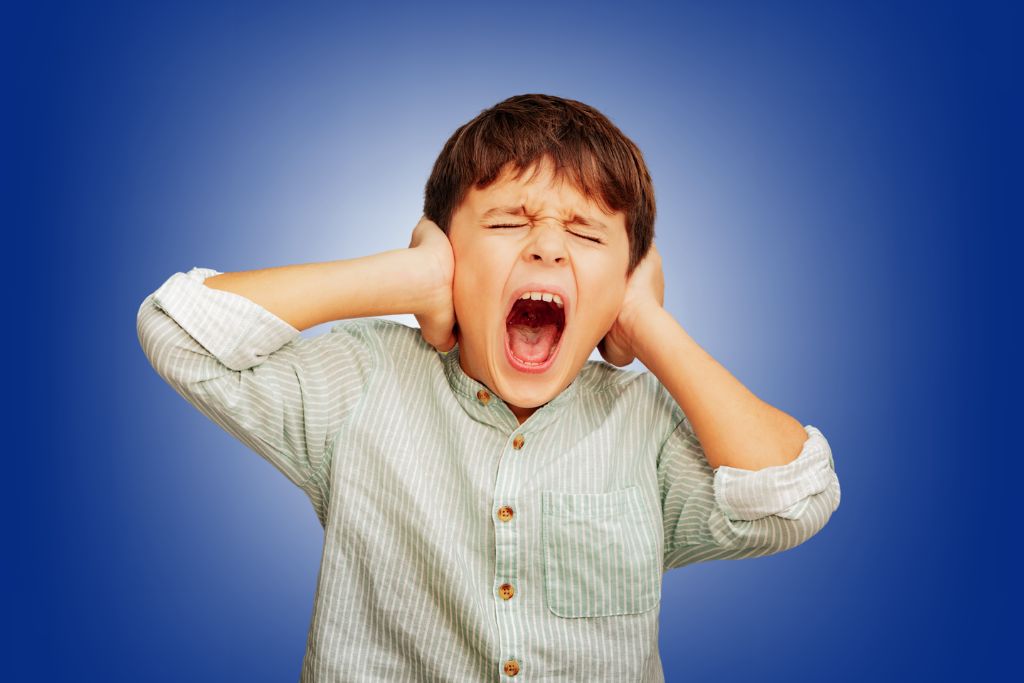
What looks like rude behavior is really a stress response. Kids don’t wake up wanting to talk back or roll their eyes—their brains are stuck in survival mode.
Takeaways:
Example: A 12-year-old snaps “Leave me alone!” when asked about homework. It’s not attitude—it’s emotional overload.
Children today aren’t worse—they’re more dysregulated. Screens, constant noise, fast schedules, and emotional burnout leave little recovery time. Many young people hold it together at school, then explode at home where they feel safest.
This is why disrespectful kids often save their worst behavior for parents and family members.
Takeaways:
️ “Kids don’t want to be disrespectful. It becomes the only thing their brain can do when they’re overloaded.” — Dr. Roseann
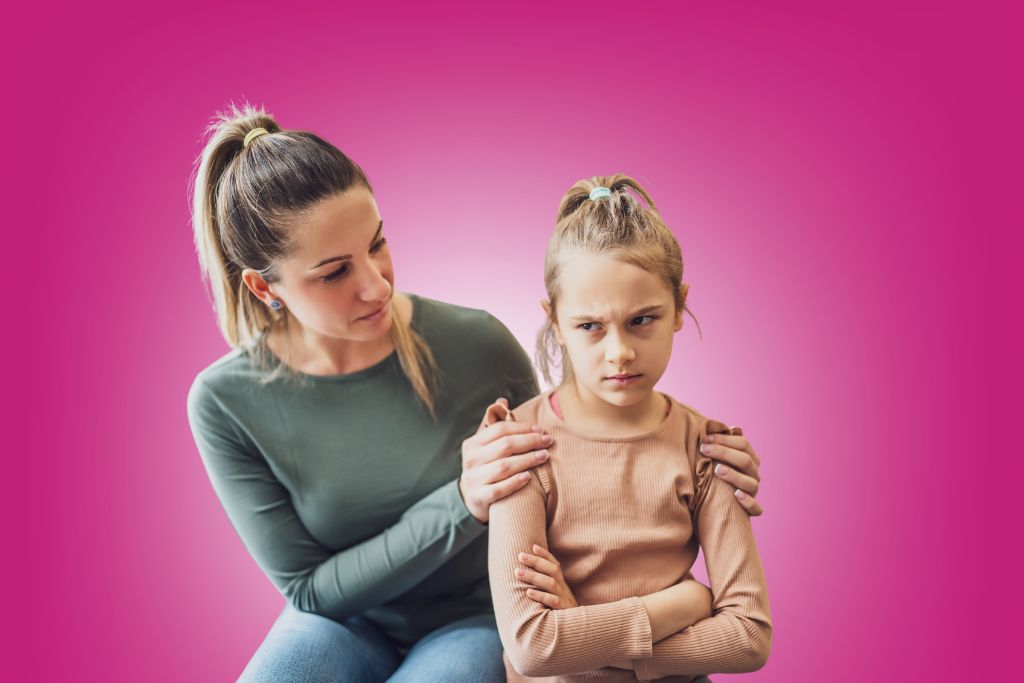
When a child’s nervous system is in fight, flight, or freeze, the prefrontal cortex—the brain’s job manager—goes offline. You can’t reason, lecture, or punish your way through dysregulation.
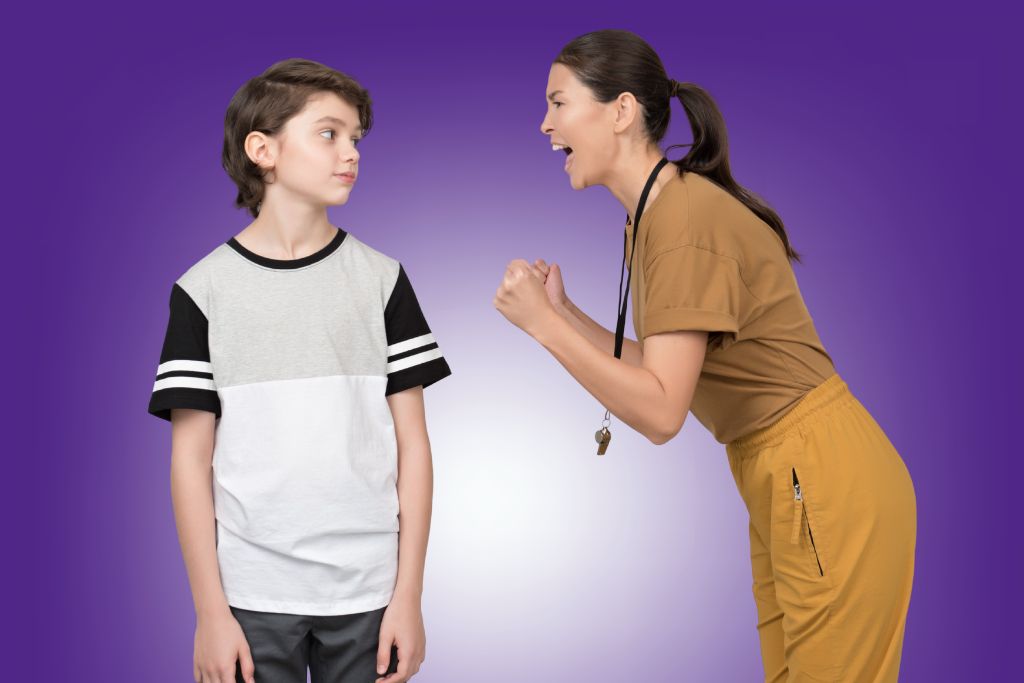
Matching their intensity only fuels a power struggle.
What helps instead:
Example: Instead of “Don’t talk to me like that,” try, “You sound overwhelmed. Let’s pause.”
Yelling less and staying calm isn’t about being perfect—it’s about having the right tools.
Join the Dysregulation Insider VIP list and get your FREE Regulation Rescue Kit, designed to help you handle oppositional behaviors without losing it.
Download it now at www.drroseann.com/newsletter
You can’t demand regulation—you have to practice it. Teaching respect starts when kids are calm, not mid-meltdown. Scripts, cues, and predictable routines build safety and better behavior over time.
Steps forward:
It’s not bad parenting—it’s a dysregulated brain. Let’s calm the brain first.
If you need fast support during heated moments, tools like Quick CALM help reset the nervous system in minutes so kids can respond instead of react.
You’re not alone—and it’s gonna be OK. Disrespectful behavior doesn’t mean you’ve lost your child or your authority. When you focus on regulation first, connection and respectful behavior follow. There’s always a way forward.
Kids often unload where they feel safest. Home is where dysregulation spills out after holding it together all day.
Yes—but only after regulation. Calm brains learn; dysregulated brains resist.
It’s common today, but it’s a sign of overload, not character flaws.
Step out of the moment, lower your tone, and co-regulate before correcting.
Absolutely. Regulation builds the foundation for respect.
Not sure where to start?
Take the guesswork out of helping your child.
Use our free Solution Matcher to get a personalized plan based on your child’s unique needs—whether it’s ADHD, anxiety, mood issues, or emotional dysregulation.
In just a few minutes, you'll know exactly what support is right for your family.
Start here: www.drroseann.com/help
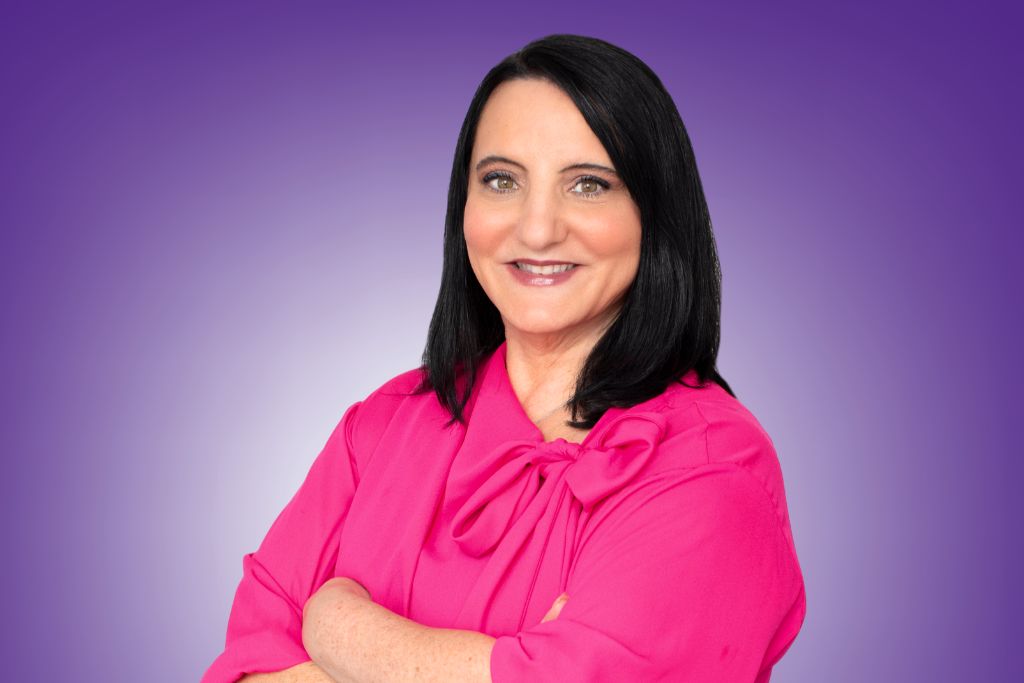
Dr. Roseann Capanna-Hodge is a licensed therapist, certified school psychologist, and leading expert in emotional dysregulation in children. With over 30 years of experience, she helps parents understand the root causes of meltdowns, anxiety, ADHD, and challenging behavior through the lens of nervous system regulation. Dr. Roseann teaches practical, science-backed strategies for co-regulation and how to calm a dysregulated child using her Regulation First Parenting™ approach. She is the host of the Dysregulated Kids Podcast and author of The Dysregulated Kid.
Dr. Roseann Capanna-Hodge
Emotional Dysregulation in Children & Nervous System Expert
Regulation First Parenting™ | CALMS Protocol™
Host of the Dysregulated Kids Podcast (Top 1% Globally)
Author of The Dysregulated Kid